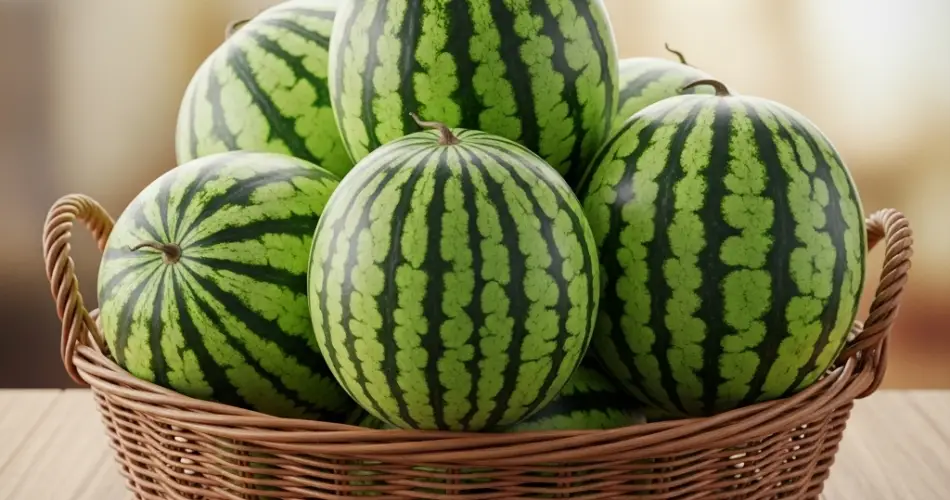
Companion planting is a time-tested gardening method where certain plants are grown together to enhance growth, improve pest resistance, and boost harvests. For watermelon growers, companion planting can be an effective strategy to support healthier vines, reduce pest problems, and make the most of available garden space. By choosing the right plant partners, you can encourage more robust watermelon growth and enjoy a sweeter, more abundant harvest.
This article explores the best companion plants for watermelon and highlights which ones to avoid, along with helpful tips to get the most from this natural gardening technique.
Why Companion Planting Matters for Watermelons
Watermelons are heavy feeders with long growing seasons and sprawling vines. They benefit from companion planting in several ways:
-
Pest control: Certain plants repel insects or attract beneficial predators.
-
Pollination support: Flowers from companion plants attract pollinators, which help watermelons produce fruit.
-
Soil improvement: Some plants add nutrients or improve soil structure.
-
Space efficiency: Companions can fill gaps, provide shade, or grow vertically to maximize space.
Using companion planting, gardeners can reduce the need for chemical treatments and create a more diverse, resilient garden environment.
Best Companion Plants for Watermelons
Here are some of the top-performing companion plants to consider adding near your watermelon vines:
1. Marigolds
Marigolds are well-known for their ability to deter pests such as aphids, whiteflies, and nematodes. Their strong scent confuses insects and creates a natural barrier around your crops.
-
Benefits: Repels pests, adds color, attracts beneficial insects.
-
Placement: Plant around the borders or between watermelon mounds.
2. Nasturtiums
These vibrant flowers act as a natural trap crop, attracting aphids and beetles away from watermelon plants. Nasturtiums also attract pollinators and improve garden biodiversity.
-
Benefits: Lures pests away, draws pollinators, edible flowers.
-
Placement: Interplant near vines or on the edges of the patch.
3. Radishes
Radishes grow quickly and can act as a pest deterrent, especially against cucumber beetles and squash borers. They help protect watermelon seedlings in their early stages.
-
Benefits: Pest control, fast-maturing crop.
-
Placement: Sow near the base of young watermelon plants.
4. Lettuce
Lettuce grows quickly and provides ground cover that helps suppress weeds and retain soil moisture. Since it matures before watermelon vines take over, it fits well into early-season interplanting.
-
Benefits: Weed suppression, moisture retention, early harvest.
-
Placement: Between rows or at the base of watermelon hills.
5. Corn
Tall corn plants can provide partial shade during the hottest part of the day, which helps protect watermelon vines from excessive sun exposure in hotter climates.
-
Benefits: Creates microclimate, offers vertical space use.
-
Placement: Plant to the north or west side to avoid shading the entire patch.
6. Sunflowers
These tall, sturdy plants attract pollinators and can also act as natural trellises for vining companion crops like beans.
-
Benefits: Attracts bees, provides vertical support.
-
Placement: Along garden borders or fence lines.
7. Beans and Peas
Legumes fix nitrogen in the soil, enriching it for heavy feeders like watermelon. They’re especially beneficial in soil that’s been depleted by previous crops.
-
Benefits: Improves soil fertility.
-
Placement: Near watermelon vines, but give them space to grow upward or outward.
Plants to Avoid Near Watermelons
Just as some plants help watermelons, others may hinder their growth or attract harmful pests.
1. Potatoes
Potatoes compete heavily for nutrients and can host diseases that affect watermelon vines. Keep them far apart in your garden layout.
2. Cucumbers and Other Melons
While they may seem like natural companions, planting similar crops together increases the risk of shared pests and diseases like powdery mildew and cucumber beetles.
3. Squash and Pumpkins
These plants, like cucumbers, belong to the same family as watermelons (Cucurbitaceae) and can attract similar pests. They also compete for space, light, and nutrients.
Companion Planting Tips for Watermelon Success
-
Start with healthy soil: Amend your garden bed with compost or well-rotted manure before planting.
-
Use mulch: Straw or organic mulch helps retain moisture, suppress weeds, and regulate soil temperature.
-
Provide space: Watermelons need room to sprawl. Allow 3–5 feet between plants for optimal airflow and growth.
-
Rotate crops: Avoid planting watermelon or its close relatives in the same spot every year to prevent soil-borne diseases.
-
Encourage pollinators: Grow pollinator-friendly flowers nearby and avoid using pesticides during flowering time.
Final Thoughts
Companion planting is a smart, eco-friendly way to grow healthier watermelons while reducing pests and maximizing space. By carefully selecting the right plant partners—like marigolds, radishes, beans, and sunflowers—you’ll create a more balanced and productive garden environment. Avoid planting watermelons near heavy competitors or similar crops, and always pay attention to spacing, soil quality, and seasonal timing.
With thoughtful planning, companion planting can transform your watermelon patch into a thriving, fruitful corner of your garden.


