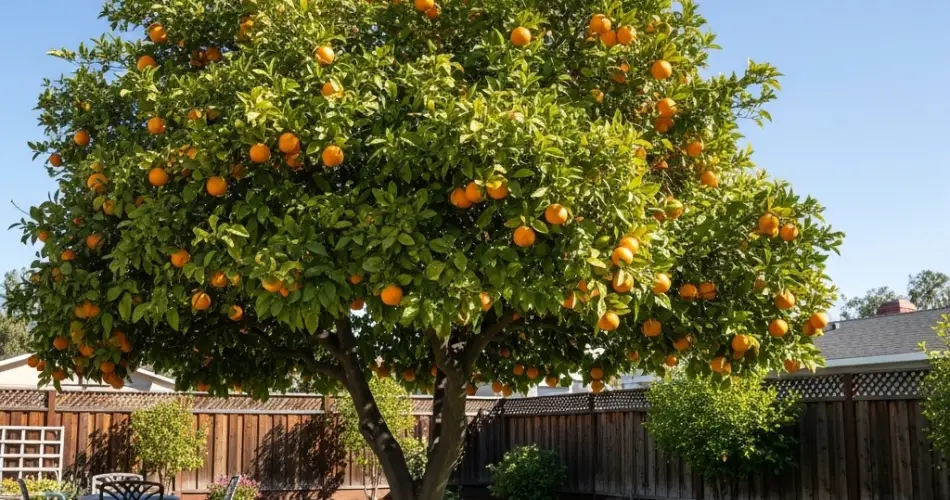
Orange trees are a rewarding addition to any home garden, offering glossy green leaves, fragrant blossoms, and sweet, juicy fruit. However, like all fruit trees, orange trees can face challenges ranging from pests and diseases to environmental stress. Early detection and natural remedies are key to keeping your tree healthy and productive without relying heavily on synthetic chemicals.
Below is a guide to the most common orange tree problems and natural solutions to help you grow strong, fruitful trees the eco-friendly way.
1. Yellowing Leaves
Symptoms: Leaves turn pale or yellow, sometimes with green veins (a condition known as chlorosis).
Causes:
-
Overwatering or poor drainage
-
Nutrient deficiencies (especially nitrogen, iron, or magnesium)
-
Root stress or compacted soil
Natural Solutions:
-
Check soil moisture and improve drainage if needed.
-
Water only when the top 1–2 inches of soil are dry.
-
Apply organic compost or a balanced, citrus-specific fertilizer rich in nitrogen.
-
For iron deficiency, use chelated iron or organic seaweed extract as a foliar spray.
2. Leaf Curl
Symptoms: Leaves curl inward or twist, often accompanied by discoloration or deformation.
Causes:
-
Pest activity (aphids, mites)
-
Sudden temperature drops
-
Water stress
Natural Solutions:
-
Inspect the tree for pests and treat with neem oil or insecticidal soap.
-
Keep the tree evenly watered and avoid sudden drought or overwatering.
-
Mulch around the base to regulate soil moisture and temperature.
-
Provide a protective cover during cold snaps if your tree is outdoors.
3. Leaf Drop
Symptoms: Leaves fall prematurely, sometimes in large numbers.
Causes:
-
Environmental shock (cold drafts, transplanting, moving the tree indoors/outdoors)
-
Inconsistent watering
-
Pest infestation or disease
Natural Solutions:
-
Avoid moving your tree abruptly between environments.
-
Water consistently and keep humidity stable for indoor trees.
-
Spray with neem oil if pests are present.
-
Feed the tree with a compost tea or organic fertilizer to support recovery.
4. Aphids and Ants
Symptoms: Sticky residue on leaves, curled foliage, ants crawling on the tree, visible clusters of tiny green, black, or white bugs.
Cause: Aphids feed on sap and attract ants with the honeydew they excrete.
Natural Solutions:
-
Spray a strong stream of water to dislodge aphids from leaves.
-
Apply neem oil or insecticidal soap every few days until infestation subsides.
-
Introduce beneficial insects like ladybugs or lacewings.
-
Control ants by sprinkling diatomaceous earth around the base of the tree or using citrus peel repellents.
5. Sooty Mold
Symptoms: A black, powdery mold covering leaves, often following an aphid or scale infestation.
Cause: Grows on the sugary honeydew left by pests like aphids, whiteflies, or scale.
Natural Solutions:
-
Treat the underlying pest problem first using neem oil or soap sprays.
-
Wipe the mold gently off the leaves with a damp cloth.
-
Improve airflow by pruning the canopy and cleaning up fallen debris.
-
Strengthen the tree’s immune system with regular compost applications.
6. Citrus Leaf Miner
Symptoms: Silvery, winding trails on young leaves and curling or distortion of new growth.
Cause: Larvae of a small moth that burrow into leaves.
Natural Solutions:
-
Prune affected leaves and dispose of them away from the garden.
-
Use neem oil weekly on new growth to deter larvae.
-
Apply sticky traps to catch adult moths.
-
Encourage natural predators like parasitic wasps by planting companion herbs such as dill or fennel nearby.
7. Fruit Drop
Symptoms: Immature fruit falling off the tree before ripening.
Causes:
-
Overwatering or underwatering
-
Nutrient imbalance
-
Environmental stress (temperature swings or lack of light)
Natural Solutions:
-
Ensure consistent watering—deep and infrequent is best.
-
Apply compost and a potassium-rich organic fertilizer to support fruit development.
-
Avoid fertilizing during flowering or early fruiting stages with high-nitrogen feeds.
-
Mulch well to keep roots cool and reduce stress.
8. Poor Flowering or No Fruit
Symptoms: The tree grows well but produces few flowers or no fruit at all.
Causes:
-
Too much nitrogen
-
Lack of sunlight
-
Incomplete pollination
-
Tree still too young
Natural Solutions:
-
Use a balanced fertilizer or one slightly higher in phosphorus and potassium.
-
Ensure the tree gets at least 6–8 hours of direct sunlight daily.
-
If indoors, hand-pollinate flowers using a soft brush or cotton swab.
-
Be patient—young trees may take 2–3 years to fruit.
9. Scale Insects
Symptoms: Waxy or shell-like bumps on branches and leaves, often accompanied by sticky residue and sooty mold.
Cause: Sap-sucking insects that weaken the tree and attract ants.
Natural Solutions:
-
Scrape off visible scale with a soft toothbrush or cloth.
-
Spray infested areas with neem oil or horticultural oil weekly.
-
Prune heavily infested branches.
-
Attract beneficial predators like ladybugs and lacewings.
Final Thoughts
Orange trees, while generally hardy, can be susceptible to a variety of problems. However, most issues can be resolved naturally with attentive care and eco-friendly remedies. Regular monitoring, consistent watering, proper feeding, and integrated pest management go a long way in preventing serious problems. By responding early and using natural solutions, you can enjoy healthy foliage, vibrant blossoms, and a steady harvest of homegrown oranges year after year.


