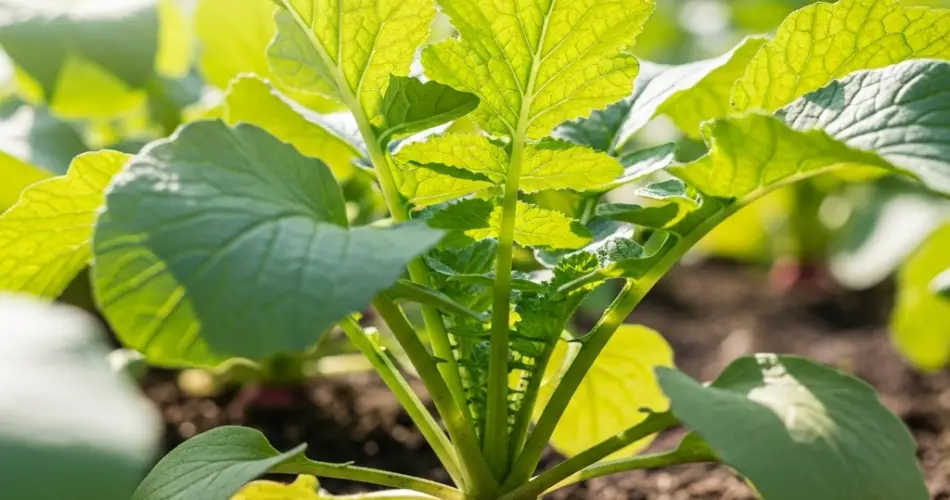
Radishes are one of the easiest and fastest vegetables to grow, making them a favorite for beginners and experienced gardeners alike. Their crisp texture and peppery flavor make them a delicious addition to salads, sandwiches, and stir-fries. Despite their simplicity, radishes can be tricky if certain conditions aren’t met. Many gardeners end up with tiny roots, overly spicy flavors, or lots of leaves and no bulbs.
To help you get the best harvest possible, here are the most common mistakes when growing radishes—and how to avoid them.
1. Planting at the Wrong Time
Radishes are cool-season vegetables and grow best in the mild temperatures of spring and fall. Planting them during hot summer months often leads to bolting (early flowering), which makes the roots woody and inedible.
Avoid it:
Sow radish seeds in early spring or late summer. In warmer climates, plant in partial shade to reduce heat stress. Avoid growing during peak summer unless you’re planting heat-tolerant varieties.
2. Not Thinning the Seedlings
Radish seeds germinate quickly, but if you don’t thin the seedlings early, the roots won’t have enough space to grow. Crowded radishes compete for nutrients and often result in small or misshapen roots.
Avoid it:
Once seedlings have two true leaves, thin them to about 2 inches apart. Gently pull or snip the extras to avoid disturbing nearby plants. Proper spacing ensures each radish develops a healthy, round root.
3. Overwatering or Underwatering
Radishes need consistent moisture to grow well. Overwatering can lead to root rot, while underwatering causes dry, spicy, or woody roots. Fluctuating moisture levels may also lead to cracked or split radishes.
Avoid it:
Water the soil evenly, keeping it consistently moist but not soggy. A layer of mulch can help retain moisture and regulate soil temperature. Water early in the day so the soil has time to dry slightly before nightfall.
4. Using Poor Soil
Radishes prefer loose, well-draining soil rich in organic matter. Heavy clay or compacted soils prevent roots from forming properly, often leading to stunted or forked radishes.
Avoid it:
Before planting, loosen the soil to at least 6 inches deep and mix in compost or aged manure. Avoid using soil that’s too rich in nitrogen, as this encourages leaf growth at the expense of root development.
5. Ignoring Soil pH
Radishes grow best in slightly acidic to neutral soil with a pH between 6.0 and 7.0. Too much acidity or alkalinity can hinder nutrient uptake, resulting in poor growth.
Avoid it:
Test your soil’s pH and adjust if necessary. Add lime to raise the pH or sulfur to lower it, depending on the results. Balanced soil helps radishes develop properly.
6. Planting in Too Much Shade
Radishes need at least 6 hours of sunlight per day to develop full, healthy roots. Too much shade leads to leggy growth and small or non-existent bulbs.
Avoid it:
Plant radishes in a sunny spot with good airflow. If space is limited, try growing them in containers on a sunny patio or balcony.
7. Letting Them Stay in the Ground Too Long
Radishes mature quickly, often within 3 to 5 weeks, depending on the variety. Leaving them in the soil past maturity causes them to become woody, bitter, or hollow inside.
Avoid it:
Monitor your plants and harvest as soon as the roots reach their mature size—usually when they’re about 1 inch in diameter. Regular harvesting ensures better flavor and texture.
8. Over-Fertilizing
Too much fertilizer, especially nitrogen-rich ones, promotes lush leaves at the expense of root growth. You may end up with beautiful tops but no edible roots.
Avoid it:
Use balanced or low-nitrogen fertilizers. Compost or well-rotted manure added at planting time is often sufficient. Avoid fertilizing after the plants are established.
9. Not Rotating Crops
Radishes are in the brassica family, which also includes cabbage, kale, and broccoli. Growing them in the same spot year after year can lead to soil-borne diseases and nutrient depletion.
Avoid it:
Practice crop rotation. Wait at least one year before planting radishes in the same location. Rotate with unrelated crops like legumes or leafy greens to maintain healthy soil.
10. Ignoring Pests
While relatively pest-resistant, radishes can still attract flea beetles, root maggots, and aphids. These pests damage leaves and roots, reducing the quality of your harvest.
Avoid it:
Inspect your plants regularly. Use floating row covers to protect young seedlings and apply organic pest deterrents like neem oil if needed. Encourage natural predators such as ladybugs to keep pest populations in check.
Final Thoughts
Radishes may be quick-growing and easy to plant, but a few common mistakes can prevent you from enjoying a full, crisp, and flavorful harvest. By understanding their basic needs—cool temperatures, well-draining soil, proper spacing, and consistent moisture—you can grow healthy radishes in your backyard, balcony, or raised bed garden.
Start with small batches, learn from each growing cycle, and you’ll soon master the art of radish growing. With a little care and attention, your next radish harvest will be your best yet.


