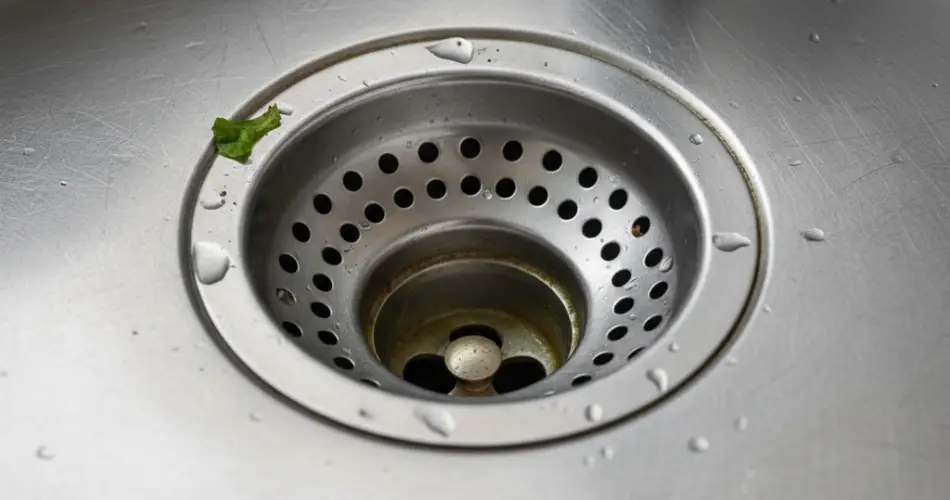
Few household problems are as frustrating as a clogged drain. Whether it’s in the kitchen sink, the bathroom, or the shower, water that refuses to flow properly can disrupt your daily routine and even create unpleasant odors. Many people’s first reaction is to run to the store and buy a strong chemical drain cleaner, but those products can be harsh, expensive, and harmful to both your pipes and the environment.
The good news is that you don’t need to spend a cent to get your drain flowing again. With simple items you already have at home and a few practical tricks, you can clear most blockages quickly, safely, and effectively.
Why Drains Get Clogged
Understanding what causes a blockage is the first step in solving and preventing the problem. Common culprits include:
-
Food scraps and grease in the kitchen sink, which solidify and stick to the pipes.
-
Hair and soap scum in the shower or bathroom sink, which tangle together and form tough clumps.
-
Mineral buildup in hard-water areas, which narrows the pipes over time.
-
Small objects accidentally dropped into drains, from jewelry to bottle caps.
Fortunately, most everyday clogs don’t require professional intervention. A few household remedies can restore water flow in minutes.
The Boiling Water Method
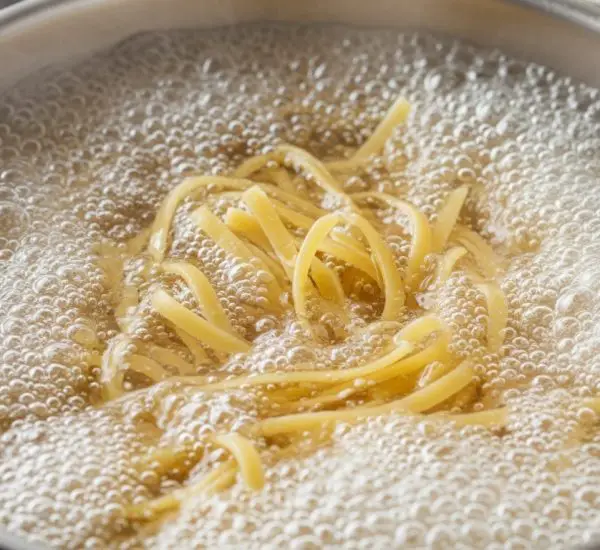
One of the easiest solutions is also the cheapest—plain boiling water. Heat a kettle of water until it reaches a rolling boil, then slowly pour it down the drain in two to three stages, allowing it to work through the clog between pours.
Why does it work? Grease, soap residue, and other sticky substances often soften and loosen when exposed to high heat. While this method may not solve a stubborn blockage, it’s a great first step and sometimes all you need.
Baking Soda and Vinegar Trick
This classic home remedy is popular for a reason—it’s natural, effective, and safe for pipes. Here’s how to do it:
-
Pour half a cup of baking soda directly into the clogged drain.
-
Follow with half a cup of white vinegar.
-
Immediately cover the drain with a plug or cloth to keep the fizzing reaction inside the pipe.
-
Wait 15–20 minutes.
-
Flush with boiling water.
The bubbling reaction helps break down grime, while the hot water flushes it away. This method is especially good for sinks and showers clogged with soap scum or small hair deposits.
The Salt and Hot Water Approach
If you don’t have vinegar at hand, salt can be surprisingly effective. Mix half a cup of table salt with boiling water and pour it down the drain. The abrasive texture of the salt helps scrub pipe walls, while the heat loosens grease. Repeat if necessary for tougher clogs.
The Wire Hanger Technique
When hair is the problem—as it often is in showers—a physical approach may be necessary. Straighten a wire hanger, leaving a small hook at the end, and carefully insert it into the drain. With gentle movements, pull up any tangled hair or debris. Always wear gloves and be prepared for a messy but effective solution.
The Plunger Rescue
If natural remedies don’t clear the clog, a simple plunger might do the trick. Fill the sink or tub with a little water to cover the rubber part of the plunger, then pump vigorously several times. The pressure and suction can dislodge blockages and restore proper flow.
Preventing Future Clogs
Once your drain is clear, prevention is key to avoiding repeat problems. Here are some simple habits that make a big difference:
-
Use a drain strainer: Catch food scraps and hair before they enter the pipes.
-
Dispose of grease properly: Never pour cooking oil or fat down the sink. Let it solidify and throw it in the trash instead.
-
Flush with hot water regularly: Once a week, pour a kettle of hot water down the drain to prevent buildup.
-
Clean with baking soda: A monthly flush with baking soda and vinegar keeps pipes fresh and clear.
When to Call a Professional
Most blockages can be managed at home with little effort and no cost. However, if the drain remains slow after trying these tricks—or if multiple drains in your home are clogged—it may be a sign of a deeper plumbing issue. In those cases, calling a plumber is the safest choice.
Final Thoughts
A clogged drain doesn’t always mean spending money on harsh chemicals or expensive plumbing services. With boiling water, baking soda, vinegar, salt, or even a simple wire hanger, you can often solve the problem using only what you already have at home. These natural methods are safe, eco-friendly, and highly effective for everyday clogs.
By combining quick fixes with preventive habits, you can keep your drains clear, your home fresh, and your wallet untouched. So the next time your sink or shower slows to a trickle, remember: the solution might already be in your kitchen cupboard—no spending required.