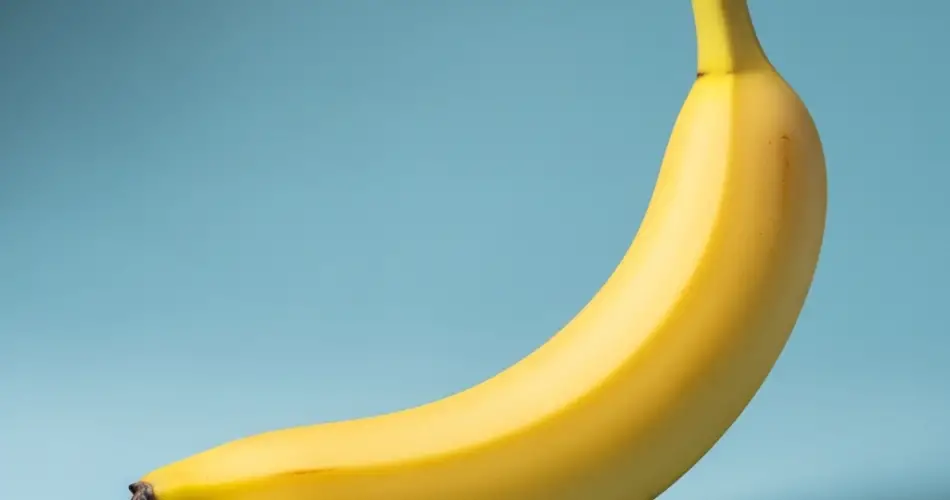
Many people wonder if it’s possible to grow a banana tree from a banana bought at the supermarket. After all, if you’ve ever sliced a banana and noticed the tiny black dots inside, you might think those are seeds ready to sprout. But is it truly possible to grow a banana plant from supermarket fruit? Let’s explore how bananas reproduce, whether their seeds can germinate, and what alternatives exist if you want to grow your own banana tree.
Understanding the Bananas We Eat
The bananas sold in most supermarkets are from a variety called Cavendish—a seedless cultivar developed specifically for mass production. These bananas are sterile and do not produce viable seeds. The small black specks you see inside are remnants of undeveloped seeds. They are not capable of germinating because they are non-viable. That’s why, even if you plant a piece of a supermarket banana or attempt to extract those dots, you won’t get a new plant.
So, to answer the question directly: No, you cannot grow a banana tree from the fruit you buy at the store because it does not contain true, fertile seeds.
Do Bananas Have Real Seeds?
Yes—but not the Cavendish variety. Wild banana species, such as Musa balbisiana and Musa acuminata, produce fruit with large, hard seeds inside. These seeds can be collected, germinated, and grown into full banana plants. However, wild bananas are very different from commercial ones. Their fruit is often full of seeds and much less sweet and fleshy than what we’re used to eating.
If you’re truly interested in growing a banana plant from seed, you’ll need to get your hands on wild banana seeds or ornamental banana varieties that still produce viable seeds.
Where to Get Banana Seeds
To grow bananas from seed, you’ll need to purchase seeds from reputable sources that specialize in exotic or tropical plants. You can find seeds for varieties such as:
-
Musa balbisiana (a hardy wild banana)
-
Musa velutina (pink ornamental banana)
-
Musa sikkimensis (Himalayan banana, more cold-tolerant)
These seeds are often sold online or at specialty garden centers. They require patience, as banana seeds can take weeks or even months to germinate under the right conditions.
How to Germinate Banana Seeds
If you’ve obtained viable banana seeds, here’s a step-by-step guide to germinating them:
-
Soak the Seeds
Begin by soaking the seeds in warm water for 24 to 48 hours. This softens the tough outer shell and helps trigger germination. -
Prepare the Soil
Use a well-draining seed-starting mix. A blend of coconut coir, sand, and perlite works well. Avoid heavy or compacted soil. -
Plant the Seeds
Sow the seeds about 1 to 2 cm (½ to ¾ inch) deep in the soil. Keep some space between them to avoid crowding as they grow. -
Provide Warmth and Humidity
Banana seeds need a warm environment—ideally around 25–30°C (77–86°F). You can use a heat mat to maintain the right temperature. Cover the container with a plastic lid or wrap it in plastic to create a mini greenhouse effect and maintain humidity. -
Watering and Care
Keep the soil moist but not soggy. Use a spray bottle to mist the soil surface regularly. Too much water can rot the seeds, while dry conditions will delay or prevent germination. -
Be Patient
Germination can take anywhere from 3 to 12 weeks, depending on the species. Some seeds may even take longer. Don’t give up if you don’t see growth right away.
Growing the Seedlings
Once the seeds sprout and you have small seedlings, move them to individual pots. Keep them in a warm, bright area with indirect sunlight. Banana plants grow quickly once established and will require regular watering, warmth, and feeding during the growing season.
As the plant matures, you can transplant it into a larger pot or outdoors if you live in a tropical or subtropical climate. If not, the banana plant can live happily indoors as an ornamental houseplant with the right care.
Final Thoughts
While growing a banana tree from a supermarket banana isn’t possible due to the lack of viable seeds, it is entirely possible to grow banana plants from real seeds—provided they come from a wild or ornamental variety. The process requires patience and the right conditions, but it can be a rewarding experience for any plant lover.
So next time you’re eating a banana, enjoy it for what it is—but if you’re serious about growing your own, seek out the real seeds and get ready for a unique gardening adventure.


