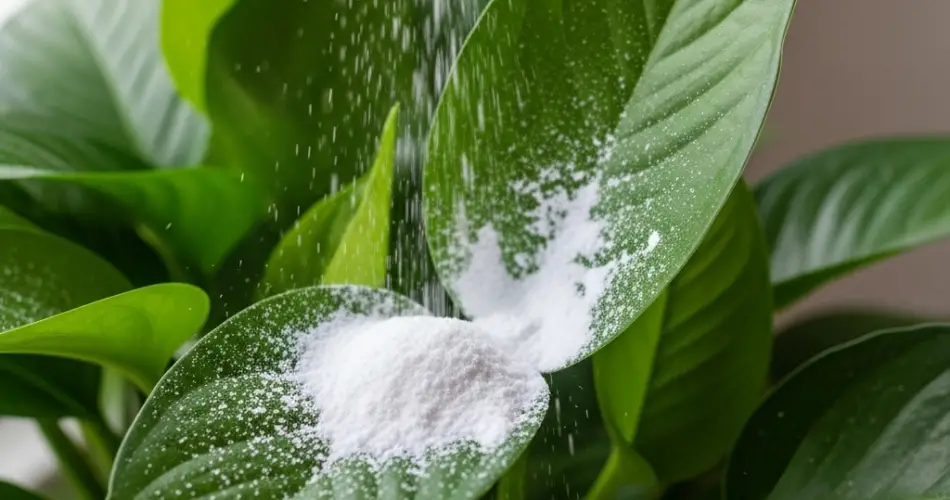
Baking soda is one of the most versatile items in any household. From cleaning surfaces to deodorizing shoes, its usefulness seems endless. But did you know it can also play a helpful role in your garden—especially when it comes to pest control?
While baking soda isn’t a cure-all, it can be a gentle and effective solution for certain common garden pests and plant problems when used correctly. This natural remedy is safe, affordable, and easy to apply, making it a great addition to your organic gardening toolkit.
Here’s a closer look at how baking soda works, when to use it, and how to apply it safely in the garden.
How Does Baking Soda Work in the Garden?
Baking soda, or sodium bicarbonate, is mildly alkaline and has natural antifungal and drying properties. When applied to plant surfaces, it can:
-
Alter the pH on leaves, making them less hospitable to fungi.
-
Dry out and deter soft-bodied pests like aphids and spider mites.
-
Reduce mold and mildew growth.
-
Act as a mild abrasive that disrupts pest movement.
However, it’s important to note that baking soda is most effective when used as a preventive or early-stage treatment—not as a heavy-duty pesticide for major infestations.
Pests Baking Soda May Help Control
While not a broad-spectrum insecticide, baking soda can help manage some common pests in the garden.
1. Aphids
These tiny insects suck plant sap and cluster on stems and leaves. Baking soda mixed with soap can break their waxy coating and discourage them from returning.
2. Spider Mites
These pests thrive in dry conditions and damage plants by feeding on leaf tissues. Baking soda sprays can make the surface of leaves inhospitable to them.
3. Whiteflies
Like aphids, whiteflies can be repelled with a mild baking soda spray when caught early.
4. Ants (Indirectly)
Baking soda can disrupt the trails ants use to travel to and from aphid colonies they tend to for honeydew. While it may not eliminate ants completely, it can reduce their activity.
How to Make a Baking Soda Pest Control Spray
You can create a simple, multi-purpose garden spray using baking soda and a few other household ingredients.
Basic Baking Soda Spray Recipe:
-
1 tablespoon of baking soda
-
1 liter (4 cups) of water
-
A few drops of mild liquid dish soap or castile soap (acts as a surfactant to help the solution stick to leaves)
Optional Additions:
-
1 tablespoon of vegetable oil (helps suffocate pests and increase adhesion)
-
A few drops of essential oil like peppermint or neem (boosts pest deterrence)
How to Use:
-
Mix all ingredients thoroughly in a spray bottle.
-
Spray lightly on the tops and undersides of leaves.
-
Apply in the early morning or late afternoon to avoid sunburn on leaves.
-
Repeat every 5–7 days or after heavy rain, especially during pest outbreaks.
Always test the solution on a small part of the plant first and wait 24 hours to check for any signs of leaf burn or stress.
Other Garden Uses for Baking Soda
In addition to pest control, baking soda can serve several other useful purposes in your garden.
1. Fungal Disease Prevention
Baking soda is particularly effective at preventing and slowing the spread of fungal diseases such as:
-
Powdery mildew
-
Black spot on roses
-
Early blight on tomatoes
Spray the same baking soda solution weekly to help protect your plants from these common fungal threats.
2. Cleaning Tools and Pots
Mix baking soda with a bit of water to scrub dirty garden tools, pots, and containers. It helps remove grime and sanitize surfaces without using harsh chemicals.
3. Neutralizing Soil Acidity (with Caution)
In small amounts, baking soda can temporarily raise soil pH. However, this should only be done after conducting a soil test, as excessive use can unbalance soil nutrients.
Tips for Using Baking Soda Safely
-
Don’t overuse it. Excessive baking soda can raise soil alkalinity and damage plant tissues.
-
Avoid applying during full sun. Baking soda can cause leaf burn if sprayed under intense sunlight.
-
Use fresh solutions. Baking soda sprays lose effectiveness over time, so mix only what you need for each application.
-
Store in a dry place. Keep your baking soda in a sealed container to prevent clumping and loss of potency.
When Not to Use Baking Soda
While useful, baking soda isn’t effective against all pests and shouldn’t be used as a stand-alone solution for serious infestations. Avoid relying on it for:
-
Hard-bodied pests like beetles or caterpillars
-
Large-scale infestations where more targeted treatments are needed
Also, avoid using it on young seedlings or delicate plants without testing, as it may cause damage if applied too heavily.
Final Thoughts
Baking soda is a helpful, budget-friendly tool for managing certain garden pests and fungal issues when used thoughtfully. It’s not a magic bullet, but it can be a gentle ally in keeping your garden healthy and thriving. By combining it with good gardening practices—like proper spacing, regular observation, and healthy soil management—you can enjoy a more natural, chemical-free approach to plant care.


