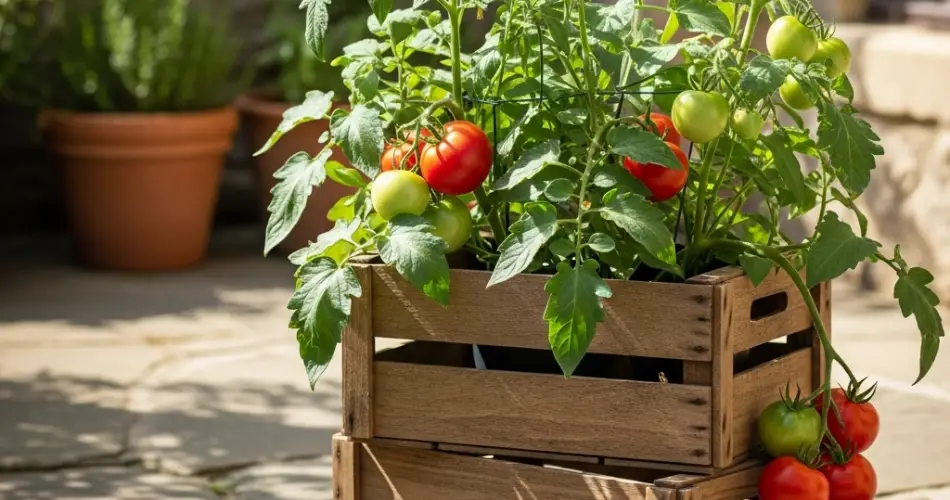
Growing tomatoes at home is a rewarding endeavor, but limited space or poor soil can make it challenging. A tomato crate garden is an excellent solution, allowing you to cultivate healthy, high-yield plants in a controlled environment. By combining raised beds with proper support, you can maximize production even in small backyards, patios, or balconies.
Tomatoes thrive in deep, nutrient-rich soil, consistent watering, and full sun. Crate gardens provide the perfect structure to meet these needs while keeping maintenance simple and efficient.
Why Choose a Crate Garden for Tomatoes?
Crate gardens offer several advantages over traditional in-ground planting:
-
Space Efficiency – Ideal for limited spaces and urban gardening.
-
Soil Quality Control – Easily create a customized soil mix that promotes root growth.
-
Mobility – Move crates to sunnier spots or protect plants from adverse weather.
-
Pest Reduction – Elevation helps reduce risk from soil-borne pests and some rodents.
-
Ease of Harvesting – Raised plants are easier to manage, prune, and pick.
Selecting the Right Crates
The crate you choose will determine the success of your tomato garden:
-
Depth – At least 12–18 inches to accommodate tomato roots.
-
Width and Length – Larger crates allow multiple plants with sufficient spacing.
-
Material – Untreated wood is best to avoid harmful chemicals.
-
Drainage – Ensure there are gaps or holes at the bottom for excess water to escape.
Lining the crate with burlap or landscape fabric can help retain soil while maintaining drainage.
Choosing Tomato Varieties for Crates
Some tomato varieties are better suited to crate growing than others:
Determinate (Bush) Varieties:
-
Compact plants that produce a single harvest period. Examples: Roma, Patio Princess, Celebrity.
Indeterminate (Vining) Varieties:
-
Produce fruit continuously throughout the season. Examples: Cherry Tomatoes, Brandywine, Beefsteak.
Bush varieties are ideal for smaller crates, while larger or vining varieties may require additional support structures such as cages or stakes.
Materials Needed
-
Wooden crate (12–18 inches deep)
-
High-quality potting mix with compost
-
Tomato seedlings or seeds
-
Tomato cages, stakes, or trellises
-
Mulch (straw, shredded leaves, or coco husk)
-
Fertilizer or compost tea
-
Sunny location with at least 6–8 hours of direct sunlight
Planting Tomatoes in Crates
-
Prepare the Crate
Fill the crate with nutrient-rich, well-draining soil. Mix compost or aged manure into the soil to improve fertility. -
Planting Depth
Plant seedlings deeper than their nursery pots, covering part of the stem to encourage stronger roots. -
Spacing
Space plants 18–24 inches apart to promote airflow and prevent fungal diseases. -
Supporting the Plants
Insert stakes, cages, or trellises at planting time to avoid disturbing roots later. Proper support prevents bending or breaking under the weight of fruit.
Caring for Crate-Grown Tomatoes
-
Watering – Maintain consistent moisture, watering deeply at the base. Avoid wetting leaves to reduce disease risk.
-
Feeding – Apply balanced fertilizer or compost tea every 2–3 weeks once flowers appear.
-
Pruning – For indeterminate varieties, remove side shoots (suckers) to channel energy into fruit production.
-
Mulching – Apply a 2–3 inch layer around the base to retain moisture, regulate temperature, and suppress weeds.
Managing Pests and Diseases
Even in crates, tomato plants can face challenges:
-
Aphids – Spray with insecticidal soap or rinse off with water.
-
Hornworms – Handpick promptly if detected.
-
Fungal Issues – Ensure adequate spacing, avoid overhead watering, and provide good air circulation.
Rotate soil or refresh compost each season to prevent nutrient depletion and disease buildup.
Harvesting Tomatoes
Pick tomatoes when they reach full color and firmness. Green tomatoes can also be harvested and allowed to ripen indoors. Regular picking encourages continued production. Use scissors or pruning shears to prevent stem damage.
Extending the Growing Season
If temperatures drop, move crates to a warmer, sheltered location or use row covers. Tomatoes will continue producing as long as they receive adequate light and warmth.
Final Thoughts
A tomato crate garden is an efficient, productive, and accessible way to grow healthy, high-yield tomatoes in limited space. With the right crate, soil mix, and consistent care, you can enjoy a season-long harvest from your backyard, patio, or balcony. This method combines practical gardening with simple design, bringing fresh, homegrown tomatoes from crate to plate.


