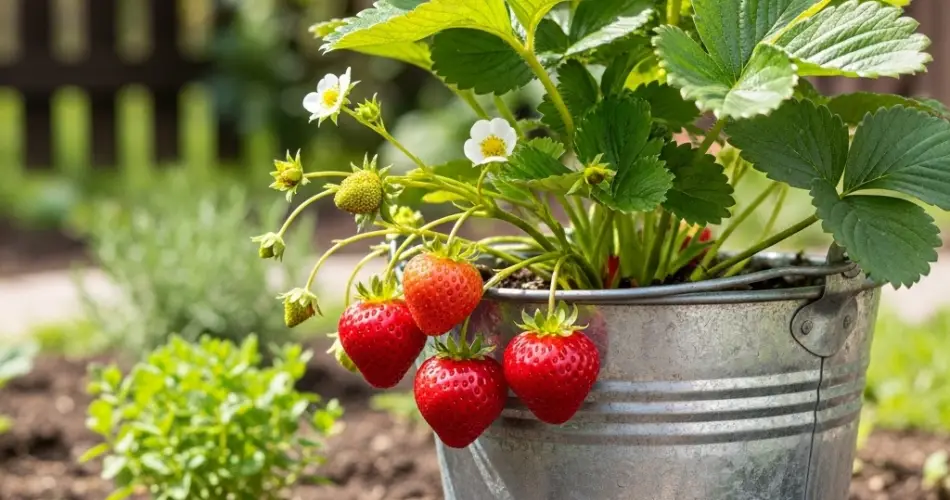
Strawberries are among the most delightful fruits to grow at home. Their sweet flavor, attractive red color, and versatility in recipes make them a favorite for both gardeners and food lovers. The good news is you don’t need a sprawling garden bed to cultivate these berries. With bucket gardening, you can enjoy fresh strawberries all year round—even if you live in an apartment or have limited outdoor space.
This method of container gardening provides flexibility, control over soil quality, and the ability to extend harvests across multiple seasons. With the right care, your bucket-grown strawberries can supply you with a steady stream of fruit month after month.
Why Choose Buckets for Strawberries?
Growing strawberries in buckets has distinct advantages:
-
Space efficiency: Perfect for balconies, patios, or rooftops where space is limited.
-
Mobility: Buckets can be moved to follow the sun, avoid heavy rains, or protect plants from frost.
-
Pest and disease control: Elevating strawberries off the ground reduces problems with slugs, rot, and soil-borne diseases.
-
Clean harvest: Fruits remain cleaner since they don’t rest directly on garden soil.
These benefits make bucket gardening not only practical but also an excellent way to maintain healthy plants year-round.
Selecting Buckets and Soil
To ensure strong growth and abundant harvests, your bucket setup needs the right foundation.
-
Bucket size: Choose containers that are at least 10–12 inches deep and wide. This size provides enough root space for 2–3 plants per bucket.
-
Drainage: Drill several holes at the bottom of each bucket. Good drainage prevents waterlogging, which can lead to root rot.
-
Soil mix: Use a high-quality potting mix enriched with compost. A blend of peat moss or coco coir with perlite improves aeration while retaining moisture.
-
pH level: Aim for slightly acidic soil, between 5.5 and 6.8, which strawberries thrive in.
Choosing the Right Strawberry Varieties
If your goal is year-round production, variety selection is key.
-
Day-neutral strawberries: These produce continuously through the growing season when conditions are favorable. They are ideal for bucket gardening and indoor/outdoor setups.
-
Everbearing strawberries: These provide two to three flushes of berries during spring, summer, and early fall.
-
June-bearing strawberries: While they yield one large harvest, they are less suited for year-round production but can complement other varieties.
For consistent harvests, mix day-neutral and everbearing varieties in your bucket garden.
Planting in Buckets
-
Fill each bucket with prepared soil, leaving about two inches of space at the top.
-
Plant strawberries so the crown (where leaves meet roots) sits level with the soil surface.
-
Space plants 8–10 inches apart. In smaller containers, limit to two plants per bucket.
-
Water well after planting to help roots settle in.
Buckets can also be arranged vertically or in tiered setups to maximize production in small areas.
Caring for Year-Round Strawberries
Consistent care ensures continuous flowering and fruiting.
-
Light: Provide 6–8 hours of direct sunlight daily. If sunlight is limited, consider using grow lights indoors.
-
Watering: Keep soil evenly moist but not soggy. Drip irrigation or self-watering buckets can help maintain consistent moisture.
-
Fertilizing: Feed plants every 3–4 weeks with a balanced liquid fertilizer. During fruiting, a fertilizer higher in potassium helps improve berry quality.
-
Mulching: Add straw, pine needles, or coco coir on the soil surface to retain moisture and protect fruit from contact with soil.
-
Pruning: Remove yellowing leaves and runners (unless propagating new plants) to encourage energy toward fruiting.
Managing Pests and Diseases
While bucket gardening reduces pest pressure, strawberries can still attract unwanted visitors.
-
Birds: Use netting to cover buckets once fruit starts ripening.
-
Insects: Check for aphids, spider mites, or whiteflies, and use organic insecticidal soap if needed.
-
Fungal issues: Ensure buckets have proper drainage and avoid watering foliage to minimize mildew or rot.
Rotating bucket placement occasionally helps maintain healthy growing conditions.
Extending the Season
One of the biggest advantages of bucket gardening is the ability to extend the growing season.
-
Cool climates: Move buckets indoors or into a greenhouse during frost periods.
-
Warm climates: Provide partial shade during extremely hot months to prevent stress.
-
Indoor growing: With artificial lighting and stable temperatures, strawberries can fruit indoors during colder months, ensuring fresh berries year-round.
Harvesting Your Strawberries
Strawberries should be harvested when fully red, firm, and aromatic. Since they don’t ripen after picking, it’s best to wait until they reach peak color. Gently twist or snip the berry off the stem to avoid damaging the plant.
Day-neutral and everbearing varieties will provide multiple harvests, so check buckets frequently for ripe berries. Picking regularly also encourages further production.
Conclusion
Bucket gardening makes it possible to enjoy strawberries year-round, no matter how much space you have. With the right setup, soil mix, and care routine, you can create a steady supply of sweet, homegrown fruit right on your balcony, patio, or kitchen corner.
This approach not only saves space but also offers the satisfaction of harvesting strawberries whenever you want them. Start with a few plants, and soon you’ll be rewarded with a continuous harvest of nature’s sweetest treat—all from your very own bucket garden.


