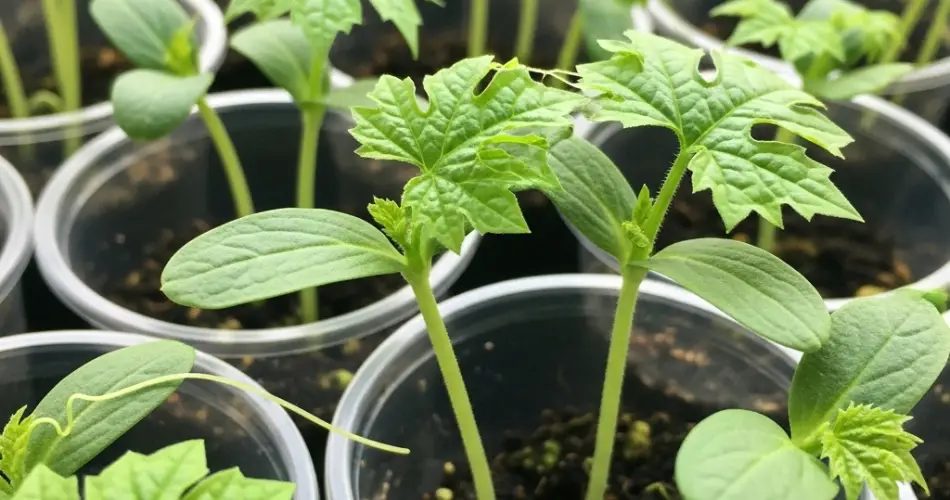
Bitter melon, also known as bitter gourd or Momordica charantia, is a tropical and subtropical vine prized for its medicinal properties and distinct bitter flavor. Commonly used in Asian, African, and Caribbean cuisines, bitter melon is a staple in many home gardens thanks to its nutritional value and productivity. If you’re interested in growing this unique vegetable at home, choosing the right variety is key to a successful harvest.
There are two main types of bitter melon: Chinese and Indian. Each type has different characteristics in terms of shape, texture, bitterness level, and growing habits. Here’s a detailed guide to some of the most popular bitter melon varieties that thrive in home gardens.
Chinese Bitter Melon Varieties
Chinese bitter melons tend to be longer, smoother, and paler in color compared to Indian types. Their bitterness is typically milder, making them a good option for those new to this vegetable.
1. White Pearl
-
Appearance: Pale green to nearly white; smooth skin with gentle ridges.
-
Flavor: Mildly bitter; well-suited for stir-fries and soups.
-
Maturity: Approximately 60 days.
-
Growing Tips: Requires a trellis and plenty of sunlight; thrives in warm, humid climates.
Why Grow It: White Pearl is great for gardeners who want a milder bitter melon that’s easy to cook and less intense in taste.
2. Taiwan Large
-
Appearance: Long, pale green fruit with smooth, undulating ridges.
-
Flavor: Less bitter than Indian types; slightly crunchy texture when cooked.
-
Maturity: 55–60 days.
-
Growing Tips: Very prolific; prefers full sun and well-draining soil.
Why Grow It: Popular in Chinese cuisine, this variety is ideal for sautéing or steaming and is known for high yields in home gardens.
3. Moon Beauty
-
Appearance: Medium to long fruits with a glossy, light green surface.
-
Flavor: Mildly bitter; perfect for soups and stews.
-
Maturity: 60–70 days.
-
Growing Tips: Requires consistent watering and strong support for climbing vines.
Why Grow It: This variety is appreciated for its elegant appearance and milder taste, making it appealing to a wide range of palates.
Indian Bitter Melon Varieties
Indian bitter melons are typically shorter, darker green, and have spikier, more textured skin. They also tend to be more bitter, which is preferred in traditional Indian dishes and for medicinal use.
4. Pusa Do Mausami
-
Appearance: Dark green, spiny fruits around 4–6 inches long.
-
Flavor: Distinctively bitter; commonly used in Indian curries and stuffed dishes.
-
Maturity: Around 60–65 days.
-
Growing Tips: Heat-tolerant and adaptable to different soil types.
Why Grow It: This traditional Indian variety is easy to grow and perfect for those who enjoy authentic, bold flavors.
5. Coimbatore Long
-
Appearance: Slender, dark green fruits up to 8 inches long with sharp ridges.
-
Flavor: More intense bitterness; excellent for traditional dishes and pickling.
-
Maturity: 65–70 days.
-
Growing Tips: Benefits from early pruning and regular harvesting to encourage new fruit.
Why Grow It: Known for its strong flavor and high yield, this variety is favored by those who enjoy bitter melon for its medicinal and culinary strength.
6. Priya Hybrid
-
Appearance: Medium-sized, dark green fruit with heavy ribbing.
-
Flavor: Balanced bitterness; slightly less intense than traditional Indian types.
-
Maturity: 55–60 days.
-
Growing Tips: Disease-resistant and ideal for beginner gardeners.
Why Grow It: This hybrid offers the resilience and productivity of a commercial crop while maintaining the flavor profile of traditional Indian varieties.
Choosing the Right Variety for Your Garden
When selecting a bitter melon variety for home growing, consider the following factors:
-
Climate: Bitter melon thrives in warm, tropical to subtropical climates. If you live in a cooler area, start seeds indoors and transplant when temperatures stay above 65°F (18°C).
-
Space: Most varieties require vertical space to climb. Trellising improves fruit quality and airflow.
-
Flavor Preferences: Chinese varieties are less bitter and more appealing to new gardeners or cooks, while Indian types are favored for stronger flavor and traditional recipes.
-
Growth Time: Some hybrids mature faster and may be more productive in shorter growing seasons.
Tips for Growing Bitter Melon at Home
-
Start with healthy seeds: Soak them in warm water overnight to speed up germination.
-
Plant in full sun: Choose a sunny location with rich, well-drained soil.
-
Support vines: Use a strong trellis or fence to train the plants vertically.
-
Water consistently: Keep soil moist but not soggy; mulch can help retain moisture.
-
Harvest early: Pick fruits while still young and green to avoid over-ripening and excessive bitterness.
Conclusion
Growing bitter melon at home can be a fulfilling experience, offering both culinary and health benefits. With a variety of types to choose from—ranging from mild Chinese strains to intensely bitter Indian ones—you can select the one that best suits your taste and climate. By understanding the characteristics and needs of each variety, you can enjoy a productive garden filled with this unique and nutritious vegetable. Whether you’re a fan of bold flavors or prefer something milder, there’s a bitter melon variety that will thrive in your backyard.


