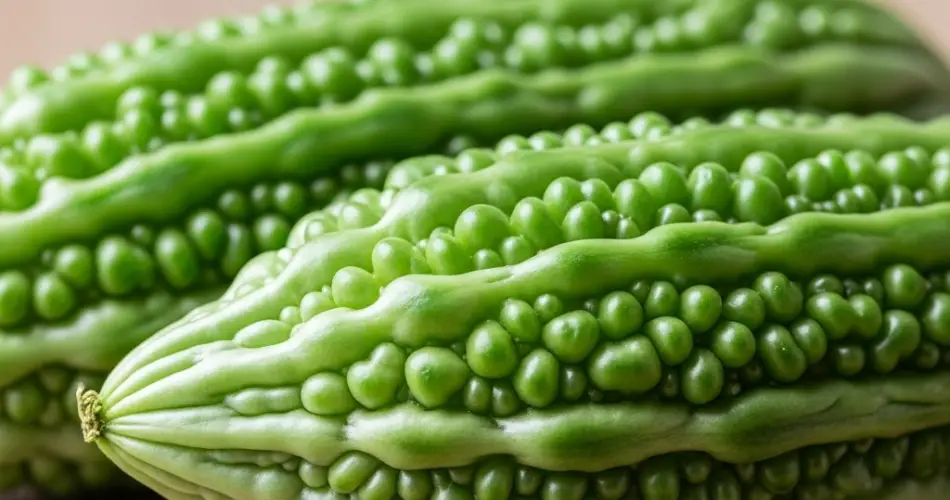
Karela, also known as bitter melon or bitter gourd, is one of those vegetables that often divides people: you either love its bold flavor or shy away from its sharp bitterness. But don’t be too quick to judge—this uniquely spiky, green fruit offers much more than meets the eye. With the right techniques and recipes, karela transforms into a flavorful, nutrient-packed star of the plate.
Whether you’re looking for health benefits or just want to expand your culinary horizons, learning to cook karela in creative and tasty ways can turn it from a challenging ingredient into a household favorite.
Why Embrace the Bitterness?
Bitter melon is highly valued in traditional medicine and modern nutrition for its impressive health properties. It contains compounds like charantin and polypeptide-p, which may help regulate blood sugar levels. Karela is also rich in antioxidants, fiber, vitamin C, vitamin A, and several minerals such as potassium and iron.
Its benefits include:
-
Supporting blood sugar control
-
Aiding digestion
-
Boosting immunity
-
Promoting skin health
-
Acting as a liver detoxifier
Of course, its bitter taste can be intense—but with the right approach, you can tone it down and balance it with complementary flavors.
Prepping Karela the Right Way
Before diving into recipes, learning how to prepare karela can make a world of difference in managing its bitterness:
-
Slice Thinly: Cut the karela into thin rings or half-moons. Remove the seeds if they’re hard or mature.
-
Salt and Rest: Sprinkle the slices with salt and let them sit for 20–30 minutes. This draws out much of the bitterness.
-
Rinse and Squeeze: Rinse off the salt and gently squeeze the slices to remove excess liquid.
This method doesn’t eliminate all bitterness, but it softens it significantly—making the flavor more balanced and easier to work with.
Classic and Creative Karela Dishes
With bitterness tamed, it’s time to explore delicious ways to cook karela. Here are some tried-and-true ideas as well as modern takes:
1. Stuffed Karela (Bharwa Karela)
One of the most traditional Indian preparations, this dish features karela stuffed with a savory spice blend, often including onions, garlic, coriander, turmeric, and chili powder. The stuffed karela is then pan-fried until golden and tender. It pairs beautifully with dal and rice.
2. Karela Chips
Thinly sliced karela rings can be deep-fried or air-fried into crispy chips. Toss them in salt, chili powder, and a squeeze of lemon juice. They’re addictive, crunchy, and great as a side or snack.
3. Karela with Eggs
Sauté karela with onions, garlic, and green chilies until lightly browned. Crack a few eggs into the pan and scramble everything together. The richness of the egg softens the bitterness and creates a hearty breakfast or side dish.
4. Karela Stir-Fry (Sabzi)
A simple stir-fry with karela, onions, tomatoes, and spices like cumin, turmeric, and garam masala can become a regular part of your weekly meals. Serve it with roti or rice for a nourishing vegetarian option.
5. Karela Curry
Cook karela in a spicy tomato or yogurt-based curry to mellow its flavor further. Pair with fragrant basmati rice or flatbread for a filling, comforting dish.
6. Karela Juice with a Twist
For those looking for a health tonic, karela juice is well-known in natural wellness circles. Blend peeled karela with cucumber, lemon, and apple for a more palatable version. Drink in moderation, especially if you’re not used to bitter drinks.
Tips for Better Flavor Balance
Karela works best when paired with strong, contrasting flavors that complement its bitterness:
-
Acidic: Lemon juice, tamarind, vinegar, or yogurt can help cut through the bitterness.
-
Spicy: Chilis and bold spices add heat that balances out the flavor profile.
-
Sweet: Onions, jaggery (unrefined sugar), or sweet tomatoes can round out the taste.
-
Fat: Ghee, oil, or coconut milk can soften and carry karela’s flavor.
Experimenting with these elements helps you find the perfect flavor balance based on your taste.
Making Karela a Regular Ingredient
Once you get comfortable cooking with karela, you’ll start appreciating its depth of flavor and how it stands out among more familiar vegetables. Its slightly bitter edge adds a complexity that’s hard to match, and it brings a satisfying contrast when combined with other ingredients.
Incorporating it into your weekly rotation can offer both health benefits and new culinary experiences. Whether you’re preparing a traditional stuffed karela dish, tossing it into a modern stir-fry, or making crispy chips, bitter melon has much more to offer than its name suggests.
Conclusion: A Bold Ingredient with Rich Rewards
Karela may have a reputation for bitterness, but with a little care in preparation and some flavorful pairings, it can become a surprisingly delicious addition to your meals. Embrace its boldness, try new recipes, and discover how this often-overlooked vegetable can bring both nutrition and excitement to your plate.


