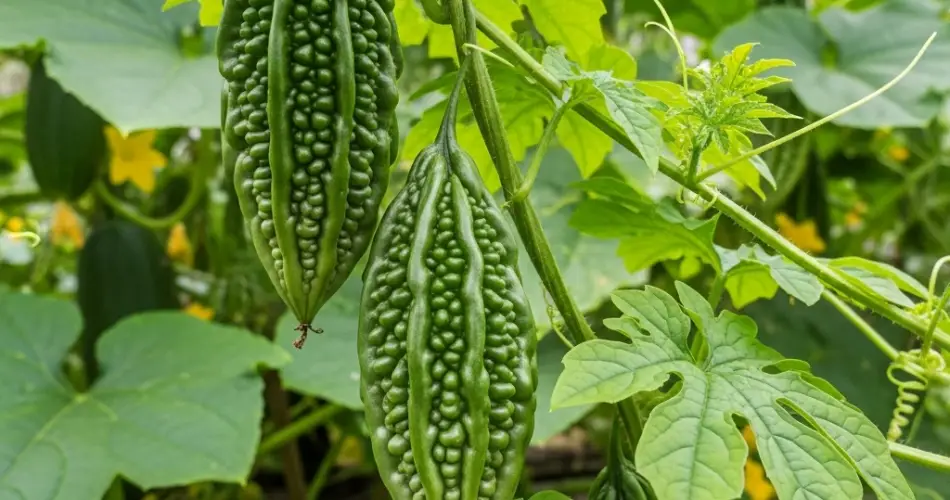

Bitter melon, also known as bitter gourd or Momordica charantia, is a vigorous climbing vine that thrives when provided with proper vertical support. It’s not only grown for its unique flavor and nutritional value, but also for its ornamental foliage and curious-looking fruits. To encourage healthy growth and maximize fruit production, giving your bitter melon vines a sturdy trellis is essential. Here are some of the best trellis ideas and tips to help you grow bitter melon successfully in your home garden.
Why Bitter Melon Needs a Trellis
Bitter melon is a naturally climbing vine with tendrils that latch onto supports. Without a trellis, the vines tend to sprawl across the ground, making them more prone to pests, diseases, and fruit rot. A vertical structure keeps the fruits clean, promotes air circulation, and allows for more efficient use of space, especially in small gardens. Moreover, trellised vines are easier to prune, water, and harvest.
1. A-Frame Trellis
The A-frame trellis is one of the most popular and practical options for bitter melon. It consists of two panels joined at the top to form a triangular shape. You can use wood, metal, or PVC pipe for the frame and cover it with garden netting, wire mesh, or even strong twine.
Advantages:
-
Easy to construct with basic materials.
-
Provides excellent support and sunlight exposure.
-
Allows for easy harvesting from both sides.
Tips:
Place the base legs securely into the ground and ensure the trellis is stable. This style is especially useful for raised beds or container gardens.
2. Vertical Pole or Teepee Trellis
Using bamboo poles or wooden stakes arranged in a teepee or tripod shape provides a simple but effective trellis. Tie three to five poles together at the top and spread the bases out to create a stable structure.
Advantages:
-
Great for smaller spaces.
-
Easy to dismantle and store during the off-season.
-
Encourages upward growth and fruit visibility.
Tips:
Wrap garden twine around the structure in a spiral pattern to give the vines something to grip as they climb.
3. Overhead Trellis or Pergola
If you have more space and want a striking garden feature, an overhead trellis or pergola is an excellent choice. The bitter melon vines climb up vertical supports and spread out across a horizontal frame, creating a canopy of green and hanging fruits.
Advantages:
-
Creates shade and aesthetic value.
-
Fruits hang downward, making harvesting easier.
-
Excellent airflow reduces fungal issues.
Tips:
Ensure the overhead structure is strong enough to bear the weight of mature vines and multiple fruits. Reinforce with metal brackets or thick wooden beams if needed.
4. Wall-Mounted Trellis
If you’re growing bitter melon in a narrow garden or along a fence, a wall-mounted trellis saves space while supporting vertical growth. Use metal grid panels, garden netting, or lattice panels securely fastened to a wall or fence.
Advantages:
-
Ideal for urban gardens and tight spaces.
-
Utilizes existing walls or fences for support.
-
Keeps vines neat and contained.
Tips:
Leave a few inches between the wall and trellis to allow airflow and prevent heat buildup from the wall surface.
5. Arch Trellis
An arch trellis adds beauty to your garden while offering functionality. These curved structures can be made from metal, wood, or PVC and serve as walkways covered with bitter melon vines.
Advantages:
-
Decorative and space-saving.
-
Fruits dangle from above for easy picking.
-
Adds vertical interest and a natural tunnel effect.
Tips:
Position the arch at a garden entrance or along a pathway. Choose durable materials to withstand the weight and weather.
6. Wire Fence or Cattle Panel Trellis
Repurposing a wire fence or cattle panel is a strong and long-lasting solution. Simply secure the panel vertically using sturdy posts on either end.
Advantages:
-
Highly durable and reusable.
-
Supports heavy fruit load.
-
Easy for vines to climb without assistance.
Tips:
Ensure the panel is at least 5 to 6 feet tall to allow full vine development. For even more support, lean the panel slightly to create an angled frame.
Final Tips for Trellising Bitter Melon
-
Plant Spacing: Allow at least 18–24 inches between plants to avoid overcrowding.
-
Training the Vines: Gently guide young vines to the trellis until tendrils take hold.
-
Pruning: Regularly prune side shoots to promote airflow and focus energy on fruit production.
-
Watering and Fertilizing: Keep the soil consistently moist and fertilize every 2–3 weeks with a balanced or low-nitrogen fertilizer to encourage fruiting.
Providing the right trellis system for your bitter melon not only ensures a healthier plant but also makes gardening more efficient and enjoyable. Whether you choose a simple pole trellis or a decorative arch, giving these climbing vines a sturdy structure to grow on will reward you with a bountiful harvest of this nutritious, unique vegetable.


