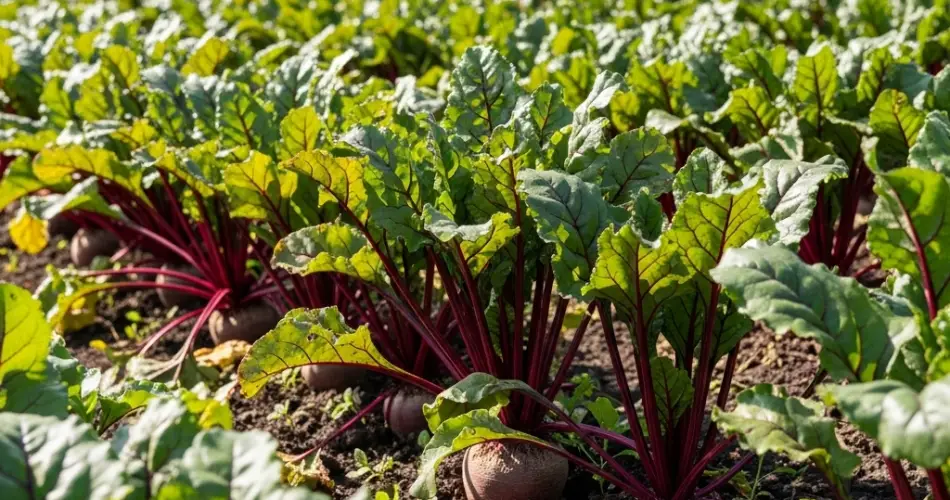
Beets are a versatile and nutritious root vegetable that can thrive in most home gardens. With their earthy flavor, vibrant colors, and edible greens, they’re a popular choice for gardeners who want to enjoy a full harvest from root to leaf. Whether you’re a beginner or seasoned gardener, this guide will walk you through everything you need to know to grow beets successfully from seed to table.
Choosing the Right Beet Variety
There are several types of beets to choose from, each with its unique taste, color, and growth time. Common varieties include:
-
Detroit Dark Red – A classic variety with deep red roots and sweet flavor.
-
Chioggia – An Italian heirloom known for its red-and-white striped flesh.
-
Golden Beets – Milder in flavor and bright yellow in color.
-
Bull’s Blood – Grown for its striking red leaves as well as roots.
Choose a variety based on your culinary preference and garden conditions. Most beets mature in 50 to 70 days.
When and Where to Plant
Beets are cool-season vegetables that grow best in spring and fall. You can sow beet seeds outdoors about 2 to 4 weeks before the last expected frost in spring or in late summer for a fall harvest. In mild climates, beets can also be grown throughout winter.
Select a location that receives full sun and has well-draining, loose soil. Avoid soil that is heavy or compacted, as beet roots need room to develop properly.
Soil Preparation
Beets prefer slightly acidic to neutral soil with a pH between 6.0 and 7.0. Work in plenty of organic matter, such as compost or aged manure, to improve soil texture and fertility. Remove rocks and debris that could obstruct root growth.
Avoid high-nitrogen fertilizers, as they can cause leafy growth at the expense of root development. Instead, use a balanced organic fertilizer or one higher in phosphorus and potassium.
Sowing Beet Seeds
Beet seeds are actually clusters containing multiple seeds. To plant:
-
Soak seeds in water for a few hours before planting to speed up germination.
-
Sow seeds ½ inch deep and 1 to 2 inches apart in rows spaced 12 to 18 inches apart.
-
Keep the soil consistently moist during germination, which usually takes 5 to 10 days.
Once seedlings emerge, thin them to about 3 to 4 inches apart so roots have room to develop.
Growing and Maintenance Tips
Beets are relatively low-maintenance but require consistent watering, especially during dry spells. Uneven moisture can lead to woody or cracked roots. Water deeply and regularly to keep the soil evenly moist.
Apply a layer of mulch to retain soil moisture, suppress weeds, and regulate temperature. Keep the garden bed weed-free, as weeds compete for nutrients and water.
Side-dress plants with compost or a low-nitrogen fertilizer once or twice during the growing season to encourage healthy root formation.
Pest and Disease Management
Beets are fairly resistant to pests and diseases but can occasionally be affected by:
-
Leaf miners – Look for trails on leaves. Remove affected foliage to reduce the population.
-
Flea beetles – These tiny insects leave small holes in leaves. Use row covers to protect young plants.
-
Downy mildew or Cercospora leaf spot – These fungal diseases can be managed by improving air circulation and avoiding overhead watering.
Crop rotation and proper garden hygiene also help reduce disease pressure.
Harvesting Beets
Beets can be harvested when roots are about the size of a golf ball to a tennis ball, usually 50 to 70 days after sowing. Larger roots may become tough and woody. Loosen the soil around the base with a fork before gently pulling up the roots.
Don’t forget the greens—beet tops are edible and packed with nutrients. They can be harvested once they’re 4 to 6 inches tall and used similarly to spinach or chard.
Storing and Using Beets
Cut off the beet greens about 1 inch above the root to prevent moisture loss during storage. Store roots in the refrigerator in a perforated plastic bag or a root cellar for several weeks.
Beets can be boiled, roasted, steamed, pickled, or eaten raw. Their natural sweetness pairs well with citrus, goat cheese, nuts, and herbs. The greens can be sautéed, added to soups, or used in salads.
Final Tips
-
Successive sowing every two to three weeks ensures a continuous harvest.
-
Avoid disturbing the soil around growing beets to prevent root damage.
-
Test soil every season to ensure optimal pH and nutrient balance.
Growing beets from seed is a satisfying and productive experience. With proper care, you’ll enjoy a nutritious harvest that adds both color and flavor to your kitchen table.


