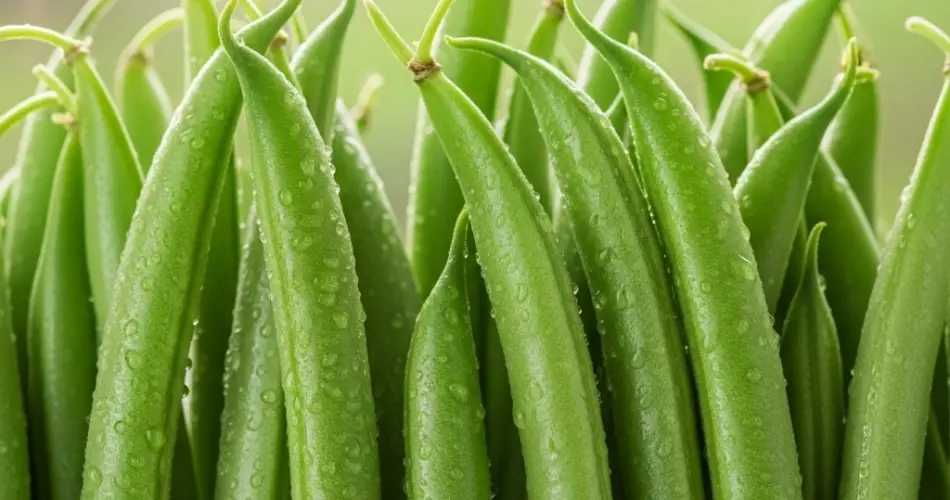
Climbing string beans, also known as pole beans, are vigorous growers that need vertical support to thrive. Without a proper structure to climb, these productive plants may sprawl on the ground, making them more vulnerable to pests, disease, and breakage. Installing a strong and efficient support system not only promotes healthier growth but also makes harvesting easier and keeps the garden tidy. Whether you’re gardening in a backyard, raised bed, or containers, there are several effective support structures to choose from.
Why String Beans Need Support
Climbing varieties of string beans can grow up to 6 to 10 feet tall or more. Providing a structure helps the vines grow upward, improving air circulation and exposure to sunlight. This encourages better yields and reduces the risk of fungal diseases caused by damp foliage. A vertical setup also saves garden space, which is especially beneficial in small plots or container gardens.
1. Teepee or Tripod Trellis
One of the most popular and visually appealing structures for growing climbing beans is the teepee trellis. This setup is easy to assemble and works well in both garden beds and large containers.
How to Build It:
-
Use 3 to 6 long poles (bamboo, wood, or sturdy branches) about 6 to 8 feet tall.
-
Push the ends into the soil in a circle, then tie the tops together with twine or wire.
-
Wrap additional twine or string around the poles in a spiral or crisscross pattern to give the beans more to grip as they grow.
Benefits:
-
Ideal for circular planting patterns.
-
Easy to disassemble and store.
-
Provides great stability even in windy conditions.
2. A-Frame Trellis
An A-frame trellis is a practical option that provides climbing space on both sides and is suitable for raised beds or open garden rows.
How to Build It:
-
Construct two wooden or metal frames in the shape of an “A” and connect them at the top with a hinge or horizontal bar.
-
Attach garden netting, chicken wire, or twine in a vertical or crisscross pattern for vines to climb.
Benefits:
-
Double-sided access makes harvesting easier.
-
Stable and reusable for many growing seasons.
-
Can be folded flat for storage after the season ends.
3. Vertical Pole with Twine
A simple vertical pole system is perfect for gardeners with limited space. It’s a minimalist setup that works well in rows or individual containers.
How to Build It:
-
Insert tall wooden or metal poles into the soil or container.
-
Tie one end of garden twine to the top of the pole and secure the other end in the ground near the base of each plant.
-
As the beans grow, they will spiral around the twine.
Benefits:
-
Very space-efficient.
-
Inexpensive and easy to maintain.
-
Customizable based on the number of plants.
4. Wall-Mounted Trellis or Fence
If you’re gardening near a wall, fence, or building, consider training your string beans vertically along it.
How to Build It:
-
Install hooks, nails, or brackets on the wall and stretch trellis netting, wire mesh, or vertical string lines.
-
Beans can be planted at the base and trained to climb up the support.
Benefits:
-
Saves garden space by using vertical surfaces.
-
Can double as a privacy screen or garden feature.
-
Ideal for urban gardens or small yards.
5. Cattle Panel or Wire Mesh Arch
For a more durable and high-capacity setup, cattle panels or heavy-duty mesh arches work well, especially for larger gardens.
How to Build It:
-
Bend a cattle panel or wire mesh into an arch and secure the ends in the soil or to wooden posts.
-
Plant beans at the base on both sides of the arch.
Benefits:
-
Very strong and long-lasting.
-
Allows easy access for harvesting under the arch.
-
Creates an attractive tunnel effect in the garden.
6. Lattice Panels or Garden Obelisks
Decorative structures like wooden lattice panels or metal obelisks provide both support and aesthetic appeal.
How to Use Them:
-
Place the structure firmly in the soil or container.
-
Train bean vines to climb using ties if needed.
Benefits:
-
Adds visual interest to the garden.
-
Doubles as a decorative feature for flowering climbers as well.
-
Suitable for patios and formal garden designs.
Final Tips for Supporting Climbing Beans
-
Always install your support structures before planting or while plants are still young to avoid damaging roots.
-
Train the vines gently by guiding them toward the structure as they grow.
-
Choose materials that are weather-resistant, especially if the structure will remain in place throughout the season.
Conclusion
Climbing string beans are prolific growers that benefit greatly from the right support structure. From simple twine systems to elegant arches and obelisks, there are many creative and functional ways to grow your beans vertically. Selecting a structure that fits your garden space, aesthetics, and budget will ensure healthier plants and a more abundant harvest.


