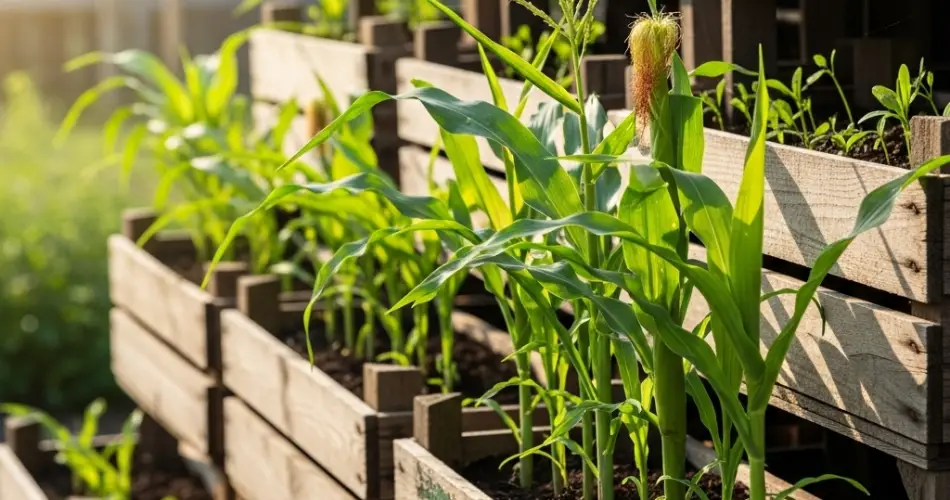
Corn is a staple crop in many parts of the world, loved for its sweet kernels and versatility in the kitchen. While traditionally grown in large fields, corn can also be cultivated in smaller spaces like crates, making it possible for urban gardeners or those with limited land to enjoy homegrown harvests. Growing corn in crates requires special attention to soil conditions, as this tall and fast-growing plant demands rich, well-structured soil to thrive. Choosing the right soil mix is the foundation for healthy growth, strong stalks, and productive ears.
Understanding Corn’s Soil Needs
Corn is a heavy feeder, meaning it requires a large amount of nutrients, particularly nitrogen, throughout its growth cycle. It also grows quickly, so the soil must support rapid development while maintaining adequate water retention. At the same time, good drainage is critical because soggy soil can cause root rot. For crate-grown corn, the soil mix must balance fertility, aeration, and moisture control in a compact space.
The ideal soil pH for corn is between 6.0 and 6.8, slightly acidic to neutral. Maintaining the right pH ensures nutrients remain available to the plant’s roots. Regular soil testing is recommended if you plan to reuse the same crate mix across multiple growing seasons.
Core Ingredients for a Balanced Soil Mix
To create the best soil mix for corn in crates, it’s important to combine ingredients that deliver nutrition while maintaining structure. A recommended blend includes:
-
Loamy Garden Soil (40%): Provides body and retains nutrients. Loam offers a good balance of sand, silt, and clay, creating a strong base.
-
Compost (30%): Supplies essential organic matter and nutrients, especially nitrogen, phosphorus, and potassium. Compost also improves water retention and microbial activity.
-
Coco Coir or Peat Moss (15%): Helps retain moisture without becoming waterlogged. This ingredient is vital in crates, where soil dries out more quickly than in the ground.
-
Perlite or Coarse Sand (10%): Improves aeration and drainage, preventing compaction that can restrict root growth.
-
Aged Manure or Organic Fertilizer (5%): Provides an extra nutrient boost for heavy feeders like corn. Make sure manure is fully decomposed to avoid burning the roots.
Mix these ingredients thoroughly before filling the crate to ensure even distribution of nutrients and soil texture.
Preparing the Crate
The size of the container is just as important as the soil mix. Corn requires deep soil to anchor its tall stalks and support root development. A crate at least 18–20 inches deep and wide is ideal. Be sure to drill several drainage holes at the bottom to allow excess water to escape. Lining the crate with landscape fabric can help keep soil in place while still permitting drainage.
Once the crate is ready, fill it with the prepared soil mix, leaving a couple of inches at the top to allow space for watering.
Fertilizing During the Growing Season
Even with a nutrient-rich soil mix, crate-grown corn benefits from regular feeding. As a heavy feeder, it quickly depletes the available nutrients in a confined container. Use a balanced fertilizer at planting time, then switch to a nitrogen-rich fertilizer once the plants are about 6 inches tall.
Side-dressing—placing fertilizer along the base of the stalks—encourages steady growth. Liquid seaweed extract or fish emulsion can also be added every two weeks for additional nutrients. Always water after fertilizing to help nutrients penetrate the soil.
Watering Considerations
Because crates expose soil to more air, moisture evaporates faster than in the ground. Corn requires consistent watering, particularly during tasseling and ear development. Inconsistent watering may result in poorly filled cobs. Aim to keep the soil evenly moist but never soggy. Mulching with straw or shredded leaves helps conserve moisture and maintain a stable temperature around the roots.
Common Soil Problems to Watch Out For
-
Compacted Soil: If the soil mix becomes too dense, roots struggle to expand. Adding perlite or coarse sand can prevent this issue.
-
Nutrient Deficiencies: Yellowing leaves may indicate nitrogen shortage, while purplish leaves suggest phosphorus deficiency. Amending the soil with the right fertilizer resolves these problems.
-
Poor Drainage: If water lingers after irrigation, check the drainage holes and lighten the mix with more sand or perlite.
Refreshing Soil Between Seasons
After a corn harvest, the soil in crates is often depleted of nutrients. To prepare for another round of planting, refresh the mix by adding new compost and organic fertilizer. It’s also wise to rotate crops, planting beans or peas in the crate the following season. These legumes fix nitrogen in the soil, naturally replenishing fertility before you grow corn again.
Final Thoughts
Growing corn in crates is a rewarding way to enjoy fresh, homegrown produce without needing a large plot of land. The secret lies in building the perfect soil mix that balances nutrients, drainage, and moisture retention. With loam, compost, peat or coco coir, and aerating materials, your corn plants will have the strong foundation they need. Combined with proper fertilizing, watering, and seasonal refreshment, your crate-grown corn can thrive, delivering sweet, juicy ears right from your backyard or balcony.


