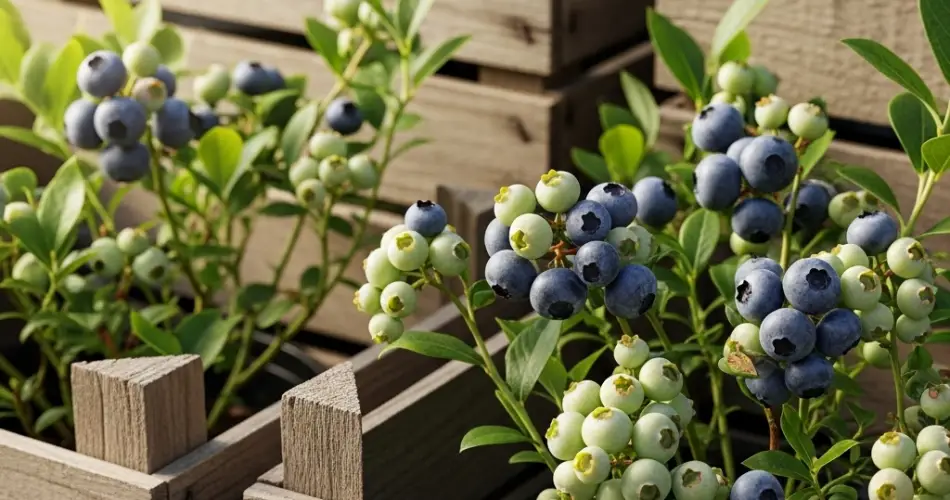
Blueberries are among the most popular small fruits for home gardens, and with the rise of urban gardening, many people are now discovering that these delicious berries can be successfully grown in crates and other containers. While soil quality, watering practices, and proper pruning all play important roles, choosing the right variety is the first step toward success. Not all blueberries are equally suited for small spaces, but certain types thrive beautifully in crates, producing abundant fruit while staying compact and manageable.
Why Variety Selection Matters
Blueberries come in different species and cultivars, each with unique growth habits, size, and fruiting characteristics. Some grow into tall shrubs that are better suited to open gardens, while others remain naturally compact and are ideal for container planting. When growing in crates, it’s important to select varieties that:
-
Stay relatively small and compact.
-
Produce well in limited root space.
-
Offer high yields of flavorful berries.
-
Adapt to the climate and chilling requirements of your region.
Selecting the right variety not only ensures better harvests but also makes care and maintenance much easier in a crate garden.
Categories of Blueberries
There are four main categories of blueberries that gardeners can choose from:
-
Highbush blueberries – These are the most common in North America and come in both Northern and Southern types. They can grow large, but certain dwarf cultivars are perfect for crates.
-
Rabbiteye blueberries – Native to the southeastern U.S., these are heat-tolerant and hardy but often grow too tall for small crates unless pruned.
-
Lowbush blueberries – These are smaller, ground-cover types found in colder regions, often used in commercial production.
-
Half-high blueberries – A cross between highbush and lowbush, these are compact and cold-hardy, making them excellent choices for small gardens.
For crate planting, the best options are dwarf highbush and half-high varieties, as they balance compact growth with reliable fruit production.
Best Blueberry Varieties for Crates
1. ‘Top Hat’
One of the most popular varieties for container gardening, ‘Top Hat’ is a dwarf highbush blueberry that grows only about 18–24 inches tall. Despite its small size, it produces a surprising number of sweet, flavorful berries. Its compact habit makes it perfect for crate gardens, patios, and even balconies.
2. ‘Northsky’
This half-high variety is both hardy and compact, reaching about 18–24 inches in height. ‘Northsky’ thrives in crates and produces small but intensely sweet berries. It is especially well-suited to colder climates, tolerating temperatures down to –40°F.
3. ‘Jelly Bean’
Part of the Bushel and Berry® series, ‘Jelly Bean’ is designed specifically for container gardening. It grows about 1–2 feet tall and produces plump, sweet berries that have a flavor reminiscent of homemade blueberry jam. Its dense, rounded shape makes it as ornamental as it is productive.
4. ‘Sunshine Blue’
Unlike many blueberries, ‘Sunshine Blue’ is semi-evergreen in warmer climates and requires fewer chill hours, making it ideal for regions with mild winters. Growing 3 feet tall, it remains compact enough for crates while yielding abundant crops of medium-sized, tangy-sweet berries. Its pink spring flowers add extra beauty to crate gardens.
5. ‘Peach Sorbet’
Another Bushel and Berry® favorite, ‘Peach Sorbet’ is prized not only for its flavorful berries but also for its colorful foliage. New leaves emerge peachy-orange, then mature into rich green, and later turn purple in fall. Growing about 2 feet tall, it is both ornamental and highly productive.
6. ‘North Blue’
A reliable half-high variety, ‘North Blue’ grows 18–24 inches tall and is excellent for crate planting in colder climates. It produces large, sweet berries with a firm texture, making it a top choice for fresh eating and baking.
7. ‘Blueberry Glaze’
Compact and attractive, this variety resembles a small boxwood shrub, making it suitable as both a fruiting and ornamental plant. It grows about 2 feet tall, with glossy green foliage and dark, almost black berries that have a rich, intense flavor.
Tips for Growing Blueberries in Crates
Choosing the right variety is just the first step. To ensure your blueberries thrive in crate gardens:
-
Use the right soil mix: Blueberries prefer acidic soil with a pH of 4.5–5.5. A mix of peat moss, pine bark, and perlite works well.
-
Water consistently: Containers dry out more quickly than garden beds, so regular watering is essential, especially during fruiting season.
-
Fertilize correctly: Use fertilizers designed for acid-loving plants. Apply in spring and mid-summer to support steady growth.
-
Prune annually: Keep the plant compact and productive by removing older canes and thinning crowded growth.
-
Mulch the surface: A layer of pine needles or bark helps maintain soil moisture and acidity.
Long-Term Rewards
With the right variety and proper care, blueberries in crates can remain productive for many years. Compact cultivars not only provide a steady harvest of delicious berries but also bring beauty to patios, balconies, and small backyards. From the tiny, sweet ‘Top Hat’ to the ornamental ‘Peach Sorbet,’ these varieties prove that you don’t need a large garden to enjoy fresh blueberries at home.
By matching the right blueberry variety with the crate gardening method, anyone—even with limited space—can turn a small corner of their home into a thriving berry patch.


