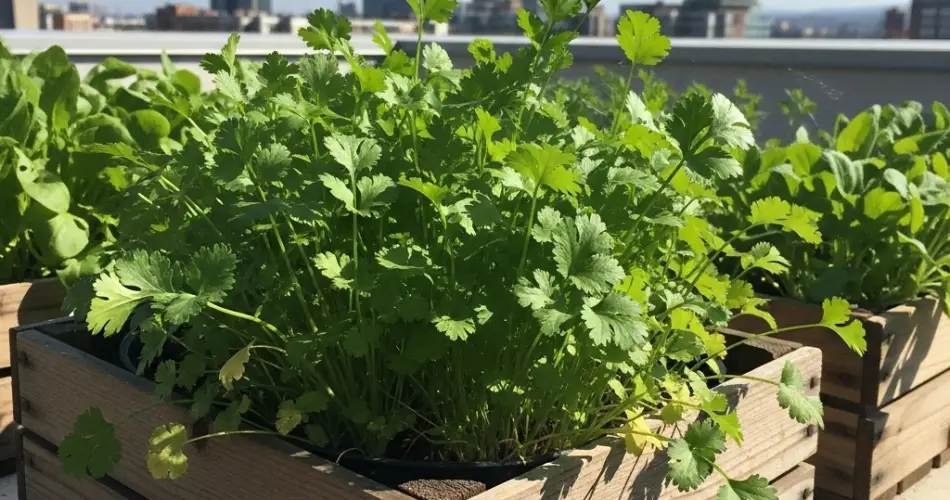
Cilantro, also known as coriander, is a versatile herb widely used in culinary dishes for its fresh, distinctive flavor. Balcony gardening provides an excellent opportunity to grow cilantro even in limited spaces, and using crates as containers makes it practical and efficient. A key factor in successfully cultivating cilantro in crates is selecting the right soil mix. Proper soil ensures healthy growth, flavorful leaves, and a long-lasting harvest. This guide explains how to create the ideal soil mix for cilantro in balcony crates, along with planting, care, and maintenance tips.
Choosing the Right Crate
Before preparing the soil, it’s important to choose a suitable container. Wooden crates, plastic bins, or repurposed boxes all work well for cilantro, provided they are sturdy and have proper drainage. Wooden crates are particularly appealing because they provide natural breathability and a rustic aesthetic. The crate should be at least 20–25 cm (8–10 inches) deep to accommodate cilantro’s taproot and promote strong, healthy growth. Ensure that drainage holes are present to prevent waterlogging, which can cause root rot.
Components of an Ideal Soil Mix
Cilantro thrives in soil that is well-draining, loose, and nutrient-rich. A balanced soil mix encourages deep root development, reduces the risk of diseases, and promotes robust foliage. The following components are essential for an effective cilantro soil mix:
-
Potting Soil: Use a high-quality, general-purpose potting soil as the base. It provides essential nutrients and a lightweight structure for roots to expand. Avoid heavy garden soil, which can compact in containers and hinder root growth.
-
Compost: Adding organic compost enriches the soil with nutrients and improves its water-holding capacity. Compost also enhances soil structure, promotes beneficial microbial activity, and encourages vigorous growth.
-
Perlite or Vermiculite: Incorporating perlite or vermiculite improves drainage and aeration, preventing soil compaction. This is especially important in containers, as cilantro roots need access to oxygen for optimal development.
-
Sand: A small amount of coarse sand can be added to further improve drainage. Well-draining soil prevents water accumulation, reducing the risk of root rot and fungal infections.
-
Organic Fertilizer: A slow-release organic fertilizer or granular compost can be mixed in to provide long-term nutrients. Cilantro benefits from a moderate level of nitrogen to promote healthy green growth, but excessive fertilizer can lead to leggy plants with reduced flavor.
Preparing the Soil Mix
To prepare the ideal cilantro soil mix, combine approximately 50% potting soil, 30% compost, 10–15% perlite or vermiculite, and 5–10% sand. Mix thoroughly to create a uniform medium that is both nutrient-rich and well-draining. Lightly moisten the soil before filling your crate to help cilantro seedlings establish more easily.
Planting Cilantro in Crates
Cilantro can be grown from seeds or small seedlings. Sow seeds directly in the prepared soil, spacing them 5–7 cm apart, and cover lightly with a thin layer of soil. Keep the soil consistently moist until germination, which usually occurs within 7–10 days. Thin seedlings to maintain proper spacing once they develop two or three sets of leaves. Proper spacing ensures sufficient airflow, reducing the risk of disease and encouraging bushier growth.
Positioning and Sunlight
Cilantro prefers full sun to partial shade. Position your crate in a location that receives at least 4–6 hours of sunlight per day. Morning sun is ideal, as it promotes healthy growth without exposing the plants to excessive heat during the afternoon. If your balcony has limited sunlight, supplemental grow lights can be used to maintain consistent growth.
Watering and Maintenance
Cilantro thrives in soil that remains evenly moist but not soggy. Water at the base of the plants to avoid wetting the leaves, which can encourage fungal issues. Avoid overwatering, as excessive moisture can lead to root rot. Fertilize lightly every 3–4 weeks with a balanced, water-soluble fertilizer or organic alternative to maintain nutrient levels. Regularly remove yellowing or damaged leaves to keep plants healthy.
Harvesting Cilantro
Cilantro can be harvested once the plants reach 15–20 cm in height. Cut stems from the outer edges, leaving enough foliage to allow continued growth. Frequent harvesting encourages bushier growth and ensures a steady supply of fresh leaves for culinary use. Cilantro can be used fresh in salads, salsas, sauces, or as a garnish, and it can also be frozen for longer storage.
Benefits of Proper Soil in Balcony Crates
Using an ideal soil mix in balcony crates ensures healthy cilantro plants, maximizes yield, and enhances flavor. Well-draining, nutrient-rich soil supports robust root development and minimizes the risk of disease. By carefully preparing your soil, you create the foundation for a productive, low-maintenance cilantro garden that thrives in a small urban space.
By selecting the right crate, preparing a balanced soil mix, and following proper planting and care techniques, balcony gardeners can enjoy fresh, flavorful cilantro year-round. A well-crafted soil mix is the key to successful cilantro cultivation in containers, ensuring vibrant, aromatic leaves for all your culinary creations.


