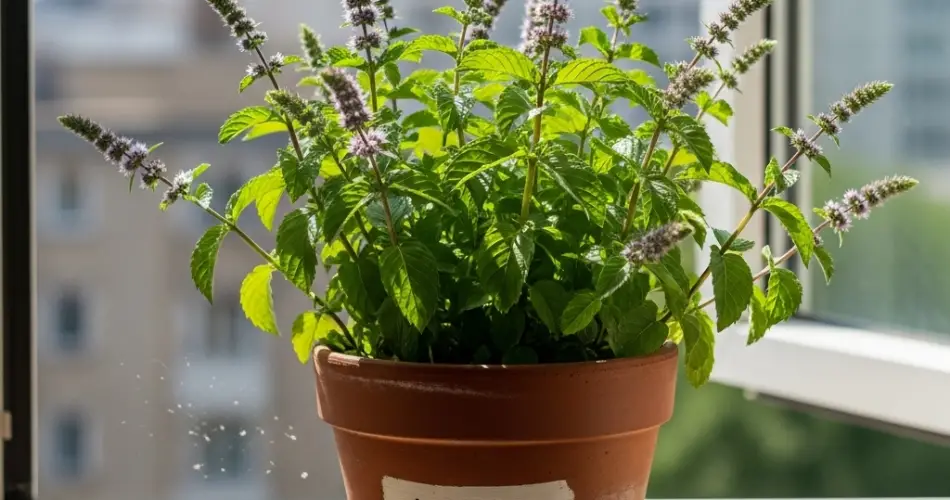
Mint is one of the most popular and versatile herbs to grow at home. Its refreshing aroma and cool flavor enhance drinks, desserts, and savory dishes alike. Growing mint in containers is ideal, especially since mint can spread aggressively in garden beds. To ensure your mint plants thrive and remain healthy, it’s essential to choose the right soil and pots. This guide explains how to select the best growing medium and containers to cultivate vigorous, lush mint plants.
Why Grow Mint in Pots?
Mint is a fast-growing perennial herb known for its invasive root system. Planting mint directly in the ground can lead to it overtaking your garden, so container growing is a practical solution. Pots:
-
Contain mint’s spread and prevent it from overwhelming other plants.
-
Allow better control over soil quality and moisture.
-
Can be moved to adjust light or temperature conditions.
-
Are suitable for balconies, patios, and small spaces.
Choosing the Best Soil for Mint
Healthy mint plants start with well-prepared soil. Here’s what to consider:
1. Well-Draining Soil
Mint roots dislike standing water and soggy conditions, which can cause root rot. The soil must drain well but still retain enough moisture for the roots to absorb.
-
Use a high-quality potting mix designed for herbs or vegetables.
-
Avoid heavy garden soil or clay-based soil that retains too much water.
-
Adding perlite or coarse sand to your mix improves drainage.
2. Nutrient-Rich Soil
Mint is a relatively heavy feeder and benefits from soil rich in organic matter.
-
Incorporate compost or well-rotted manure into your potting mix.
-
Organic matter improves soil structure, moisture retention, and nutrient availability.
-
Fertilize regularly with balanced, water-soluble fertilizer to support vigorous growth.
3. pH Level
Mint prefers slightly acidic to neutral soil, with a pH between 6.0 and 7.0.
-
Most commercial potting soils fall within this range.
-
If you’re mixing your own soil, a soil test kit can help ensure the right pH.
Selecting the Ideal Pots for Mint
The choice of container is just as important as soil quality. Here are the key factors for picking the right pots:
1. Size
Mint’s root system spreads quickly and needs room to grow.
-
Choose pots that are at least 10 to 12 inches in diameter and similar in depth.
-
Larger pots support better growth and reduce the need for frequent repotting.
-
If space is limited, consider using wide, shallow containers that encourage spreading without overwhelming the area.
2. Material
Different pot materials offer advantages and disadvantages:
-
Terracotta: Porous and breathable, terracotta helps prevent overwatering by allowing excess moisture to evaporate. However, it dries out faster and may require more frequent watering.
-
Plastic: Retains moisture better and is lightweight, making it easier to move. Plastic pots are less breathable, so be careful not to overwater.
-
Ceramic/Glazed Pots: Stylish and retain moisture well but can be heavy and expensive.
-
Fabric Grow Bags: Excellent drainage and air circulation; encourage healthy root growth but dry out quickly.
3. Drainage
Good drainage is critical to prevent waterlogging.
-
Ensure pots have multiple drainage holes at the bottom.
-
Place a layer of small stones or broken pottery shards at the bottom to improve drainage if desired.
-
Use saucers under pots to catch excess water but avoid letting pots sit in standing water.
Planting and Maintaining Mint in Pots
After selecting the right soil and pot, proper planting and care are key:
-
Fill the pot with your well-draining, nutrient-rich soil mix.
-
Plant mint seedlings or cuttings about 1 inch deep and water thoroughly.
-
Keep the soil consistently moist but not soggy.
-
Place the pot in a location with partial to full sunlight (at least 4-6 hours daily).
-
Fertilize every 4-6 weeks during the growing season to maintain nutrient levels.
-
Trim back the plant regularly to encourage bushier growth and prevent flowering, which can reduce leaf quality.
Tips for Longevity and Re-Potting
Mint grows vigorously and will eventually fill the pot with roots.
-
Repot every 1-2 years into fresh soil to replenish nutrients.
-
If the plant becomes root-bound (roots circling inside the pot), trim some roots before replanting.
-
Dividing the plant during repotting also encourages healthy growth.
Controlling Pests and Diseases
While mint is generally hardy, it can fall victim to pests and diseases, especially in containers:
-
Keep an eye out for aphids, spider mites, and whiteflies.
-
Use insecticidal soap or a gentle spray of water to manage infestations.
-
Avoid overwatering to reduce fungal issues like powdery mildew or root rot.
-
Ensure good airflow around your plants.
Final Thoughts
Growing mint in pots is a convenient, manageable way to enjoy fresh, aromatic leaves year-round. The key to success lies in using well-draining, nutrient-rich soil combined with appropriately sized containers that provide ample root space and drainage. Regular care, watering, and pruning will keep your mint healthy and productive.
By carefully selecting the best soil and pots, you’ll cultivate thriving mint plants that add refreshing flavor to your kitchen and brighten your living space.