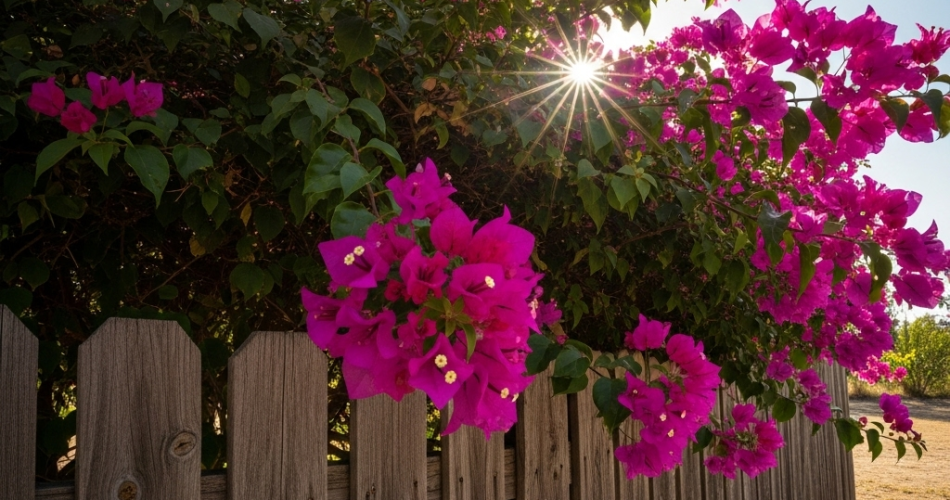
Bougainvillea is a stunning flowering plant known for its colorful bracts that brighten up gardens, balconies, and fences. With the right care and fertilizing routine, this plant can produce vibrant blooms almost year-round in warm climates. However, bougainvillea has specific needs when it comes to fertilization. This article provides a detailed guide on the best fertilizer schedule to help you grow a healthy, flowering bougainvillea.
Understanding Bougainvillea’s Nutrient Needs
Bougainvillea is a heavy feeder, especially when grown in containers. It thrives in well-draining soil and requires a balance of nutrients to maintain both foliage and abundant flowers. The key nutrients for bougainvillea include:
-
Nitrogen (N) – Promotes leafy growth. Too much nitrogen, however, can result in lush green foliage but fewer flowers.
-
Phosphorus (P) – Essential for blooming and root development.
-
Potassium (K) – Helps with overall plant health and supports blooming.
For best results, use a fertilizer with a balanced or slightly higher phosphorus ratio (such as 10-30-10 or 12-24-12) to encourage flowering over foliage.
Monthly Fertilizer Schedule for Bougainvillea
Spring (March – May)
Spring is the beginning of the active growing season for bougainvillea. Start fertilizing once new growth appears.
-
Frequency: Every 3–4 weeks
-
Type: Use a water-soluble fertilizer high in phosphorus.
-
Application Tip: Water the plant first, then apply the diluted fertilizer to avoid root burn.
Summer (June – August)
Summer is peak blooming season. This is when bougainvillea needs the most feeding.
-
Frequency: Every 2–3 weeks
-
Type: Use a bloom booster fertilizer with low nitrogen and higher phosphorus and potassium levels.
-
Extra Tip: If your bougainvillea is in a pot, consider using a slow-release fertilizer in addition to liquid feeds.
Fall (September – November)
Bougainvillea will continue blooming into early fall in warm climates. As temperatures cool, the plant’s growth will slow down.
-
Frequency: Every 4 weeks
-
Type: Use the same blooming fertilizer, but start to taper off feedings by late November, especially in cooler regions.
-
Note: If your plant is in-ground and established, you may reduce the frequency to every 6 weeks.
Winter (December – February)
In colder regions, bougainvillea goes dormant and requires very little nutrition. Overfeeding in winter can lead to weak growth.
-
Frequency: Stop fertilizing or apply once in late January if the plant is still active in a warm climate.
-
Type: Avoid nitrogen-rich fertilizers. If necessary, use a very diluted, balanced fertilizer.
Choosing the Right Fertilizer
There are several options available depending on your preference:
-
Granular Slow-Release Fertilizers – Convenient for long-term feeding, ideal for in-ground plants.
-
Water-Soluble Fertilizers – Offer fast absorption, best for potted bougainvillea and during blooming seasons.
-
Organic Fertilizers – Fish emulsion, bone meal, or compost tea can be used, though they may be slower acting.
-
Specialty Bougainvillea Fertilizers – Some garden centers offer blends made specifically for flowering vines, which can simplify the process.
Signs of Nutrient Deficiency or Overfeeding
Keep an eye on your plant to ensure it’s responding well:
-
Too much nitrogen: Lots of green leaves but few flowers.
-
Phosphorus deficiency: Weak or limited blooming.
-
Potassium deficiency: Yellowing edges on leaves or poor resistance to stress.
Always follow package instructions when applying fertilizers, and avoid feeding a dry plant, as this can damage roots.
Other Tips to Maximize Flowering
-
Sunlight: Bougainvillea needs full sun—at least 6 hours daily—to bloom well.
-
Pruning: Regular light pruning encourages more branching and blooms.
-
Watering: Allow the soil to dry slightly between waterings. Overwatering can hinder blooming.
-
Stress: Mild drought stress can actually trigger more blooms, but be careful not to let the plant wilt.
Final Thoughts
Fertilizing bougainvillea properly is the key to unlocking its full blooming potential. By following a consistent schedule and using the right type of fertilizer, you’ll enjoy vibrant bracts and healthy growth throughout the year. Tailor your feeding routine to the seasons and your plant’s environment, and you’ll be rewarded with a spectacular floral display that’s hard to miss.


