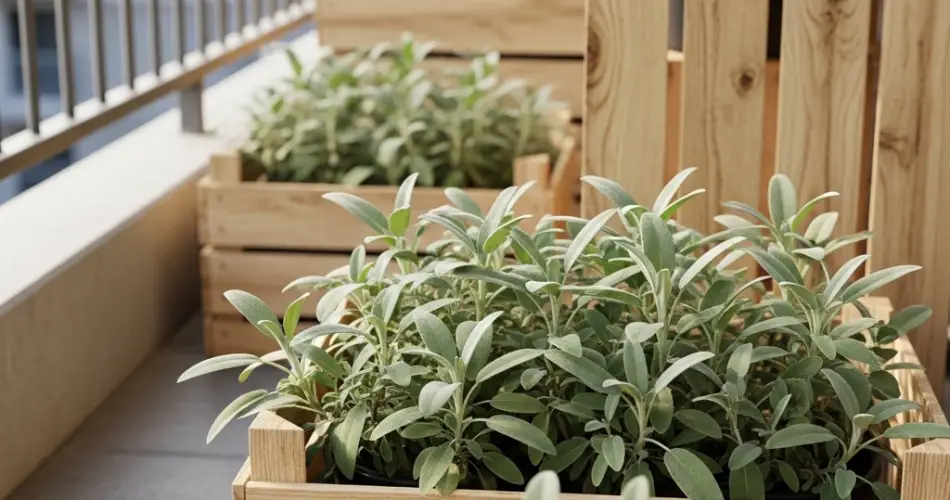
Sage is a wonderfully aromatic herb, prized not only for its culinary uses but also for its ornamental appeal and medicinal properties. Even if you lack a garden or traditional yard space, you can successfully grow sage on a balcony using wooden crates. This method is ideal for those who want a compact, portable, and charming herb garden.
Here’s how to cultivate a thriving sage garden in crates on your balcony.
Why Grow Sage in Crates?
Crates are excellent for container gardening. They allow for easy customization of your garden layout and good airflow around the plants. Sage, with its modest root system and drought tolerance, thrives in this setup. Wooden crates also offer a rustic aesthetic that enhances the visual appeal of your balcony garden.
Choosing the Right Crates
Select wooden crates that are sturdy and untreated. Avoid any crates that have been chemically treated or painted with lead-based materials. Wine boxes, fruit crates, or even repurposed vegetable crates are perfect options.
Ensure the crate is deep enough—around 6 to 8 inches—to allow sage roots to grow comfortably. Line the interior with landscaping fabric or a breathable liner to hold soil while allowing water to drain.
Preparing the Crate
-
Add drainage holes: If your crate doesn’t already have gaps between slats or a perforated bottom, drill small holes to ensure water doesn’t accumulate and cause root rot.
-
Line the crate: Use burlap, garden fabric, or coconut coir lining to contain the soil and maintain drainage.
-
Fill with soil: Use a well-draining potting mix. A mix of garden soil, compost, and sand or perlite is ideal. Sage thrives in slightly alkaline to neutral pH soil, with good drainage being essential.
Choosing the Right Sage Variety
Common sage (Salvia officinalis) is the most popular variety for culinary use, with gray-green leaves and a strong aroma. Other varieties, such as pineapple sage, purple sage, or golden sage, offer ornamental beauty and unique flavors. For container growing, dwarf or compact cultivars are especially suitable.
Planting Sage in Crates
You can start sage from seeds, cuttings, or young nursery plants. Starting from seeds requires more time and patience—expect germination in two to three weeks and transplanting after seedlings reach a few inches tall. For quicker results, use established seedlings or cuttings.
Plant one or two sage plants per crate, depending on the crate size. Leave at least 12 inches of space between plants to promote airflow and avoid overcrowding.
Watering and Sunlight
Sage prefers dry, sunny conditions. Place your crate where it will receive at least 6 hours of direct sunlight daily. Morning sun is preferable, especially in hot climates, as afternoon sun can be too harsh in the peak of summer.
Water the plant only when the top inch of soil feels dry. Avoid overwatering, which can lead to fungal diseases. Once established, sage is drought-resistant and requires minimal irrigation.
Pruning and Maintenance
Regular pruning encourages bushier growth and extends the life of your plant. Remove dead or woody stems and trim leggy branches to maintain a compact shape.
In the first year, avoid harvesting more than a third of the plant at once. Once mature, you can pick leaves regularly to use in cooking or dry for storage. Pinch off flower buds if you want to prolong leaf production.
Every two to three years, replace older plants with fresh ones, as sage tends to become woody and less productive over time.
Dealing with Pests and Disease
Sage is relatively pest-resistant but can occasionally attract aphids or spider mites. A spray of water or neem oil can help keep pests in check. Good air circulation and avoiding waterlogged soil will prevent mildew and root rot.
Companion Plants and Crate Combinations
Sage pairs well with other Mediterranean herbs such as rosemary, thyme, and oregano. You can plant these together in a larger crate, provided they all have similar water and sunlight needs. Avoid planting sage near cucumbers, as it may inhibit their growth.
Winter Care
In colder climates, bring the crate indoors or into a sheltered area during winter. Sage can tolerate mild frost but will suffer in freezing temperatures. Indoors, place it near a sunny window and reduce watering frequency.
Harvesting Tips
Harvest sage in the morning after dew has dried but before the sun gets too intense. Pick mature leaves from the outside of the plant, leaving younger inner leaves to continue growing. For drying, gather stems and hang them in a cool, dark place until crisp.
Growing sage in crates is a rewarding and space-saving method for adding fresh herbs to your meals and fragrance to your balcony. With just a little effort and care, your sage garden will provide aromatic results throughout the seasons.


