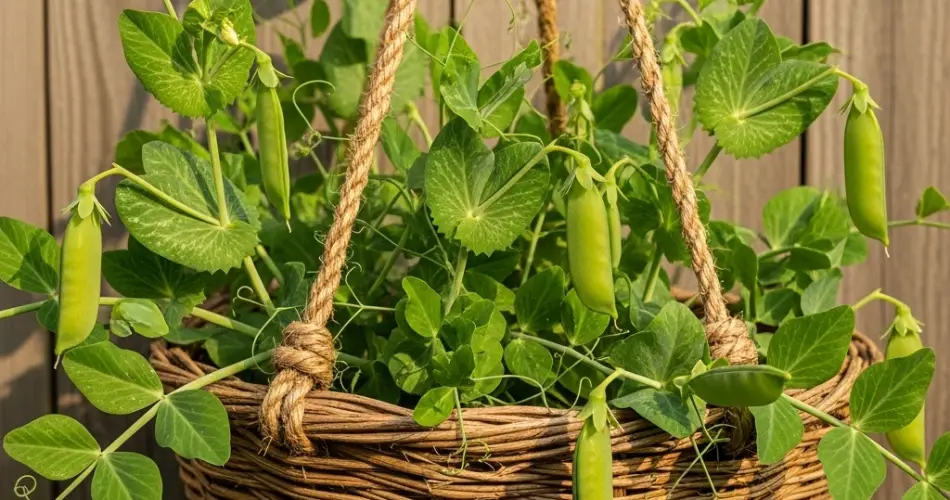
Peas are a sweet, nutrient-rich vegetable that can thrive in even the smallest of garden spaces. They are packed with protein, fiber, and essential vitamins, making them a valuable addition to any home-grown vegetable collection. For urban gardeners or those with limited outdoor space, basket gardening offers an efficient and attractive solution for growing peas on balconies, patios, or small terraces. This guide provides a comprehensive overview of planting, caring for, and harvesting peas in baskets, ensuring a productive and rewarding harvest.
Why Grow Peas in Baskets
Basket gardening provides several advantages for cultivating peas in small spaces:
-
Space-Efficient: Perfect for balconies, patios, or rooftop gardens where traditional garden beds are not feasible.
-
Improved Drainage: Baskets allow excess water to escape, preventing waterlogging and root rot.
-
Mobility: Easily move baskets to follow the sunlight or protect plants from harsh weather.
-
Aesthetic Appeal: Baskets add a decorative element while keeping pea plants organized and easy to maintain.
Choosing the Right Pea Varieties
Peas come in several types, each with unique characteristics. Selecting compact varieties ensures success in small-space basket gardening:
-
Snap Peas: Crisp pods that are edible and easy to harvest. Varieties like ‘Sugar Snap’ or ‘Super Sugar Snap’ are ideal for baskets.
-
Snow Peas: Flat, tender pods perfect for stir-fries and salads. Varieties like ‘Oregon Sugar Pod’ work well in small containers.
-
Garden Peas (Shelling): Classic peas with edible seeds, often requiring regular harvesting to encourage further growth. Varieties include ‘Little Marvel’ or ‘Green Arrow.’
Dwarf or bush-type varieties are particularly well-suited to basket gardening, as they minimize overcrowding and reduce the need for tall trellises.
Selecting and Preparing Baskets
Choose a sturdy basket with a diameter of 12–14 inches and a depth of 10–12 inches. Ensure it has drainage holes at the bottom to prevent water accumulation. Line the basket with coconut coir, burlap, or landscape fabric to hold soil while allowing water to escape. Proper drainage is crucial for healthy roots and vigorous growth.
Preparing the Soil
Peas prefer nutrient-rich, well-draining soil. For balcony baskets, prepare a soil mix of:
-
High-quality potting soil
-
Compost or well-rotted organic matter for nutrients
-
Perlite or coarse sand to improve aeration and drainage
Avoid heavy garden soil, which can compact in baskets and inhibit root development. Peas grow best in slightly acidic to neutral soil, with a pH between 6.0 and 7.0. Adding a balanced, slow-release fertilizer at planting provides essential nutrients for strong early growth.
Planting Peas in Baskets
To plant peas successfully in baskets:
-
Fill the basket with prepared soil, leaving 2 inches from the top.
-
Sow seeds 1–2 inches deep, spacing them 2–3 inches apart.
-
For climbing varieties, install a small trellis or stakes in the basket to support vertical growth.
-
Water gently to settle the soil and maintain even moisture.
Proper spacing and vertical support improve airflow, reduce disease risk, and promote continuous pod production.
Sunlight and Temperature
Peas require full sun for optimal growth, ideally 6–8 hours per day. Position balcony baskets in the sunniest available spot. Peas grow best in cooler temperatures, around 55–70°F (13–21°C). Extreme heat may reduce flowering and pod formation, so consider providing partial shade during hot summer days.
Watering and Care
Consistent soil moisture is crucial, particularly during flowering and pod development. Water baskets regularly to keep soil evenly moist without causing waterlogging. Mulching with straw or small bark chips helps retain moisture, suppress weeds, and regulate soil temperature.
Fertilize every 3–4 weeks with a balanced, water-soluble fertilizer to support healthy leaves and abundant pod production. Avoid excessive nitrogen, which can encourage foliage growth at the expense of flowers and pods.
Harvesting Peas
Peas are ready to harvest when pods are firm, crisp, and reach the desired size. Snap and snow peas should be picked frequently to encourage continued production, while garden peas can be harvested when pods are plump but still tender. Regular harvesting prevents over-mature pods, which can reduce further yields.
Benefits of Balcony Basket Pea Gardening
-
Efficient use of limited space
-
Improved soil quality and drainage control
-
Portability for optimal sunlight or protection from weather
-
Continuous harvest through regular picking
-
Adds vertical interest and charm to small outdoor areas
Final Thoughts
Growing peas in balcony baskets is an effective and rewarding solution for small-space gardeners. By choosing suitable varieties, providing nutrient-rich, well-draining soil, and maintaining consistent care, you can enjoy a steady supply of fresh, sweet peas throughout the growing season. Balcony basket gardening offers mobility, visual appeal, and convenience, making it an ideal method for urban or compact gardening spaces. With proper planting, watering, and harvesting techniques, basket-grown peas can provide both nutritious produce and aesthetic value to your balcony garden.


