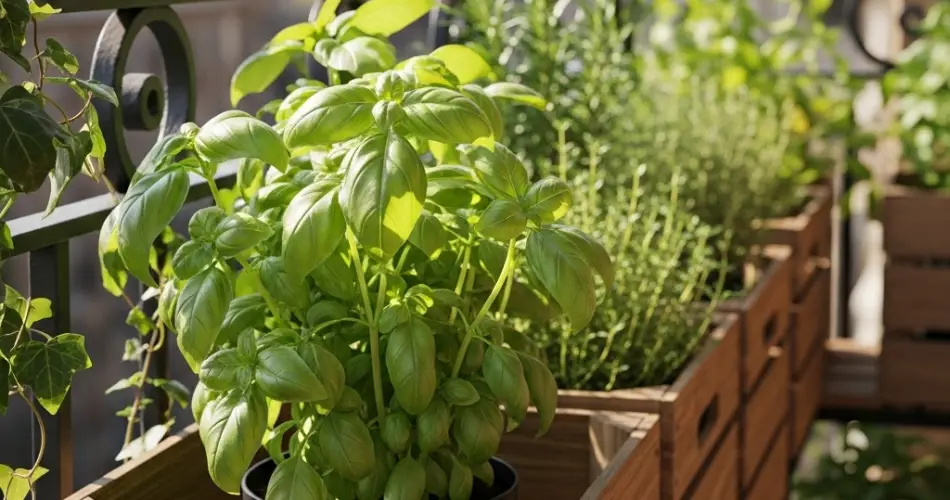
Basil is one of the most versatile and fragrant herbs you can grow, instantly elevating dishes from fresh salads to pasta and homemade pesto. For those living in apartments or homes with limited outdoor space, wooden crate gardening is a stylish and practical solution. This method allows you to grow a lush, fragrant crop of basil right on your balcony while adding a decorative touch to your space.
Wooden crates are easy to find, inexpensive, and adaptable. They can be repurposed from fruit or wine boxes, bought from craft stores, or even built from scratch. With a little creativity, you can transform a simple wooden crate into a productive mini-garden that’s as attractive as it is functional.
Why Grow Basil in Wooden Crates?
Basil thrives in containers, making it perfect for crate gardening. Here are some of the key advantages:
-
Space-Saving: Ideal for balconies, patios, or small outdoor areas.
-
Portable: Move the crate to follow the sun or protect it from harsh weather.
-
Customizable: Paint, stain, or decorate to match your balcony style.
-
Eco-Friendly: Reuse old crates instead of buying new pots.
This setup also keeps plants raised above ground level, making them easier to care for and less prone to certain pests.
Choosing the Right Crate
Select a sturdy wooden crate that’s deep enough for basil’s root system—around 12–18 inches is ideal. If using a recycled crate, make sure it’s untreated wood or sealed with a food-safe finish to prevent chemicals from leaching into the soil.
Preparing Your Crate
1. Add a Lining
Line the inside of the crate with landscape fabric, burlap, or heavy-duty plastic (with drainage holes). This keeps the soil in place while allowing excess water to escape.
2. Ensure Drainage
Drill several small holes in the bottom if the crate doesn’t already have them. Basil hates standing water, so good drainage is essential.
3. Positioning
Place your crate in a spot that gets at least 6–8 hours of sunlight daily. Basil needs warmth and light to develop its full flavor.
Planting Basil in Crates
1. Select Your Variety
Choose from sweet basil for classic Italian dishes, Thai basil for Asian cuisine, or lemon basil for a citrusy twist. You can even mix varieties in the same crate for a more diverse harvest.
2. Soil Preparation
Fill the crate with a high-quality potting mix enriched with compost. The soil should be light and well-draining to encourage healthy root development.
3. Planting Seeds or Seedlings
-
Seeds: Sow them ¼ inch deep, cover lightly with soil, and water gently. Keep the soil consistently moist until germination (5–10 days).
-
Seedlings: Transplant them carefully, spacing each plant 6–8 inches apart.
Caring for Your Balcony Basil
-
Watering: Keep the soil evenly moist but avoid waterlogging. In hot weather, daily checks may be necessary.
-
Fertilizing: Use a balanced liquid fertilizer every 3–4 weeks to keep the plants vigorous.
-
Pruning: Pinch off the top leaves regularly to promote bushier growth and delay flowering.
-
Flower Removal: If blooms appear, pinch them off to keep leaves tender and flavorful.
Harvesting Basil
Harvest basil in the morning for the best flavor. Use scissors or pinch leaves from the top of the plant, taking no more than one-third of the foliage at a time. Regular harvesting encourages the plant to produce more leaves.
Styling Your Crate Garden
One of the joys of growing basil in crates is that the container itself becomes part of your balcony décor. Here are some ideas:
-
Rustic Look: Leave the crate unfinished for a natural, farmhouse feel.
-
Color Pop: Paint the crate in bright colors to add vibrancy to your balcony.
-
Herb Labels: Use stencils, chalkboard paint, or wooden tags to label your basil varieties.
-
Layered Display: Stack multiple crates or place them on shelving for a vertical garden effect.
Benefits Beyond Beauty
Your basil crate garden isn’t just for decoration—it offers practical advantages:
-
Convenience: Fresh herbs right outside your door mean no last-minute grocery runs.
-
Sustainability: Growing your own basil reduces packaging waste from store-bought herbs.
-
Educational: Great for kids to learn about plant growth and care.
-
Air Quality: Plants help freshen the air around your balcony space.
Troubleshooting Common Issues
-
Yellow Leaves: Often caused by overwatering or nutrient deficiencies. Adjust watering and consider feeding with a mild fertilizer.
-
Leggy Growth: Usually due to insufficient sunlight—move the crate to a sunnier location.
-
Pests: Keep an eye out for aphids or whiteflies and treat them with an organic insecticidal soap if needed.
Final Thoughts
Balcony basil grown in wooden crates is the perfect combination of style and practicality for urban gardeners. This method makes it possible to enjoy fresh, aromatic basil even in small spaces, while also adding charm to your outdoor area.
With a little creativity and regular care, you can have a lush, thriving basil garden that’s easy to move, simple to maintain, and always ready to provide fresh leaves for your favorite recipes. From morning sunlight to evening pasta, your balcony basil will become a fragrant, flavorful part of daily life—proof that even the smallest spaces can produce big harvests.


