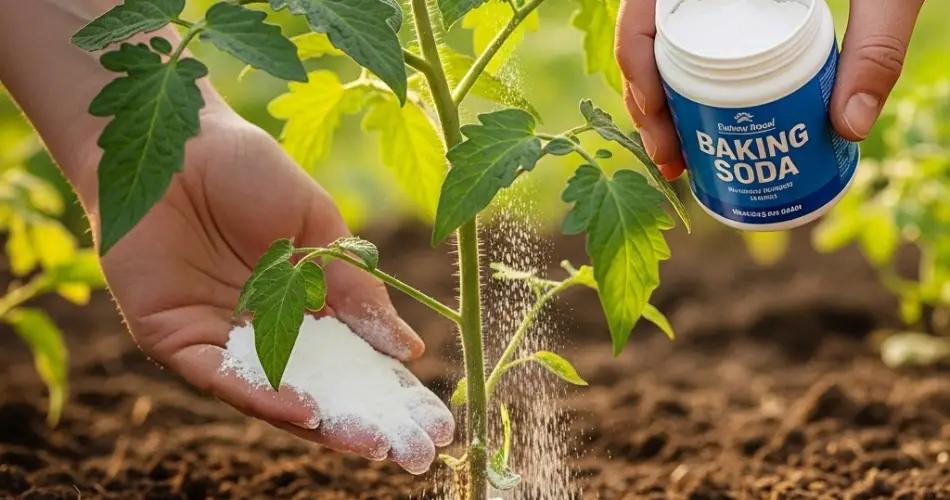
Baking soda, or sodium bicarbonate, is a versatile household ingredient that goes beyond baking and cleaning—it also offers several benefits in the garden. Affordable, non-toxic, and easy to use, baking soda can help control pests, prevent fungal infections, and improve overall plant health. Gardeners around the world use it as part of their natural gardening routines, especially when looking for eco-friendly solutions.
Here’s a detailed guide to the most effective uses and benefits of baking soda in the garden, and how to apply it correctly for best results.
1. Fungal Disease Control
One of the most common uses of baking soda in the garden is for fighting fungal diseases, especially powdery mildew and black spot. These diseases often appear on plants like cucumbers, squash, roses, and grapes.
How to use:
-
Mix 1 tablespoon of baking soda with 1 liter of water.
-
Add a few drops of mild liquid soap (like castile or dish soap) to help the solution stick to leaves.
-
Spray affected plants thoroughly, including the undersides of leaves.
This solution works by increasing the pH on the leaf surface, making it harder for fungi to survive. For best results, spray weekly during high humidity or after rain.
2. Natural Pest Deterrent
While baking soda is not a broad-spectrum insecticide, it can help repel some soft-bodied pests like aphids, spider mites, and whiteflies when used in combination with other natural ingredients.
Pest spray recipe:
-
1 tablespoon baking soda
-
1 liter water
-
1 tablespoon olive oil or neem oil
-
A few drops of dish soap
Spray on the leaves where pests tend to gather. The combination of baking soda and oil suffocates pests and discourages new infestations.
3. Sweetening Tomatoes (Soil pH Adjustment)
Some gardeners use baking soda to slightly reduce soil acidity around tomato plants, with the aim of improving the flavor of the fruit.
How to apply:
-
Sprinkle a small amount (no more than 1 teaspoon) of baking soda around the base of the tomato plant.
-
Water the soil lightly to allow the baking soda to penetrate.
This technique may result in sweeter tomatoes, especially in soils that are overly acidic. Use caution—too much baking soda can overly raise soil pH and affect nutrient absorption.
4. Weed Prevention in Cracks
Baking soda can be used to discourage weeds in areas like cracks between patio stones or sidewalks, where you don’t want anything growing.
How to apply:
-
Simply sprinkle dry baking soda directly onto weeds or into sidewalk cracks.
-
Reapply every few weeks, especially after rain.
This method works best for preventing weed seeds from germinating and for small areas—not for use in garden beds, where it can affect nearby plants.
5. Deodorizing Compost and Garden Areas
Compost piles and garden bins can sometimes produce unpleasant odors due to excess moisture or imbalanced materials. Baking soda helps absorb smells and balance acidity.
Instructions:
-
Sprinkle a light dusting of baking soda over smelly compost.
-
Mix it into the top layer to help neutralize odors.
Use sparingly—too much baking soda can slow composting by affecting microbial activity.
6. Freshening Garden Tools and Pots
Baking soda is mildly abrasive and excellent for cleaning tools and containers without toxic chemicals.
To clean garden tools:
-
Make a paste with baking soda and a little water.
-
Use a sponge or brush to scrub dirt and residue.
-
Rinse and dry thoroughly to prevent rust.
This not only keeps your tools clean but also helps prevent the spread of diseases from plant to plant.
7. Soil pH Testing at Home
You can use baking soda for a basic soil pH test if you’re unsure whether your soil is too acidic or too alkaline.
Simple test:
-
Take a soil sample and place a few spoonfuls in a container.
-
Add half a cup of vinegar—if it fizzes, your soil is alkaline.
-
In a second container, add water to the soil, then mix in a spoonful of baking soda. If it fizzes, your soil is likely acidic.
This is not a precise method but gives a general idea of soil characteristics before you consider more detailed testing.
8. General Garden Freshening
Baking soda can also help reduce moldy or musty smells in shaded or damp areas of your garden.
-
Mix baking soda with water and spray on garden surfaces (not plants) where odors linger.
-
Use dry baking soda to lightly deodorize garden shoes, gloves, or storage bins.
Tips for Safe Use
-
Always test a small section of a plant before widespread spraying.
-
Avoid overuse—while baking soda is natural, excessive amounts can disrupt soil chemistry.
-
Use only diluted solutions when applying directly to plants.
-
Store unused solutions in a cool, dry place and remake weekly for freshness.
Final Thoughts
Baking soda is a powerful, budget-friendly addition to your garden toolkit. From controlling fungi and pests to cleaning tools and adjusting soil conditions, this simple ingredient offers a wide range of natural gardening solutions. When used correctly and in moderation, it can support a healthier, more balanced garden environment—without the need for synthetic chemicals.


