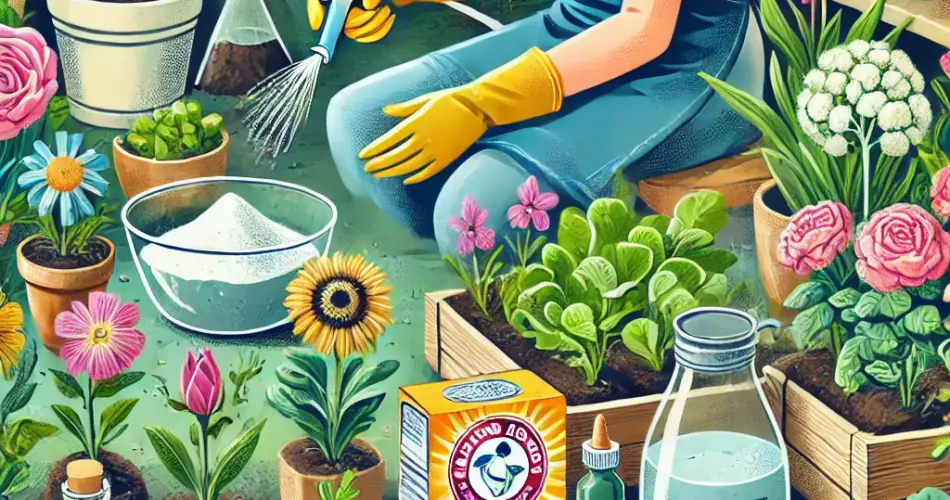
The Many Uses and Benefits of Baking Soda in the Garden
Baking soda is a common household ingredient that can be found in almost every kitchen. However, its usefulness extends far beyond cooking and baking. This simple compound, known as sodium bicarbonate, is an excellent natural remedy for various gardening challenges. From controlling pests and diseases to testing soil acidity, cleaning tools, and even promoting plant growth, baking soda is an affordable and effective solution for many garden-related issues. In this article, we will explore ten powerful uses and benefits of baking soda in gardening, providing you with practical tips to improve the health and productivity of your plants.
1. Encourage Flowering
One of the most effective ways to use baking soda in the garden is to encourage flowering in plants. To create a simple and effective spray, dissolve one teaspoon of baking soda in one liter of water. Mix well and spray the solution onto plants with unopened buds or flowers. This helps stimulate blooming and prolongs the lifespan of flowers. Regular application can also enhance the vibrancy and overall health of your garden plants.
2. Natural Pesticide and Fungicide
Baking soda is an excellent natural pesticide and fungicide that can help control various pests and plant diseases. A simple but powerful spray can be prepared by mixing the following ingredients:
- 1 liter of water
- 2 teaspoons of baking soda (increase to 3 teaspoons for severe infestations)
- 1 teaspoon of neem oil (or any vegetable oil such as olive oil)
- 10 drops of liquid dish soap or organic soap
Shake the solution well before use. Before spraying the entire plant, conduct a small patch test on a few leaves and wait for a couple of hours to ensure there are no adverse effects. This powerful mixture can help combat aphids, thrips, mites, whiteflies, worms, larvae, powdery mildew, rose black spot, leaf rust, and leaf miners.
For enhanced effectiveness, you can add clove oil or eucalyptus oil to the solution. These essential oils further boost the fungicidal and insect-repelling properties of the spray.
3. Leaf Cleaning for Better Photosynthesis
Plants accumulate dust and dirt over time, which can block sunlight and reduce photosynthesis efficiency. To clean plant leaves, prepare a mild cleaning solution by adding half a teaspoon of baking soda to one liter of water. Spray the mixture onto the leaves and gently wipe them with a soft cloth. This will help improve photosynthesis, enhance plant health, and contribute to lush greenery.
4. Eliminate Cabbage Caterpillars
Cabbage caterpillars can cause significant damage to plants such as cabbage and broccoli. A simple homemade pesticide can be made by mixing equal parts of baking soda and flour. Sprinkle this mixture on the leaves of affected plants. The caterpillars will ingest the powder, which will ultimately prove lethal to them within a day or two. This is an effective and natural way to protect your vegetable crops.
5. Repel and Eliminate Snails
Snails can be a major problem in gardens, feeding on leaves and damaging plants. There are two ways to use baking soda to deal with snails:
- Sprinkle baking soda directly on the snails to eliminate them.
- Create a protective barrier around plant containers or garden beds by sprinkling baking soda around them. This prevents snails from reaching your plants without directly harming them.
6. Deodorize Compost Piles
Compost piles are great for enriching soil, but they can sometimes develop unpleasant odors. To combat this, simply sprinkle baking soda over the compost. This will help neutralize odors and make your compost pile more manageable without affecting the composting process.
7. Natural Weed Killer
Baking soda is an effective and environmentally friendly way to eliminate weeds from your garden. Sprinkle baking soda directly onto the weeds, particularly on their leaves. The baking soda will dry out and burn the leaves, causing the weeds to die off. This method also helps prevent new weeds from sprouting. Be cautious while applying baking soda to avoid contact with plants you wish to keep.
8. Clean Garden Tools and Pots
Dirty garden tools can rust quickly and spread plant diseases. To clean your tools effectively, prepare a cleaning solution by mixing:
- 1 liter of water
- 2 teaspoons of baking soda
- 2 teaspoons of dish detergent
Dip a cloth in the solution and use it to clean your garden tools, plant pots, and even garden furniture. Regular cleaning helps prevent rust and maintains the longevity of your equipment.
9. Keep Cut Flowers Fresh Longer
If you love fresh-cut flowers, you can use baking soda to extend their lifespan. Add half a teaspoon of baking soda to the water in the vase. For larger vases, use one tablespoon. This simple trick helps flowers stay fresh and vibrant for a longer period, reducing the frequency of water changes.
10. Test Soil Acidity (pH Test)
Baking soda can also be used to determine the pH level of your soil. Follow these steps for a simple DIY soil test:
- Collect soil samples from different areas of your garden.
- In a glass container, mix half a cup of vinegar with half a cup of the soil sample.
- If the soil starts to fizz or bubble, it indicates alkalinity (pH above 7).
- In another container, mix half a glass of water with half a glass of baking soda and then add the soil sample.
- If the mixture fizzes, it means the soil is acidic (pH below 7).
Knowing the pH of your soil is crucial for growing healthy plants, as different plants thrive in different pH levels. If your soil is too acidic or too alkaline, you can amend it accordingly with natural additives.
Important Tips for Application
- Always apply baking soda-based solutions in the late afternoon or evening to prevent leaf burns from the sun.
- Ensure that no rain is expected for at least 24 hours after application to allow the treatment to take full effect.
- When using baking soda as a weed killer, be careful not to let it touch desirable plants.
Baking soda is a versatile and affordable solution for a wide range of gardening challenges. Whether you want to encourage flowering, protect your plants from pests and diseases, eliminate weeds, or simply clean your garden tools, this natural ingredient offers a safe and effective alternative to chemical-based products. Try out these hacks in your garden and enjoy the benefits of a healthier and more beautiful outdoor space!


