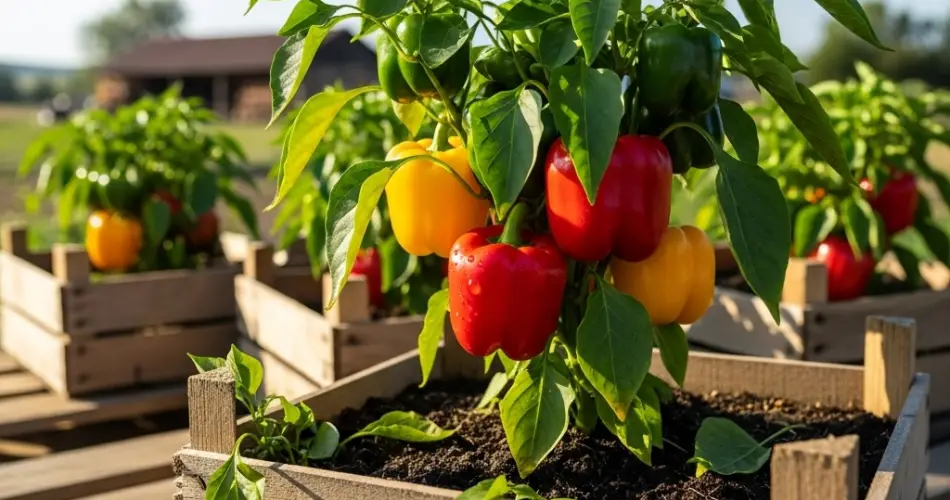
Growing peppers at home is both rewarding and surprisingly simple, especially when you use wooden crate planters. This approach is ideal for gardeners with limited space, poor soil quality, or a preference for container gardening. By building and planting in crates, you can create the perfect environment for peppers to thrive—whether you’re growing sweet bell peppers, spicy chili varieties, or ornamental types.
Why Choose Crate Planters for Peppers
Peppers need warmth, sunlight, and well-drained soil. Many home gardeners struggle with heavy or compacted ground, inconsistent moisture, or pest issues when planting directly in the soil. Crate planters offer a controlled space, allowing you to tailor growing conditions to your plants’ needs.
Advantages of growing peppers in crates:
-
Mobility: Move the crate to follow the sun or protect plants from harsh weather.
-
Improved drainage: Prevents root rot and other moisture-related issues.
-
Custom soil mix: Create the perfect blend for healthy growth.
-
Space efficiency: Perfect for patios, balconies, or small backyards.
-
Pest control: Raised containers reduce exposure to ground-dwelling insects.
Selecting the Right Crate
A good pepper planter should be sturdy, deep enough for root growth, and safe for food production.
Choosing your crate:
-
Depth: At least 12–14 inches for proper root development.
-
Material: Use untreated wood to avoid chemical leaching.
-
Base: Solid wood with drilled drainage holes or a slatted bottom lined with landscape fabric.
-
Support: Peppers can get top-heavy, so a sturdy crate prevents tipping.
Lining the crate with breathable fabric keeps soil in place while allowing water to drain freely.
Picking Pepper Varieties
The type of pepper you choose depends on flavor preference, heat tolerance, and your local climate.
-
Sweet peppers (e.g., California Wonder, Yellow Bell): Mild flavor, ideal for fresh eating.
-
Hot peppers (e.g., Jalapeño, Cayenne, Thai Chili): Add spice and grow well in crates.
-
Specialty varieties (e.g., Shishito, Mini Bells): Unique flavors and compact size.
Compact or dwarf varieties are especially well-suited for crate growing because they require less space but still produce abundantly.
Creating the Perfect Soil Mix
Peppers grow best in light, fertile, well-draining soil. A dense or clay-heavy mix will stunt growth and reduce yields.
Recommended soil mix:
-
40% high-quality potting soil
-
40% compost or aged manure
-
20% perlite or coarse sand for drainage
Mix in a slow-release organic fertilizer before planting to provide essential nutrients over time.
Planting Your Peppers
-
Start seeds indoors 6–8 weeks before the last frost, or purchase healthy seedlings.
-
Fill your crate with soil, leaving 2–3 inches from the top.
-
Plant peppers 12–18 inches apart (1–2 plants per crate, depending on size).
-
Firm the soil gently around the base and water well.
If using seedlings, transplant them once nighttime temperatures stay above 55°F, as peppers dislike cold.
Sunlight and Watering Needs
Peppers are sun-loving plants and require 6–8 hours of direct sunlight daily. Place your crate where it gets the most light, moving it if necessary.
Watering tips:
-
Keep soil consistently moist but never waterlogged.
-
Water deeply at the base to encourage strong roots.
-
Mulch with straw or shredded leaves to help retain moisture and regulate temperature.
Feeding for Maximum Yield
Once plants begin to flower, switch to a fertilizer higher in potassium and phosphorus to encourage fruit production. Liquid feeds every 2–3 weeks can help maintain steady growth and healthy yields.
Avoid excessive nitrogen, which promotes leafy growth at the expense of peppers.
Supporting Your Pepper Plants
As peppers mature, some varieties can become heavy with fruit. Use stakes or small cages inside the crate to keep stems upright and prevent breakage.
Pest and Disease Management
Growing in crates reduces the risk of soil-borne pests, but you should still watch for:
-
Aphids: Spray with water or neem oil.
-
Spider mites: Increase humidity and wash leaves periodically.
-
Pepper weevils: Remove affected fruit and monitor plants regularly.
-
Blossom end rot: Prevent by keeping soil evenly moist and ensuring adequate calcium.
Harvesting Your Peppers
-
Sweet peppers: Harvest when they reach full size and color—green for a mild taste, red or yellow for a sweeter flavor.
-
Hot peppers: Pick when fully colored for maximum heat.
-
Use pruning shears or scissors to cut peppers, leaving a short stem attached to avoid damaging the plant.
Harvest regularly to encourage continued production throughout the season.
End-of-Season Tips
At the end of the growing season, remove old plants and refresh the soil before reusing the crate for the next crop. If frost is approaching but peppers are still producing, you can move the crate indoors or into a greenhouse to extend the harvest.
Final Thoughts
Backyard crate gardening is a smart, space-saving way to grow flavorful peppers. With the ability to control soil quality, drainage, and positioning, crate planters make it easier than ever to enjoy homegrown produce, even in limited spaces. Whether you prefer sweet bell peppers for salads or fiery chilies for cooking, this method ensures a bountiful harvest right from your own backyard.


