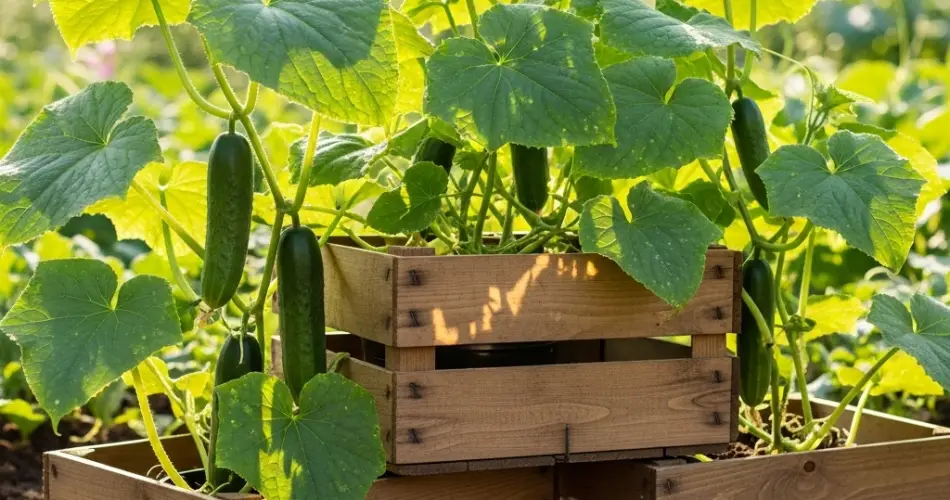
Cucumbers are a refreshing and versatile addition to any backyard garden, perfect for salads, pickling, and snacking. While traditional in-ground planting works well, using rustic wooden boxes provides a space-efficient, manageable, and visually appealing alternative. This method is ideal for small yards, patios, or even balconies, allowing gardeners to maximize yield while maintaining control over soil, drainage, and plant care.
By growing cucumbers in wooden boxes, you can ensure healthy roots, consistent soil moisture, and easier harvesting—all of which contribute to a more productive garden.
Why Use Wooden Boxes for Cucumbers?
Growing cucumbers in boxes offers multiple advantages:
-
Space Efficiency – Ideal for limited outdoor spaces.
-
Soil Control – Fill boxes with nutrient-rich, well-draining soil tailored for cucumbers.
-
Mobility – Boxes can be moved to optimize sunlight exposure or protect plants from adverse weather.
-
Pest Management – Elevated boxes reduce soil-borne pests and minimize contact with slugs or rodents.
-
Aesthetic Appeal – Rustic wooden boxes add charm to any garden area.
Selecting the Right Wooden Boxes
For healthy cucumber growth, choose boxes that are:
-
Deep Enough – At least 12–16 inches to accommodate root systems.
-
Spacious – Larger boxes allow for multiple plants with proper spacing.
-
Sturdy and Untreated – Untreated wood avoids chemical contamination and ensures durability.
-
Well-Drained – Drill holes in the bottom or use slatted designs to prevent waterlogging.
Lining boxes with landscape fabric or burlap can help retain soil while still allowing water to drain.
Choosing Cucumber Varieties
Cucumbers grow well in boxes whether you prefer slicing cucumbers for fresh eating or pickling varieties for preservation.
Slicing Varieties:
-
Marketmore 76
-
Straight Eight
-
Burpless Tasty Green
Pickling Varieties:
-
Boston Pickling
-
National Pickling
-
Homemade Pickles
For small spaces, compact bush varieties are ideal, while vining varieties can be trained vertically with trellises.
Materials Needed
-
Rustic wooden box (12–16 inches deep)
-
Quality potting mix enriched with compost
-
Cucumber seedlings or seeds
-
Trellis, stakes, or cages for vining varieties
-
Mulch (straw, shredded leaves, or coco husk)
-
Fertilizer or compost tea
-
Sunny location with 6–8 hours of direct sunlight
Planting Cucumbers in Boxes
-
Prepare the Soil
Fill the box with well-draining, nutrient-rich soil. Incorporate compost or organic fertilizer for optimal growth. -
Planting Depth and Spacing
For seedlings, plant them slightly deeper than in the nursery pots to encourage strong root development. Space plants 12–18 inches apart for bush varieties, and 18–24 inches for vining types. -
Installing Support
For vining cucumbers, install trellises, stakes, or cages at planting time. Vertical growth saves space and keeps fruit clean and straight.
Caring for Box-Grown Cucumbers
Cucumbers require consistent attention to thrive:
-
Watering – Keep soil evenly moist, particularly during flowering and fruiting stages. Avoid wetting leaves to prevent disease.
-
Feeding – Apply a balanced vegetable fertilizer or compost tea every 2–3 weeks for vigorous growth.
-
Mulching – Use a 2–3 inch layer around the base to retain moisture, regulate soil temperature, and suppress weeds.
Pruning lateral shoots for vining types encourages airflow and reduces disease risk while focusing energy on fruit production.
Managing Pests and Diseases
Even in boxes, cucumbers may encounter challenges:
-
Cucumber Beetles – Inspect plants regularly and remove beetles by hand or use insecticidal soap.
-
Powdery Mildew – Ensure good spacing, airflow, and avoid overhead watering. Resistant varieties also help.
-
Slugs and Snails – Elevated boxes reduce risk, but check soil and mulch for hiding spots.
Regular monitoring and early intervention are key to a healthy harvest.
Harvesting Cucumbers
Pick cucumbers when they reach the recommended size for their variety—usually 6–8 inches for slicing types and 3–5 inches for pickling varieties. Harvesting regularly encourages continuous production throughout the season. Use gentle twisting or cutting to avoid damaging stems.
Extending the Growing Season
If temperatures drop, move boxes to a warmer, sheltered location or provide row covers. Cucumbers will continue to produce as long as they receive adequate warmth and sunlight.
Final Thoughts
Growing cucumbers in rustic wooden boxes combines practicality, efficiency, and aesthetic appeal. By providing proper soil, support, and care, you can enjoy a steady supply of fresh cucumbers even in limited space. Boxes allow for better control over growing conditions, easier harvesting, and higher yields, making them an ideal choice for backyard gardeners looking to maximize productivity while adding a charming touch to their outdoor area.


