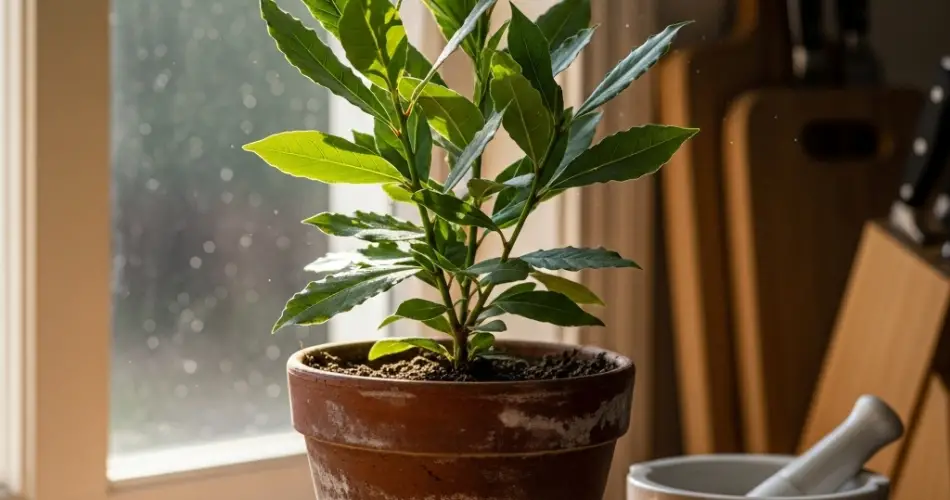
Bay, or bay laurel (Laurus nobilis), is a versatile herb known for its fragrant, glossy leaves. Its aromatic qualities enhance soups, stews, sauces, and marinades, while its elegant foliage adds decorative appeal to kitchen windowsills, patios, and small indoor gardens. Growing bay in containers is an excellent way to keep fresh leaves within easy reach and maintain control over its growth in limited spaces.
Container cultivation offers gardeners the ability to manage soil quality, watering, and sunlight exposure, ensuring a healthy, thriving plant. With proper care, potted bay laurel produces lush, evergreen foliage that can be harvested year-round for culinary use or as an ornamental plant.
Choosing the Right Container
Bay laurel develops into a substantial shrub or small tree if planted in the ground, but container-grown plants remain manageable while still providing aromatic leaves. Choose a pot at least 30–40 cm (12–16 inches) in diameter and deep enough to accommodate a robust root system.
Drainage is critical. Ensure the pot has several holes at the bottom to prevent waterlogging, which can lead to root rot. Clay, ceramic, or plastic containers are all suitable options. Clay allows for better airflow to the roots, while plastic containers are lightweight and easier to move, ideal for adjusting sunlight exposure.
Selecting and Preparing Soil
Bay laurel thrives in well-draining, fertile soil. A high-quality potting mix enriched with organic compost or well-rotted manure ensures steady growth. Avoid heavy garden soil, which can compact in pots and restrict root development.
The soil should be slightly acidic to neutral, with a pH range of 6.0–7.0. Incorporating sand or perlite enhances drainage and prevents excess moisture around the roots. Proper soil preparation encourages healthy growth, strong stems, and aromatic leaves.
Planting Bay in Containers
Bay laurel can be grown from seeds, cuttings, or young nursery plants.
-
From seedlings or nursery plants: Place the root ball slightly below the rim of the container, fill around it with soil, and firm gently to eliminate air pockets. Water thoroughly after planting.
-
From cuttings: Take semi-hardwood cuttings in late spring or early summer, dip them in rooting hormone, and plant in a well-draining potting mix. Maintain moisture until roots develop.
Ensure plants have enough space for air circulation to prevent disease and support overall vigor.
Watering and Humidity
Bay laurel prefers evenly moist soil without being waterlogged. Water thoroughly when the top 2–3 cm of soil feels dry. Indoor environments with heating may require more frequent watering.
Good drainage is essential. Occasional misting helps maintain humidity, especially indoors, and prevents leaf edges from browning. Avoid overwatering the foliage to reduce the risk of fungal diseases.
Sunlight Requirements
Bay laurel thrives in full sun but tolerates partial shade. Position your container near a south-facing window that receives at least 6 hours of direct sunlight daily. For indoor setups, supplemental grow lights can provide the necessary light if natural sunlight is limited.
Sufficient sunlight promotes dense foliage, strong fragrance, and vigorous plant growth. Insufficient light can result in slow growth and leggy stems.
Fertilizing Bay
Container-grown bay benefits from periodic fertilization, as nutrients in pots deplete quickly. Apply a balanced, slow-release fertilizer every 2–3 months during the growing season or use a diluted liquid fertilizer every 4–6 weeks.
Organic alternatives, such as compost tea or seaweed extract, help maintain healthy foliage and improve aromatic quality. Avoid excessive nitrogen, which can encourage overly rapid leaf growth at the expense of plant structure.
Pruning and Maintenance
Pruning helps maintain a compact, decorative shape and encourages bushier growth. Remove any dead, yellowing, or damaged leaves to enhance airflow and plant health.
Bay laurel responds well to shaping, making it suitable for ornamental displays on windowsills or as a small topiary. Minor trimming throughout the year ensures an attractive and manageable plant.
Harvesting Bay Leaves
Leaves can be harvested as needed for culinary use. Pick mature leaves from the outer branches while leaving inner leaves intact to maintain ongoing growth. Fresh leaves provide the most intense aroma, though bay leaves can also be dried for later use.
Frequent harvesting encourages the plant to produce new foliage and helps maintain a dense, bushy appearance.
Final Thoughts
Growing bay laurel in a sunny kitchen window container is a practical and rewarding way to enjoy aromatic leaves year-round. With well-draining soil, consistent watering, adequate sunlight, and regular pruning, container-grown bay thrives while remaining compact and manageable.
A potted bay laurel not only enhances your cooking with fresh, fragrant leaves but also adds beauty and greenery to indoor spaces, making it an ideal herb for both culinary and decorative purposes.


