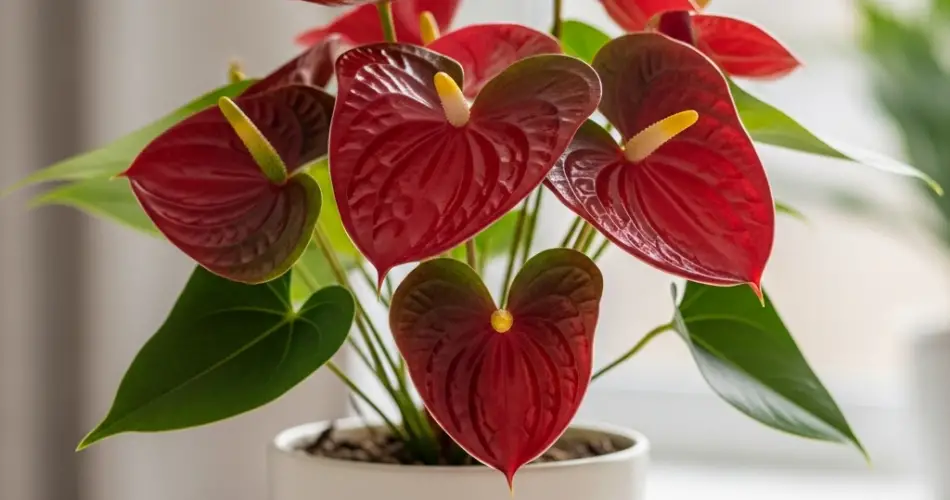
Anthuriums are known for their striking, glossy leaves and vibrant, heart-shaped flowers. These tropical plants thrive when provided with the right soil and potting conditions. While they can adapt to a range of indoor environments, getting the soil mix right is essential for maintaining healthy roots, promoting flowering, and preventing issues like root rot. This guide will walk you through the ideal soil composition, pot types, and repotting techniques for your anthurium.
Understanding Anthurium’s Natural Habitat
To mimic the best growing conditions, it helps to know where anthuriums naturally thrive. In the wild, they grow as epiphytes or semi-epiphytes in tropical rainforests, often clinging to trees or growing in loose, airy soil on the forest floor. Their roots are accustomed to excellent airflow, moderate moisture, and minimal compaction. This makes standard potting soil a poor fit—it’s often too dense and retains too much water.
The Ideal Soil Mix for Anthuriums
A well-draining, chunky, and slightly acidic soil is the key to a thriving anthurium. The goal is to maintain a balance between retaining enough moisture and allowing excess water to drain freely. Here’s what to include in a high-quality soil mix:
1. Orchid Bark or Pine Bark
This is the main component of anthurium soil because it provides aeration and structure. Bark mimics the natural environment of anthuriums and allows the roots to breathe.
2. Coco Coir or Peat Moss
Both of these materials retain moisture without becoming soggy. They help keep the roots hydrated between waterings while keeping the soil lightweight.
3. Perlite or Pumice
These add-ons increase drainage and prevent the soil from compacting. Perlite is more common, but pumice lasts longer and doesn’t float to the surface.
4. Charcoal (Optional)
Horticultural charcoal improves air circulation in the soil and helps absorb toxins, reducing the risk of root rot and fungal issues.
Sample Soil Recipe:
-
40% orchid bark
-
30% coco coir or peat moss
-
20% perlite or pumice
-
10% charcoal (optional)
Avoid using regular garden soil or heavy compost, as these can suffocate the roots and encourage fungal growth.
Choosing the Right Pot
Just as important as soil is the pot you place your anthurium in. A suitable pot should allow excess water to drain easily and prevent water from pooling at the bottom.
Consider These Pot Features:
-
Drainage Holes: Non-negotiable. Always choose a pot with adequate drainage to prevent water buildup.
-
Material: Terra cotta pots are breathable and help dry out the soil faster, which is helpful in humid or overwatered conditions. Plastic pots retain moisture longer, so they work well in drier environments.
-
Size: Choose a pot that is just slightly larger than the root ball. Too large a pot increases the risk of overwatering because the soil will retain more water than the plant can absorb.
Repotting Your Anthurium
Anthuriums benefit from being repotted every 1–2 years, or when their roots begin to crowd the container. Spring or early summer is the best time for repotting, as the plant will be actively growing and more resilient to transplant shock.
Signs It’s Time to Repot:
-
Roots growing out of the drainage holes
-
Water drains too quickly or not at all
-
The plant appears stunted or stops producing new leaves
How to Repot:
-
Gently remove the plant from its pot.
-
Shake off excess soil and inspect the roots. Trim away any dead or mushy roots with sterilized scissors.
-
Prepare your fresh, well-draining soil mix and add a layer to the bottom of the new pot.
-
Place the anthurium in the center and backfill with soil, ensuring the base of the stems is level with the soil surface.
-
Water thoroughly and let the excess drain out.
Maintenance Tips for Healthy Soil
-
Watering Routine: Only water when the top 1–2 inches of soil feel dry to the touch. Overwatering is the leading cause of anthurium problems.
-
Humidity: Anthuriums prefer high humidity. Mist the plant occasionally or use a humidifier to keep the air moist, especially if the indoor air is dry.
-
Fertilization: Feed monthly with a diluted balanced fertilizer during the growing season (spring to early fall). Avoid overfertilizing, which can damage roots.
Final Thoughts
Creating the right potting environment for your anthurium doesn’t require specialized products—just the right combination of well-draining, moisture-retentive materials. A chunky mix of bark, coco coir, and perlite will support the plant’s epiphytic roots while preventing root rot. With the proper pot and periodic repotting, your anthurium will reward you with lush foliage and vibrant flowers for years to come.


