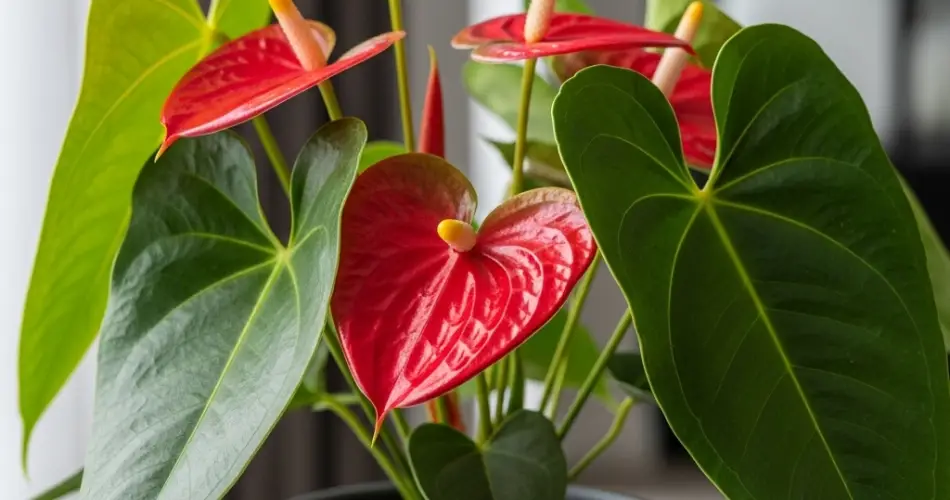
Anthuriums, often called flamingo flowers or laceleaf plants, are prized for their glossy heart-shaped leaves and striking, long-lasting blooms. Their vibrant spathes in shades of red, pink, white, or even purple add elegance to any indoor space, making them a favorite among plant lovers. While anthuriums are generally easy to care for, one of the most important factors that determines their health and flowering success is lighting. Understanding their light requirements can make the difference between a struggling plant and one that thrives with lush foliage and frequent blooms.
Natural Habitat and Light Preferences
Anthuriums are native to the tropical rainforests of Central and South America, where they grow beneath the canopy of taller trees. In these conditions, they receive bright but filtered sunlight throughout the day. This explains why anthuriums do not tolerate harsh, direct sun very well, but they also do not thrive in deep shade.
To replicate their natural environment indoors, anthuriums prefer bright, indirect light. Too much direct sunlight can scorch their leaves, while insufficient light can slow growth and reduce blooming.
How Much Light Does an Anthurium Need?
For healthy foliage and regular flowering, anthuriums need at least 6–8 hours of bright, indirect light each day. A spot near an east- or north-facing window is usually ideal, as these locations provide consistent brightness without the intense afternoon rays. If you place your anthurium near a south- or west-facing window, it’s best to use a sheer curtain to filter the light and prevent leaf burn.
In rooms with very low natural light, anthuriums may still survive but will produce fewer flowers and smaller leaves. If you want your plant to bloom consistently, ensure it receives enough brightness.
Signs of Improper Lighting
Anthuriums are sensitive enough to show clear signs when their lighting needs are not being met. Here are some common indicators:
-
Too little light: Slow or no blooming, pale leaves, elongated stems, and overall weak growth.
-
Too much light: Brown, scorched patches on the leaves, curling edges, or faded color in both leaves and flowers.
-
Ideal light: Glossy, rich green leaves with consistent flower production and steady growth.
By paying attention to these signals, you can easily adjust your plant’s placement before serious damage occurs.
Can Anthuriums Grow in Low Light?
Yes, anthuriums can grow in low-light areas, but they will not perform at their best. In darker rooms, the plant will likely produce fewer blooms and may grow more slowly. If your primary goal is to enjoy the vibrant flowers, low light is not ideal. However, if you are mainly growing anthuriums for their decorative foliage, they can adapt reasonably well to shadier conditions.
In such cases, supplementing with artificial light can make a big difference.
Using Artificial Light for Anthuriums
If your home or office lacks enough natural light, artificial lighting can support healthy anthurium growth. LED grow lights that mimic natural sunlight are excellent choices. Place the light about 12–18 inches above the plant and keep it on for around 8–10 hours daily. This ensures the plant receives enough brightness for photosynthesis and encourages regular flowering even in windowless rooms.
Fluorescent lighting, often found in workplaces, can also help anthuriums survive, though it may not be as effective at stimulating blooming compared to full-spectrum grow lights.
Seasonal Light Adjustments
The intensity and angle of sunlight change with the seasons. A location that provides excellent lighting in summer may be too dim in winter, especially in regions with shorter days. During darker months, consider moving your anthurium closer to a window or providing extra artificial light. Conversely, in summer, watch for signs of leaf burn if sunlight becomes too direct and strong.
Additional Tips for Healthy Growth
Lighting is essential, but it works in harmony with other care practices. To get the best results from your anthurium, keep these points in mind:
-
Rotate regularly: Turn the plant every few weeks so all sides receive equal light and growth remains balanced.
-
Clean the leaves: Dust can block light absorption, so wipe the foliage gently with a damp cloth.
-
Pair with proper watering: In brighter light, anthuriums may need more frequent watering, while in dimmer spots they use less water. Always let the top layer of soil dry before watering again.
-
Fertilize lightly: Use a balanced liquid fertilizer once a month during the growing season to encourage flowers.
Conclusion
Lighting plays a central role in anthurium care, directly influencing both foliage health and flower production. These tropical beauties thrive in bright, indirect light, just like the filtered sunlight of their native rainforests. While they can survive in lower-light conditions, they may not bloom as frequently. By providing consistent, gentle brightness—whether from a well-placed window or a grow light—you can enjoy vibrant leaves and colorful spathes throughout the year. With the right lighting conditions, your anthurium will reward you with beauty and elegance that lasts for many seasons.


