If you think you’re someone who “kills every plant,” you’re not alone. Many people want to bring some greenery into their homes but end up with wilting, brown, or dried-up leaves. The good news is, there are plants that can survive even in the hands of the most forgetful or inexperienced gardeners. One of the most forgiving and visually striking options is the anthurium.
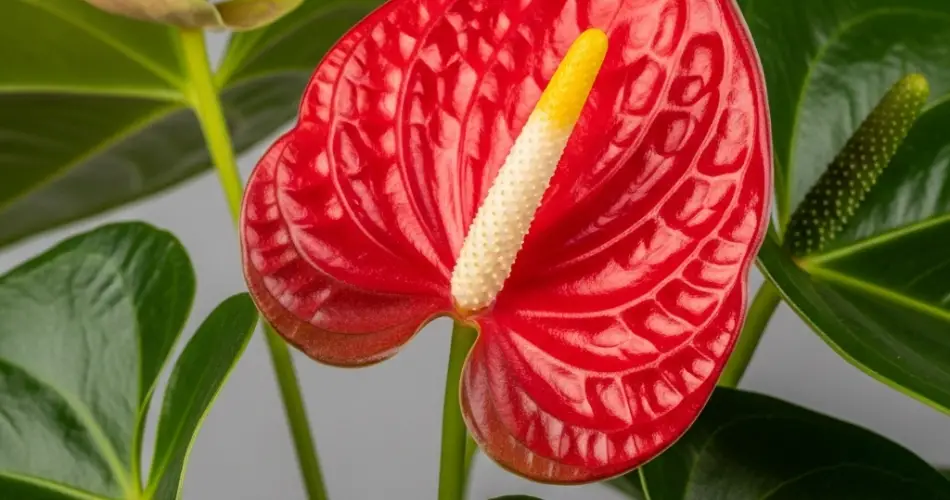
Known for its bold, heart-shaped leaves and vibrant, waxy flowers (technically called spathes), anthurium is a great option for beginners. With a few simple tips and a little understanding of what this plant needs, you can turn your “plant killer” reputation around.
Why Choose Anthurium?
Anthuriums are resilient, slow-growing houseplants that add a tropical touch to any room. Native to Central and South America, they are well adapted to indoor life. Their bold foliage and long-lasting blooms can brighten up a corner, shelf, or desk. While they do have some specific care needs, once those are met, they require little attention to thrive.
1. Start With the Right Spot
Anthuriums love light, but not direct sunlight. A bright, indirect light source is perfect. East-facing or north-facing windows are ideal. If you only have access to bright, direct sun (like from a south-facing window), place the plant a few feet back or use a sheer curtain to filter the light. Too much direct sunlight will scorch the leaves, while too little will stunt growth and reduce flowering.
2. Use the Right Pot and Soil
Drainage is critical. Choose a pot with drainage holes to prevent water from collecting at the bottom, which can lead to root rot. As for soil, anthuriums do best in a loose, well-aerated mix. You can buy a ready-made orchid mix or make your own by combining equal parts potting soil, orchid bark, and perlite. This mimics the plant’s natural environment and keeps the roots healthy.
3. Water Properly
Watering is often where beginners go wrong. The trick with anthuriums is to water only when the top inch of soil is dry. Stick your finger into the soil—if it feels dry to that depth, it’s time to water. Pour water slowly until it starts draining out the bottom. Then discard any excess water left in the saucer after 10–15 minutes. Anthuriums prefer slightly moist soil but hate being soggy.
In winter, reduce watering since the plant enters a rest period and needs less moisture.
4. Maintain Humidity and Temperature
Anthuriums are tropical, so they enjoy warm, humid conditions. Aim for a room temperature between 65–80°F (18–27°C). Avoid placing them near cold drafts, heating vents, or air conditioners.
Humidity is also key. If your home is dry, especially in winter, mist the plant occasionally or place it near a humidifier. Another trick is to set the pot on a tray filled with pebbles and water (making sure the bottom of the pot doesn’t sit directly in the water).
5. Fertilize Sparingly
To keep your anthurium healthy and blooming, fertilize every 6–8 weeks during the growing season (spring and summer). Use a balanced, water-soluble fertilizer diluted to half strength. Avoid overfeeding—it’s better to under-fertilize than overdo it, as too much can burn the roots or cause salt buildup in the soil.
6. Clean the Leaves
Dust can build up on the broad, glossy leaves, making it harder for the plant to photosynthesize. Wipe the leaves gently with a damp cloth every few weeks to keep them clean and shiny. This also gives you a chance to check for any signs of pests or disease.
7. Watch for Common Problems
Even low-maintenance plants can develop issues if neglected. Yellow leaves usually mean overwatering, while brown leaf tips often point to low humidity. If your plant isn’t flowering, it may need more light or a bit of fertilizer. Spider mites and aphids can occasionally show up, so inspect your plant periodically and treat any infestations with insecticidal soap or neem oil.
8. Repot When Needed
Anthuriums don’t need frequent repotting—about every 2–3 years is enough. When roots start to peek out from the drainage holes or the plant looks too crowded, it’s time for a slightly larger pot and fresh soil mix.
Conclusion
Even if you’ve struggled to keep plants alive in the past, you can grow a healthy, thriving anthurium. By understanding a few basic care principles—light, water, humidity, and good soil—you’ll find that these beautiful tropical plants are much easier than they look. Start with one, follow these simple tips, and watch your confidence as a plant owner grow along with your anthurium.


