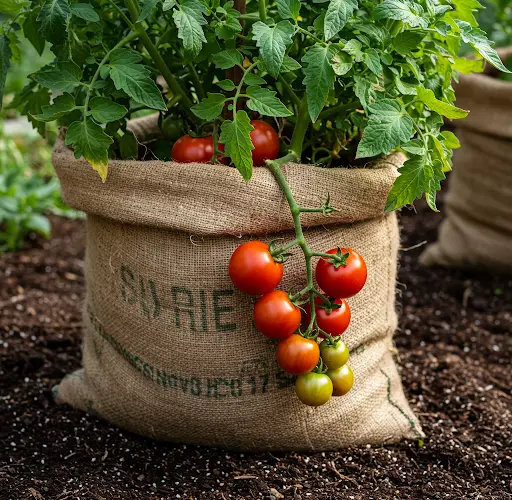
Amazing Tomato Garden at Home – The Most Creative and Economical Ideas
Tomatoes are among the most popular vegetables to grow at home—and for good reason. They’re versatile in the kitchen, easy to grow, and incredibly rewarding. Whether you live in an apartment with a small balcony or have limited yard space, you can still enjoy a productive tomato garden using creative, low-cost ideas.
With a little innovation and some repurposed materials, you can grow tomatoes that are not only healthy and delicious but also cost next to nothing to cultivate. Here’s how to build a thriving tomato garden at home, using economical methods and a touch of creativity.
Why Tomatoes?
Tomatoes are relatively quick to grow, highly productive, and suitable for small-space gardening. They’re perfect for container growing, hanging planters, and even vertical structures. Plus, the taste of homegrown tomatoes is far superior to store-bought varieties—juicier, sweeter, and completely free of chemicals if grown organically.
What You’ll Need
Getting started doesn’t require expensive equipment. Most of the materials can be found around the house or picked up inexpensively:
-
Tomato seeds or seedlings
-
Containers (plastic buckets, old pots, fabric grow bags, or recycled bottles)
-
Organic potting soil or compost-rich garden soil
-
Stakes, sticks, or trellises for support
-
Watering can or spray bottle
-
Sunny spot with at least 6 hours of light daily
Optional: Eggshells, banana peels, or compost for natural fertilizers.
Creative and Budget-Friendly Growing Ideas
1. Grow in Recycled Containers
Don’t throw away those old buckets, tin cans, or large plastic bottles. With a few drainage holes poked in the bottom, they make excellent containers for tomato plants. Just ensure they’re at least 12 inches deep to give the roots room to spread.
Place your containers on a balcony, windowsill, or any sunny corner. You can also group them together for a mini patio garden.
2. Hanging Tomato Baskets
Upside-down tomato growing is a popular and space-saving method. Use a sturdy hanging container (like a recycled paint bucket or large bottle), cut a small hole in the bottom, and plant the tomato upside down. Add soil from the top and let the plant grow downward.
This method prevents pests and makes watering easier, while also looking very decorative.
3. DIY Vertical Tomato Towers
Vertical gardening helps maximize space and can be done using a wooden frame, wire mesh, or stacked plastic crates. Insert your tomato containers into the tower structure and train the vines to grow upward. Vertical gardens not only save floor space but also improve air circulation, reducing the risk of disease.
4. Use Organic Waste as Fertilizer
Skip the synthetic fertilizers. Use crushed eggshells, banana peels, coffee grounds, and vegetable scraps to feed your plants naturally. These kitchen leftovers are rich in potassium, calcium, and nitrogen—all vital nutrients for healthy tomato growth.
You can bury small amounts directly into the soil or mix them into a compost pile if you have one.
5. Self-Watering Plastic Bottle System
For a no-fuss watering method, create a self-watering system using a 1-liter plastic bottle. Make small holes in the cap, fill the bottle with water, and bury it upside down near the tomato plant. The slow release of water keeps the soil moist and reduces the need for daily watering.
This is especially useful during hot weather or when you’re away from home.
Tomato Plant Care Tips
-
Sunlight: Tomatoes need full sun—at least 6–8 hours a day.
-
Watering: Keep the soil consistently moist, but not soggy. Water at the base to avoid wetting the leaves.
-
Pruning: Remove the small shoots (suckers) that grow between the stem and leaf branches. This helps direct energy to fruit production.
-
Support: Use a trellis, cage, or simple bamboo stakes to keep the plant upright and reduce breakage.
-
Pollination: If growing indoors, gently shake the plants to help with pollination, or hand-pollinate flowers using a soft brush.
Harvesting and Enjoying
Tomatoes typically take 60–85 days from planting to harvest, depending on the variety. When the fruits turn bright red (or yellow, depending on type), and are slightly soft to the touch, they’re ready to pick.
Harvest regularly to encourage more fruit production. Freshly picked tomatoes can be eaten raw, turned into sauces, or preserved for later use.
Final Thoughts
With a bit of imagination and a few household items, you can grow a lush tomato garden right at home without breaking the bank. These creative and economical ideas make it possible for anyone—regardless of space or experience—to enjoy the satisfaction of growing their own tomatoes.
Whether you’re a beginner or just want a more sustainable way to garden, these tips can help you turn small spaces into productive tomato-growing zones. Start with a single plant, and you might be amazed by how much you can harvest—and how fun it is to grow your own food.


