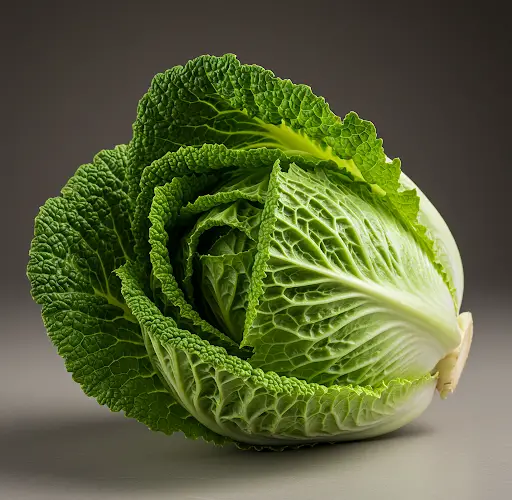
Don’t have a garden? That’s no problem if you’re dreaming of growing your own fresh vegetables at home—especially something as delicious and versatile as Napa cabbage. Also known as Chinese cabbage, this leafy vegetable is a popular ingredient in Asian cuisine and a favorite for dishes like kimchi, stir-fries, and soups. The good news? You don’t need a traditional garden space to grow it successfully.
With a few clever techniques and everyday items, you can grow healthy Napa cabbage on a balcony, patio, rooftop, or even indoors near a sunny window. This method is perfect for beginners, urban dwellers, and anyone interested in homegrown produce with minimal space.
Why Grow Napa Cabbage?
Napa cabbage is a cool-season vegetable known for its soft, crinkled leaves and sweet, mild flavor. It’s rich in fiber, vitamin C, and antioxidants, making it a great addition to a healthy diet. Unlike head cabbage, Napa is faster-growing and more tolerant of container cultivation.
Growing your own not only ensures chemical-free freshness but also reduces your grocery bill and gives you the joy of harvesting your own food—no backyard needed.
What You’ll Need
Here’s what you need to grow Napa cabbage without a garden:
-
Napa cabbage seeds or seedlings
-
Large containers or recycled containers (such as buckets, plastic tubs, or fabric grow bags)
-
Potting soil with good drainage
-
Compost or organic fertilizer
-
A sunny location (at least 5–6 hours of sunlight per day)
-
Watering can or spray bottle
Choosing the Right Container
Napa cabbage needs room to grow, so choose a container that’s at least 12 inches deep and 12–18 inches wide. Larger containers allow better root development and moisture retention. Make sure the container has good drainage holes to prevent waterlogging, which can cause root rot.
You can use:
-
Plastic storage bins
-
Old buckets
-
Wooden crates lined with plastic
-
Large plant pots
-
Fabric grow bags
Tip: Recycle what you have! Just make sure to drill or poke holes at the bottom if your container doesn’t have drainage.
Preparing the Soil
Napa cabbage prefers loose, fertile soil that retains moisture without becoming soggy. Use a high-quality potting mix blended with compost or well-rotted manure to boost nutrients. If you’re making your own mix, a good ratio is:
-
2 parts potting soil
-
1 part compost
-
1 part coconut coir or perlite (for drainage)
Aim for a soil pH of 6.0 to 7.5. Napa cabbage is a heavy feeder, so nutrient-rich soil is key for big, healthy heads.
Planting Napa Cabbage
From Seeds:
-
Sow seeds 1/4 to 1/2 inch deep in the center of your container.
-
Thin the seedlings once they have 2–3 leaves, keeping only the strongest one per container.
-
Water gently to keep the soil moist, not soaked.
From Seedlings:
-
Transplant seedlings when they have at least 4–5 true leaves.
-
Place them in the center of the container, burying the root ball completely.
-
Press the soil gently around the base and water thoroughly.
Spacing is important—even in containers. If you’re using a long box or large tub, space plants at least 12–14 inches apart.
Sunlight and Watering
Napa cabbage loves sunlight, so choose a bright location with at least 5–6 hours of direct sun per day. On very hot days, some afternoon shade can help prevent bolting (premature flowering).
Keep the soil consistently moist but not soggy. Water deeply every few days, depending on the temperature and humidity. Inconsistent watering can lead to bitter leaves or cracked heads.
Tip: Mulch the surface with dry grass, straw, or shredded newspaper to help retain moisture and keep the soil cool.
Fertilizing for Best Growth
Napa cabbage is a heavy feeder. Once your plants are established, feed them every 2–3 weeks with:
-
A balanced organic fertilizer
-
Diluted fish emulsion or compost tea
-
Slow-release granules mixed into the soil
This promotes lush leaf growth and head formation.
Protecting Your Crop
Even in containers, pests may find your cabbage. Watch for:
-
Aphids: Spray with soapy water or neem oil.
-
Cabbage worms: Pick them off by hand or use a light dusting of food-safe diatomaceous earth.
-
Snails and slugs: Set up beer traps or crushed eggshell barriers.
Covering your containers with fine mesh or row covers can also keep unwanted insects away.
Harvesting Napa Cabbage
Depending on the variety, Napa cabbage is usually ready to harvest in 60 to 80 days. You’ll know it’s ready when the head feels firm and dense. Use a sharp knife to cut the head at the base.
If you want continuous harvests:
-
Leave the root and lower leaves in the container.
-
New shoots will sprout from the base and can be harvested again.
Final Thoughts
Growing Napa cabbage without a garden is not only possible—it’s fun, efficient, and rewarding. With just a container, some soil, and a sunny spot, you can enjoy fresh, crisp cabbage right from your balcony, patio, or even windowsill.
This method is perfect for people living in apartments or homes without yard space. Plus, it gives you the satisfaction of producing your own healthy food in a small, manageable way. Try growing it once, and you may never go back to store-bought cabbage again.


