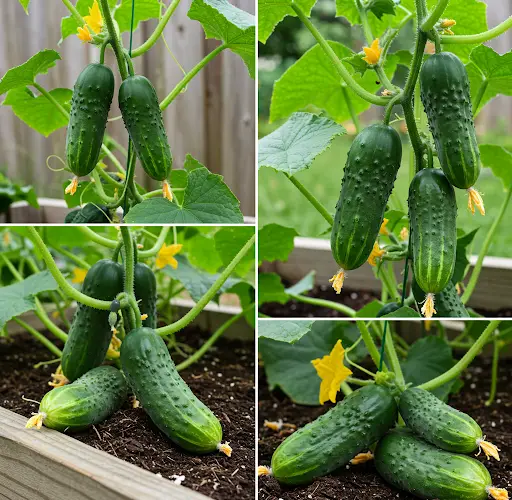
Grow Cucumbers at Home Easily with Automatic Watering for a Big Harvest
Cucumbers are a refreshing, crisp, and nutritious vegetable that thrives in warm weather and can be grown easily at home—even in small spaces. With the right setup and a bit of care, it’s possible to produce an abundance of cucumbers in your backyard, balcony, or terrace. What makes this method particularly effective is the use of an automatic watering system, which ensures consistent hydration and helps the plants flourish without requiring daily maintenance.
Whether you’re a seasoned gardener or a beginner, this guide will walk you through an easy and highly productive method to grow cucumbers at home.
Why Grow Cucumbers at Home?
There are many great reasons to grow your own cucumbers:
-
Freshness: You get to harvest cucumbers at their peak ripeness.
-
Pesticide-Free: You can grow them organically and avoid harmful chemicals.
-
Space-Saving: With vertical growing and containers, they can thrive in limited areas.
-
Cost-Effective: Just a few plants can yield a surprisingly large harvest.
Plus, homegrown cucumbers tend to be sweeter and crunchier than store-bought ones!
Materials You Will Need
To get started with growing cucumbers at home using an automatic watering system, here’s what you’ll need:
-
Cucumber seeds or young seedlings (choose a variety suited for containers if growing in pots)
-
Planting containers or grow bags (at least 30–40 cm deep)
-
Good-quality potting mix or well-draining soil enriched with compost
-
Trellis or vertical support (like bamboo poles or netting)
-
Automatic watering system (a simple DIY gravity drip setup or irrigation kit)
-
Mulch (optional, for moisture retention)
Step-by-Step Guide to Growing Cucumbers at Home
Step 1: Choose the Right Location
Cucumbers love sunlight. Select a spot that receives at least 6–8 hours of direct sunlight each day. A sunny balcony, rooftop, or backyard is ideal. Good air circulation is also important to prevent mildew and promote strong growth.
Step 2: Prepare the Containers
Fill your containers or grow bags with a mixture of potting soil and compost. A light, fertile, and well-draining mix is essential. You can also mix in a handful of aged manure or organic fertilizer to boost soil nutrition.
Ensure the container has proper drainage holes at the bottom to prevent waterlogging.
Step 3: Planting Seeds or Seedlings
You can either sow cucumber seeds directly or transplant young seedlings. If sowing from seed, place 2–3 seeds per container, about 2 cm deep. Keep the soil moist, and seedlings should sprout within a week.
Once they develop a few true leaves, thin them out by keeping the strongest plant and removing the others.
Step 4: Set Up Vertical Support
Cucumbers are vining plants and need vertical support to climb. Set up a trellis, netting, or bamboo stake system early, so the plant can start climbing as it grows. Vertical growth not only saves space but also increases air circulation and makes harvesting easier.
Automatic Watering System
The key to a stress-free cucumber garden is consistent moisture—and that’s where an automatic watering setup becomes a game-changer.
Option 1: DIY Gravity Drip System
You can use a large water container (like a 5-liter bottle or bucket) and place it slightly above the level of your pots. Poke small holes in the bottom or use a drip hose, allowing water to slowly and consistently reach the roots.
Option 2: Drip Irrigation Kit
For a more refined system, use a low-cost drip irrigation kit available online or at garden stores. These come with adjustable drippers and can be connected to a timer for even more automation.
Automatic watering keeps the soil evenly moist, which cucumbers love. Avoid letting the soil dry out completely or become overly soggy—both conditions can stress the plant and reduce yield.
Care Tips for a Bountiful Harvest
-
Fertilization: Feed the plants every two weeks with an organic liquid fertilizer or compost tea, especially when they begin to flower and fruit.
-
Pollination: If you’re growing indoors or in an enclosed area, hand-pollinate flowers using a small brush or by gently shaking the plant.
-
Pruning: Remove old, yellowing leaves to improve air circulation and encourage more energy into fruit production.
-
Pest Control: Check regularly for aphids or mites. Neem oil or a mild soapy water spray can help manage pests organically.
Harvesting Cucumbers
Cucumbers grow fast once the plant starts fruiting. Harvest them when they’re firm, dark green, and about 15–20 cm long—before they become overly large or bitter. Frequent harvesting encourages the plant to produce more fruit.
Typically, you can start harvesting 50–60 days after sowing, depending on the variety.
Conclusion
With just a few containers, a vertical trellis, and a simple automatic watering system, anyone can grow a highly productive cucumber garden right at home. This method saves time, conserves water, and delivers fresh, crunchy cucumbers almost daily during the growing season.
Whether you’re gardening on a balcony, terrace, or small backyard, this is one of the most rewarding and efficient crops to grow at home. Try it once, and you may never need to buy cucumbers again!


