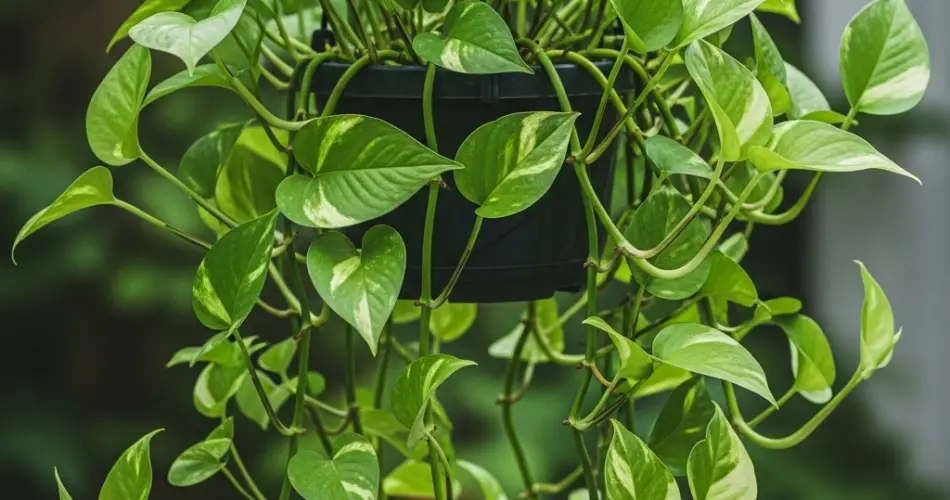
If you’re looking for a houseplant that is beautiful, easy to care for, and packed with benefits, the Pothos (also known as Devil’s Ivy or Epipremnum aureum) might just be the perfect plant for you. With its lush, trailing vines and heart-shaped leaves, the pothos is more than just an attractive decorative plant — it’s also incredibly hardy, air-purifying, and nearly impossible to kill.
Once you understand how low-maintenance and beneficial this plant is, you may not want to fill your space with anything else. Here’s everything you need to know about pothos, from its ideal growing conditions to its surprising advantages in your home.
Why Is Pothos Considered a “Treasure” Plant?
Pothos is one of the most popular indoor plants worldwide, and for good reason. Not only does it grow well in a wide range of conditions, but it also brings a vibrant, tropical look to any space. Its ability to thrive on neglect makes it a favorite for busy people or first-time plant owners.
There are several varieties of pothos, including:
-
Golden pothos – Classic green leaves with yellow variegation
-
Marble Queen pothos – White and green speckled foliage
-
Neon pothos – Bright lime-green leaves
-
Jade pothos – Solid, deep green foliage
All varieties offer the same benefits and ease of care, with slightly different visual styles to suit your space.
Ideal Conditions for Growing Pothos Indoors
One of the reasons pothos is so beloved is that it adapts to a wide range of indoor environments.
1. Light Requirements
Pothos prefers bright, indirect light but can tolerate low light conditions, making it perfect for offices, bathrooms, and darker corners of the home.
-
Avoid direct sunlight, which can scorch the leaves.
-
In low light, growth may slow, and variegated varieties may become more solid green.
2. Watering
This plant is drought-tolerant and does not like sitting in wet soil.
-
Water only when the top 2–3 cm (1 inch) of soil feels dry.
-
Make sure the pot has drainage holes to prevent root rot.
-
In cooler months, reduce watering frequency.
3. Temperature and Humidity
Pothos thrives in average room temperatures between 18°C and 24°C (65°F to 75°F).
-
Keep it away from cold drafts or heating vents.
-
While it enjoys humidity, it can tolerate dry air better than most tropical plants.
Soil and Repotting
Use a well-draining all-purpose potting mix. You can also mix in perlite or orchid bark to improve aeration.
-
Repot every 1–2 years or when the roots become too crowded.
-
Pothos can also grow in water alone, making it a great option for decorative jars or vases.
Pruning and Propagation
Pothos grows quickly and may need trimming to keep it tidy.
-
Prune vines regularly to encourage bushier growth.
-
Use clean scissors to cut just above a leaf node (where a leaf meets the stem).
Propagation is simple:
-
Cut a healthy vine below a node.
-
Place the cutting in water or moist soil.
-
Roots typically appear within 2–4 weeks.
This makes pothos an ideal plant to multiply or share with others.
Benefits of Having a Pothos at Home
Beyond its beauty and ease of care, pothos offers several advantages:
1. Air Purification
NASA’s Clean Air Study lists pothos as a plant that helps filter common indoor air pollutants like formaldehyde, benzene, and xylene. While not a replacement for ventilation, pothos can contribute to cleaner indoor air.
2. Mood and Productivity Booster
Studies have shown that indoor plants can improve mood, reduce stress, and even enhance productivity. Pothos, with its lush greenery, is known to create a calming, pleasant atmosphere — whether in a home office, kitchen, or bedroom.
3. Versatile Decor
With its trailing vines, pothos looks stunning in hanging baskets, on shelves, or trained to climb supports like moss poles. Its adaptability makes it suitable for both modern and rustic spaces.
4. Low Maintenance
Forgetful waterer? No problem. Pothos forgives occasional neglect and recovers quickly from drooping when watered again.
Is Pothos Safe Around Pets?
It’s important to note that pothos is toxic to pets if ingested. The plant contains calcium oxalate crystals, which can cause irritation to the mouth and digestive tract in cats and dogs. Always place pothos out of reach of curious pets or consider pet-safe alternatives if this is a concern.
Final Thoughts
If you’re looking for a plant that checks all the boxes — low maintenance, fast-growing, beautiful, and beneficial — the pothos is a plant worth having in every room. Its ability to adapt, thrive, and purify the air makes it an excellent choice for beginners and seasoned plant lovers alike.
After discovering all that this “treasure plant” offers, you might find yourself collecting more varieties of pothos rather than exploring other houseplants. And why not? It’s easy, rewarding, and brings a vibrant, natural touch to your living space without demanding much in return.


