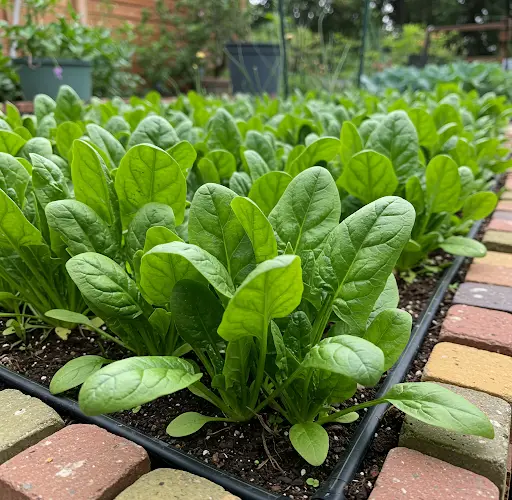
A Simple and Effective Way to Grow Spinach in Elevated Spaces
Growing your own spinach at home is both rewarding and practical. Whether you have a small balcony, limited yard space, or want to grow greens in a cleaner, more organized way, cultivating spinach in an elevated setup is a smart solution. Spinach is a fast-growing, nutrient-rich leafy green that thrives in containers, making it perfect for vertical gardening or raised beds. Here’s a step-by-step guide to help you grow fresh, healthy spinach in elevated spaces.
Why Grow Spinach in Elevated Containers?
Elevated or vertical growing systems have many benefits, especially for leafy greens like spinach:
-
Better pest control: Plants are less accessible to ground-dwelling pests and insects.
-
Improved drainage: Elevation prevents waterlogging and root rot.
-
Convenient access: No need to bend or squat while tending or harvesting.
-
Efficient space usage: Ideal for balconies, rooftops, patios, or urban gardens.
You can use plastic crates, wooden stands, metal frames, or even repurposed furniture as elevated garden beds. The key is to ensure that the structure is sturdy, gets enough sunlight, and has good drainage.
Choosing the Right Container
Spinach doesn’t require deep soil, so shallow containers (at least 6-8 inches deep) are sufficient. Use rectangular plastic bins, grow trays, or wide containers with drainage holes at the bottom. The width is more important than depth, as spinach roots are shallow but spread horizontally.
Before planting, clean the containers thoroughly and drill drainage holes if they don’t already have them. Adding a mesh or small stones at the bottom can also help prevent soil from clogging the holes.
Preparing the Soil Mix
Spinach thrives in loose, nutrient-rich, and well-draining soil. A good mix for container spinach includes:
-
40% garden soil or loam
-
30% compost or aged manure
-
20% coco peat or coconut coir for moisture retention
-
10% sand or perlite for aeration and drainage
Mix thoroughly before adding to your containers. You can also pre-moisten the mix slightly before planting to give seeds or seedlings a good start.
Sowing Spinach Seeds
You can sow spinach directly into the container. Scatter the seeds evenly across the surface, spacing them about 2 inches apart. Lightly cover them with a thin layer of soil—no more than half an inch.
Water gently after sowing, keeping the soil moist but not soaked. Germination typically takes 5 to 10 days. If seedlings are too crowded after sprouting, thin them out by snipping the weaker ones at the base. This gives stronger plants more room to grow.
Ideal Growing Conditions
-
Sunlight: Spinach needs 4 to 6 hours of sunlight daily. In very hot climates, partial shade in the afternoon helps prevent bolting.
-
Watering: Keep the soil consistently moist but avoid overwatering. Water early in the day to allow foliage to dry before nightfall.
-
Temperature: Spinach grows best in cool to mild temperatures (15°C to 25°C or 59°F to 77°F). In hot regions, it’s best to plant in early spring or late autumn.
Fertilizing Spinach
Spinach is a leafy vegetable, so it needs plenty of nitrogen. Add organic compost or a nitrogen-rich liquid fertilizer every 10 to 14 days to boost leaf production. Vermicompost, fish emulsion, or compost tea are great organic options.
Avoid over-fertilizing, as this can lead to excessive leaf growth with poor taste. Balance is key—healthy green leaves with good flavor are the goal.
Pest and Disease Management
While spinach is generally low-maintenance, you may occasionally encounter pests like aphids, leaf miners, or caterpillars. Neem oil spray or a simple soap-and-water solution can deter most soft-bodied insects. Keep the plants well-spaced for air circulation to reduce the risk of fungal diseases.
If you see yellowing leaves or wilting, check for poor drainage or fungal issues in the roots. Remove affected leaves promptly.
Harvesting Spinach
You can begin harvesting spinach leaves as soon as they are large enough to eat—usually 3 to 4 weeks after sowing. Pick the outer leaves first, allowing the inner ones to continue growing. Regular harvesting encourages new leaf growth and extends the life of the plant.
For baby spinach, harvest the entire plant when it’s still young and tender. For mature leaves, stagger harvesting to keep a continuous supply.
Final Tips
-
Water spinach at the base rather than on the leaves to avoid fungal issues.
-
Use mulch or dry straw on the soil surface to retain moisture and suppress weeds.
-
Rotate your crops if replanting in the same container to avoid soil fatigue.
Growing spinach in elevated containers is a simple, clean, and space-saving method that suits both beginners and seasoned gardeners. With just a bit of care and the right setup, you’ll enjoy a steady supply of fresh, organic spinach right from your home—no ground space required.


