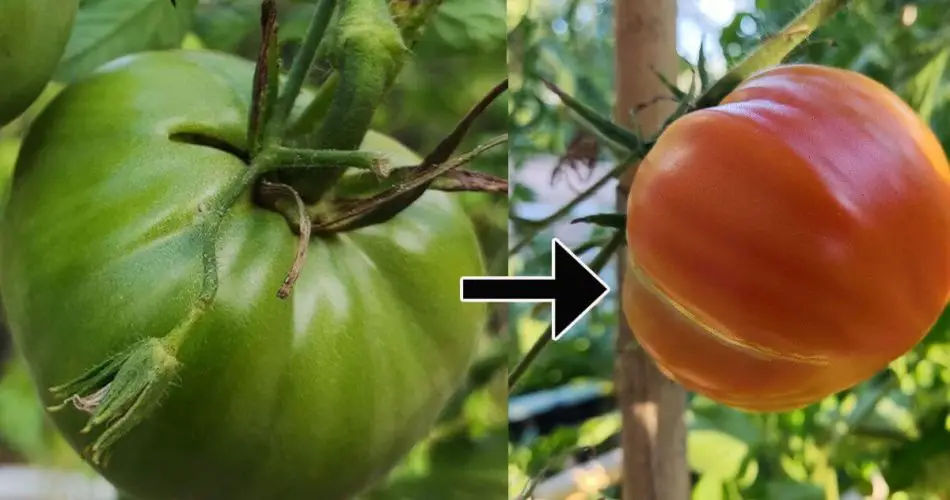
As the transition from summer to fall approaches, many gardeners find themselves grappling with the challenge of coaxing green tomatoes into vibrant red ripeness. The anticipation of a bountiful harvest can be thwarted by the reluctance of tomatoes to change color. Fret not, for there are techniques that seasoned gardeners employ to expedite this process. In this guide, discover eight innovative secrets and tips to swiftly turn your green tomatoes into a colorful symphony on the vine.
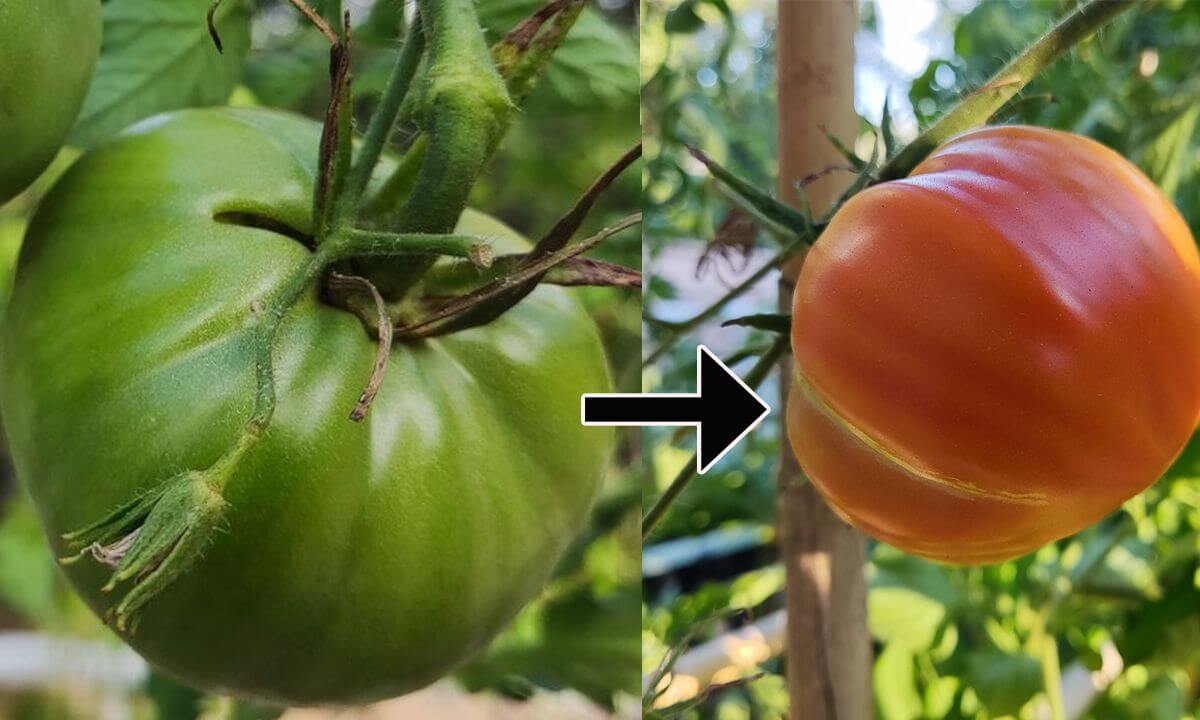
1. Topping a Tomato Plant: Beyond the routine removal of suckers, topping a tomato plant involves a strategic cut to the main stem. Redirecting the plant’s energy from new growth to existing fruit, this technique accelerates the ripening process. Green tomatoes picked before frost stand a better chance of maturing indoors, ensuring a flavorful harvest.
2. Provide Shade in Extreme Heat: When faced with extreme temperatures above 30°C, tomato plants may pause the production of essential ripening elements like carotene and lycopene. Introducing shade to your plants during heatwaves helps maintain an optimal environment for ripening. This not only encourages maturation but also prevents sun scorch, safeguarding the health of your tomato plants.
3. Regular Harvesting Stimulates Ripening: Promptly harvest tomatoes as they begin to show color, fostering the growth of other fruits. Simultaneously trim supporting vines to streamline energy towards ripening. Avoid leaving overripe fruit on the vine, as it hampers productivity, attracts pests, and promotes diseases. Keep your tomato plants robust by replacing exhausted ones with suitable autumn crops.
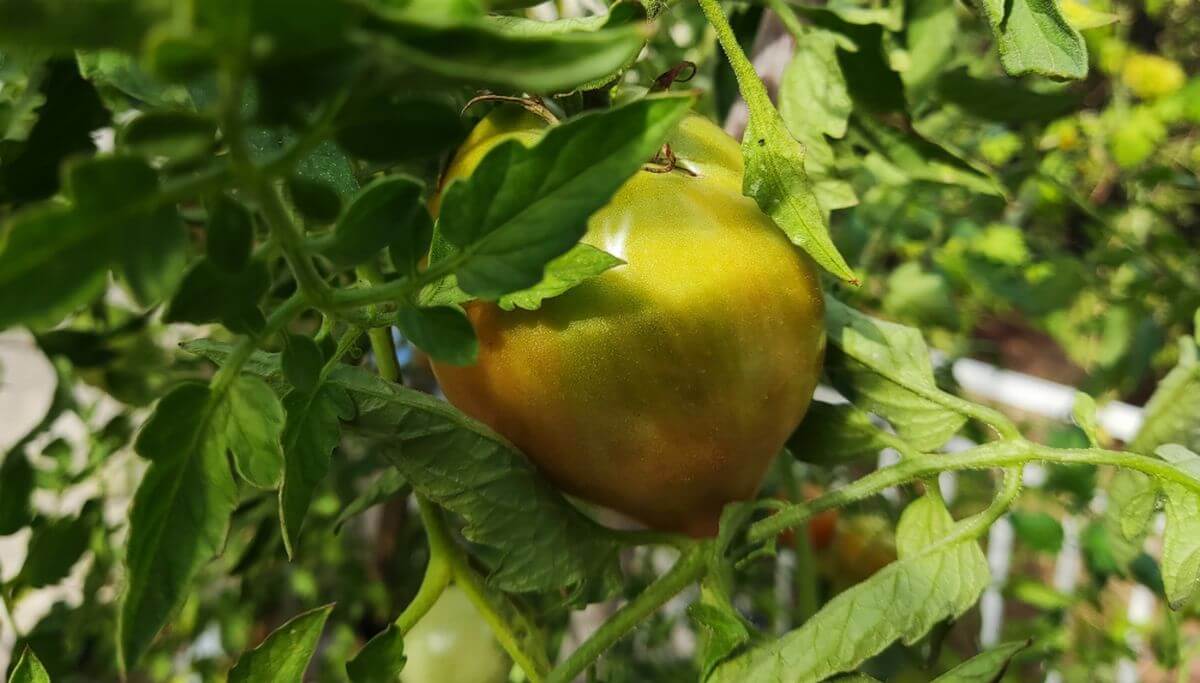
4. Pinching Tomato Suckers: Tomato suckers, though harmless, divert energy from the plant. Regularly removing these small shoots is a pivotal pruning task. This encourages the plant to focus its resources on existing fruit, hastening the ripening process.
5. Remove Flowers for Efficient Energy Use: Eliminate flowers that won’t produce ripe fruit, especially as summer progresses. Prune off all flowers until the plant reaches a height of 30 to 40 cm, allowing it to channel energy towards root development. This proactive approach maximizes the plant’s efficiency in directing energy where it’s needed most.
6. Adjust Watering to Encourage Ripening: Fine-tune your watering routine to send a signal for fruit ripening. Reduced water availability prompts the plant to channel energy into ripening fruit instead of producing new shoots. This strategic adjustment aligns with the plant’s natural inclination to prioritize maturation during periods of water scarcity.
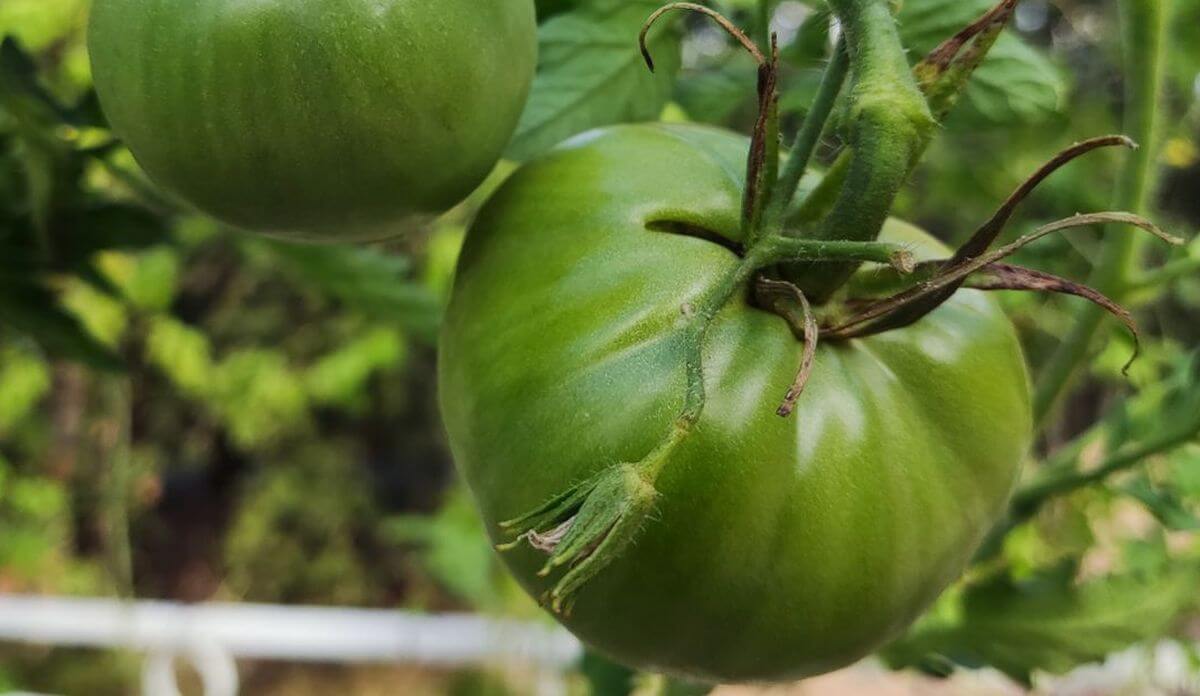
7. Trim Diseased Leaves: Regularly inspect your tomato plants for yellowed leaves, mold, or spots. Prune diseased leaves promptly to prevent energy diversion towards combating diseases. This focused care ensures the plant’s vitality is dedicated to the crucial task of turning tomatoes red.
8. Remove Small Tomatoes: While parting with small tomatoes may be challenging, it is a beneficial step. Small tomatoes are unlikely to ripen fully, and removing them redirects the plant’s resources to nurture larger, green tomatoes on their journey to ripeness.
Conclusion: Armed with these eight secrets, you’re equipped to navigate the final stages of tomato ripening. Share your own tips and experiences as we collectively celebrate the art and science of coaxing green tomatoes into a vibrant red spectacle before the arrival of fall and the first frost