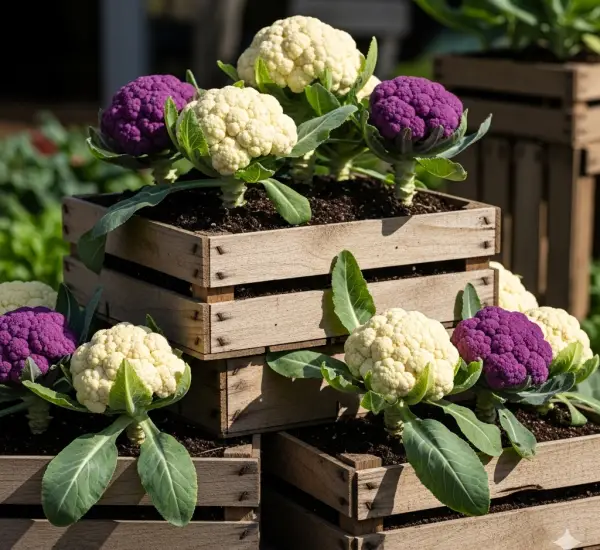
As winter descends, it brings with it the challenges of a long and harsh season, varying across regions. For gardening enthusiasts, this marks a crucial period to prepare the garden for the upcoming cold and anticipate a successful spring planting. Jean Baptiste shares 10 invaluable steps to ease the transition from winter to spring, ensuring a bountiful harvest in the new gardening year.

1. Seed Collection for the Next Season:
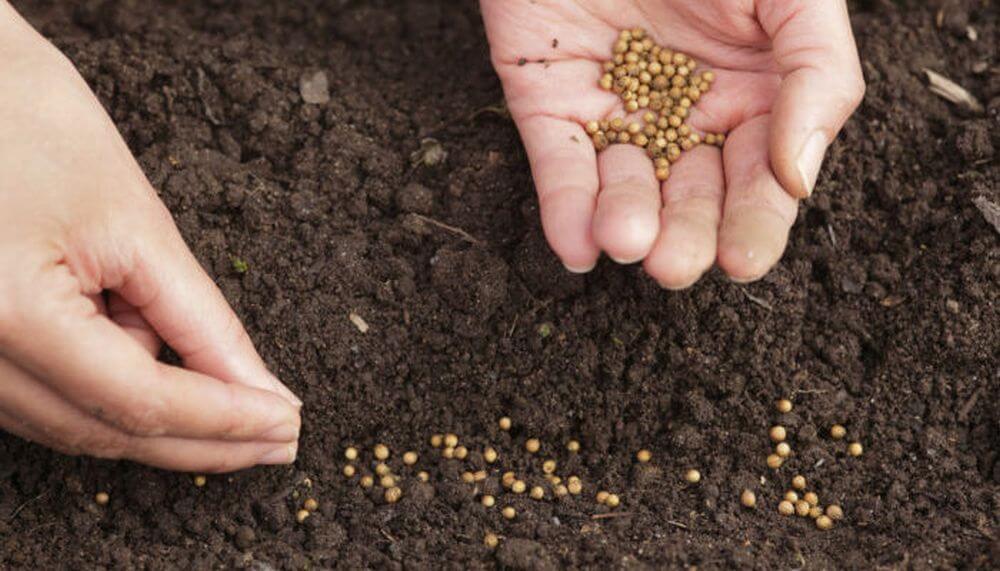
Save the joy of your garden by collecting seeds in the fall. Discover the simple yet rewarding practice of preserving seeds from various vegetables and flowers. From potatoes to marigolds, this step not only ensures a sustainable garden but also adds a personal touch to your planting routine.
Pro Tip: Learn the art of seed-saving and unlock a world of self-sufficiency in gardening.
2. Clearing Out Debris:
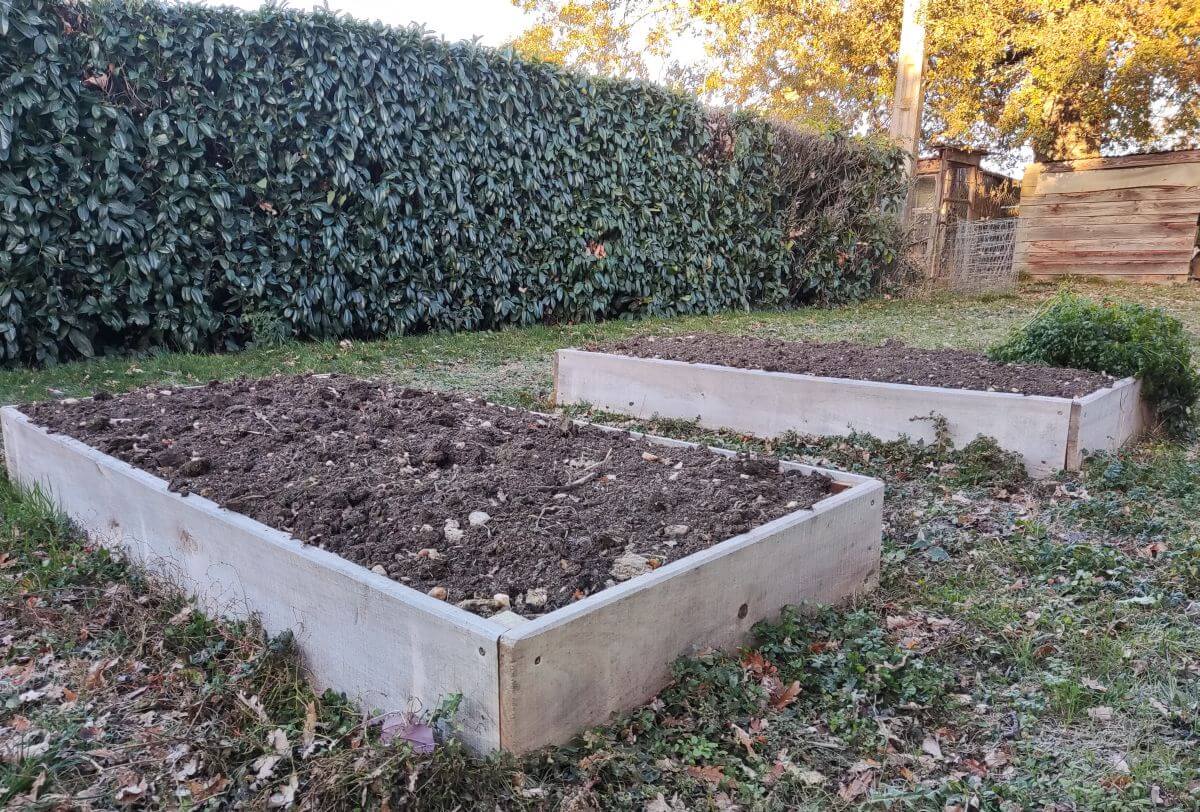
Bid farewell to the remnants of the growing season. Clear garden beds of dead plants and stubborn weeds to pave the way for seamless spring planting. Uprooting weeds along with their roots pays dividends when the ground becomes workable again. Decomposed vegetable plants can even be returned to the soil, enriching it with valuable nutrients.
Gardening Wisdom: Make your garden beds winter-ready for a hassle-free start in spring.
3. Soil Cleanup:
As you work the soil, eliminate obstacles such as stones, clay blocks, or compacted areas. Raking the soil surface during the process ensures a smooth and fertile ground for upcoming plantings.
Pro Tip: Tending to your soil now sets the stage for a flourishing garden in the seasons to come.
4. Soil Analysis:
While not mandatory, testing your garden soil in fall can be immensely beneficial. Soil test kits measure essential elements like pH, nitrogen, phosphate, and potash. Identifying deficiencies or excesses allows for targeted amendments in the fall, providing ample time for the soil to adapt before spring.
Gardening Insight: Enhance plant health by addressing soil nutrient levels in advance.
5. Embrace Composting:
Fuel your garden’s vitality by incorporating compost. Whether following the “no-till” method or using a tiller, adding a layer of compost in fall enhances soil structure and nutrient content. The fall application allows compost to decompose gradually, maximizing its benefits for the upcoming growing season.
Fun Fact: Discover the wonders of composting and its transformative effects on soil health.
6. Fall Planting:
Extend your gardening horizon by considering fall planting. Garlic, scallions, and certain perennials like rhubarb and strawberries can be planted during this season. Seize the opportunity to plan for a diverse and resilient garden that yields early in spring.
Garden Innovation: Explore the world of fall planting for a head start on next year’s harvest.
7. Deep Watering for Perennials:
Provide a protective shield for perennial plants, trees, and bushes before winter strikes. Deep watering in mid to late October safeguards roots from winter’s freezing temperatures. This simple yet crucial step ensures the longevity and vitality of your perennial garden.
Pro Tip: Secure perennial plants for a vibrant return when warmer days arrive.
8. Expansion Considerations:
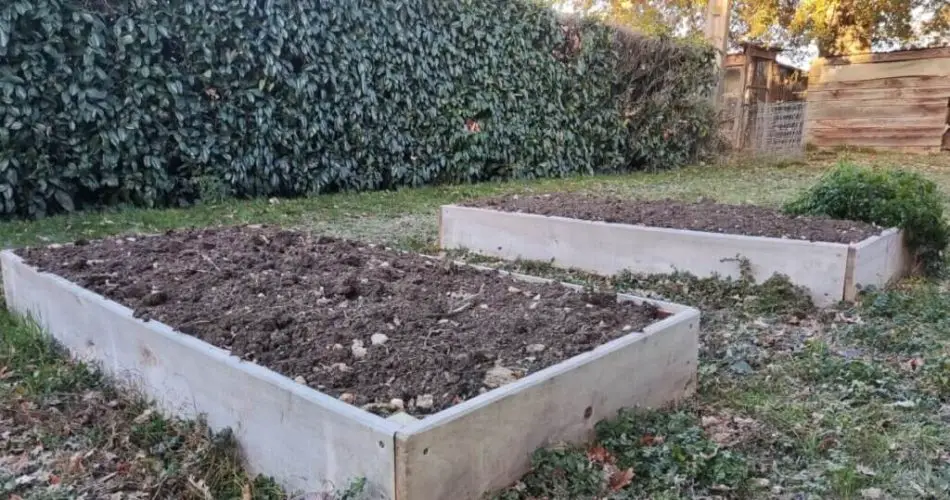
Autumn is the opportune moment to expand your garden. Utilize a straightforward method involving cardboard and compost to create new flower beds. This technique suppresses grass, transforming the area into fertile soil. Whether planning new beds or raised planters, this approach simplifies the process.
Gardening Wisdom: Lay the groundwork for expansion, making future gardening endeavors more accessible.
9. Future Garden Planning:
Reflect on the past year’s gardening experiences and use the winter downtime to plan for the upcoming season. Evaluate successes, note changes, and incorporate companion planting and crop rotation strategies into your garden plan.
Fun Fact: Crafting a detailed garden plan during winter adds structure and efficiency to your gardening approach.
10. Journaling for Success:
Cap off your winter garden preparations with a cup of tea and a visit to your gardening journal. Document lessons learned, successful practices, and changes you’d like to implement. If you’ve captured photos throughout the year, use them as valuable references.
Garden Reflection: Cherish winter moments by preserving garden memories in a thoughtful journal.
Conclusion: Armed with these 10 essential steps, your garden is poised to transition seamlessly from winter to spring. The thoughtful preparations ensure a thriving garden that reflects your dedication and love for cultivating nature. Subscribe to Jean Baptiste’s blog for more insightful gardening tips, and share this article with fellow enthusiasts to spread the joy of gardening knowledge. Happy gardening!