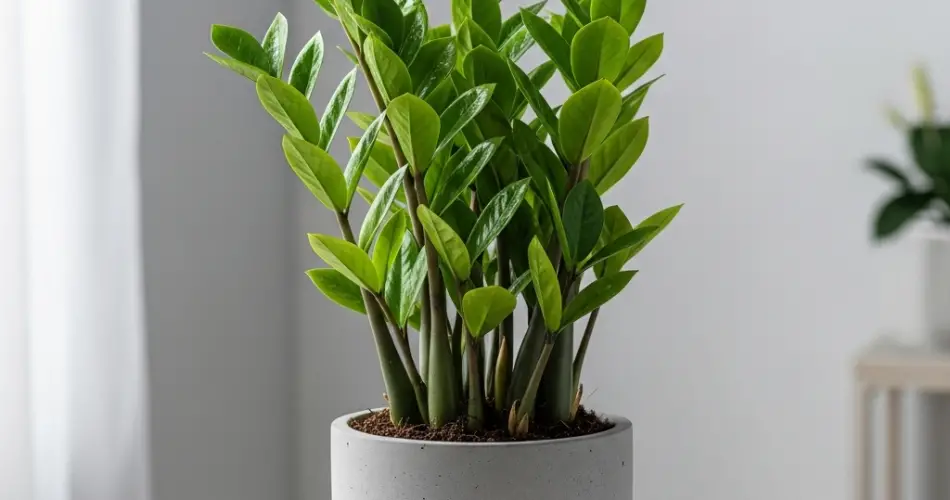
The ZZ plant (Zamioculcas zamiifolia) is admired for its glossy green leaves, easy-going nature, and resilience in conditions where many other houseplants struggle. Known for tolerating neglect, low light, and irregular watering, this plant has earned its reputation as one of the most low-maintenance indoor companions. Yet even the hardy ZZ plant thrives best when placed in the right environment—particularly when it comes to temperature and humidity. Understanding these needs can help keep your plant healthy, vibrant, and free from stress.
Ideal Temperature Range
The ZZ plant prefers warm, stable temperatures that mimic its native environment in Eastern Africa.
-
Optimal range: Between 65–85°F (18–29°C) is ideal for growth.
-
Minimum tolerance: It can survive down to about 45°F (7°C) for short periods, but exposure to cold drafts or prolonged low temperatures can damage the plant.
-
Avoid extremes: Temperatures above 90°F (32°C) may stress the plant, especially if combined with direct sunlight or dry air.
For indoor growing, most households naturally fall within the ZZ plant’s comfort zone. However, placing the plant near heating vents, drafty windows, or air conditioners can cause sudden shifts in temperature that may harm its leaves and roots.
How Cold Affects ZZ Plants
Cold stress is one of the most common environmental problems ZZ plants face. When exposed to chilly air, the plant’s leaves may droop, curl, or develop dark patches. Prolonged exposure can cause root damage, which may take weeks to show in the foliage. To protect your plant:
-
Move it away from windows during winter nights.
-
Avoid placing it near entry doors that open frequently.
-
If moving plants outdoors in summer, always bring them back inside well before nighttime temperatures drop below 55°F (13°C).
Keeping the plant consistently warm ensures steady growth and prevents unnecessary stress.
Ideal Humidity Levels
Unlike tropical plants that require consistently high humidity, the ZZ plant adapts well to average indoor conditions.
-
Preferred range: 40–50% humidity works well, which is common in most homes.
-
Tolerant range: It can handle drier air down to 30% humidity, making it a suitable plant for households with air conditioning or heating systems.
-
High humidity: While not required, higher humidity levels (above 60%) will not harm the ZZ plant and may encourage slightly faster growth.
This adaptability makes the ZZ plant one of the easiest houseplants to care for, especially compared to species that struggle in low-moisture air.
Signs of Temperature or Humidity Stress
Even though the ZZ plant is tough, environmental stress can still leave visible signs. Pay attention to these changes:
-
Yellowing leaves: Could indicate exposure to cold drafts or sudden temperature swings.
-
Brown leaf tips: Often caused by very dry air, especially in winter when heating systems reduce humidity indoors.
-
Drooping stems: May suggest the plant is reacting to environmental stress in addition to possible watering issues.
When such signs appear, adjusting the plant’s environment usually helps it recover.
How to Improve Conditions Indoors
Creating a stable microclimate for your ZZ plant is simple with a few adjustments:
-
Stable placement: Keep the plant away from vents, heaters, and cold drafts. A spot in a room with steady temperatures is best.
-
Humidity boost: If your home is very dry, consider:
-
Using a humidifier nearby.
-
Placing the plant on a pebble tray with water (ensuring the pot itself is not sitting in water).
-
Grouping plants together, which creates a slightly more humid pocket of air.
-
-
Seasonal adjustments: During winter, watch for dry air and lower temperatures. During summer, ensure the plant is not overheated by direct sun or hot air.
These small steps can make a big difference in long-term plant health.
Outdoor Growing Considerations
In warmer climates, ZZ plants can spend part of the year outdoors. However, outdoor placement requires extra care:
-
Ensure temperatures consistently stay above 60°F (16°C).
-
Place the plant in a shaded or semi-shaded location to avoid leaf burn.
-
Monitor humidity and rainfall, as excessive exposure to moisture can affect the plant’s roots.
Bringing the plant indoors before temperatures begin to dip in autumn will help avoid cold damage.
Seasonal Care Tips
-
Spring and summer: Growth tends to be more active. Keep the plant in its preferred temperature and humidity range and monitor watering more closely.
-
Fall and winter: Growth slows, and the plant requires less water. Indoor air may become drier, so it’s helpful to monitor humidity levels during this time.
By tailoring care to the seasons, you can keep your ZZ plant looking lush year-round.
Conclusion
The ZZ plant may be known for its toughness, but understanding its environmental preferences ensures it stays at its best. Warm temperatures between 65–85°F and average household humidity of 40–50% provide the perfect conditions for steady growth. Protecting the plant from cold drafts, avoiding sudden temperature swings, and maintaining moderate humidity levels will prevent stress and leaf damage. With just a little attention to temperature and moisture in the air, your ZZ plant will thrive as a long-lasting, low-maintenance addition to your indoor garden.


