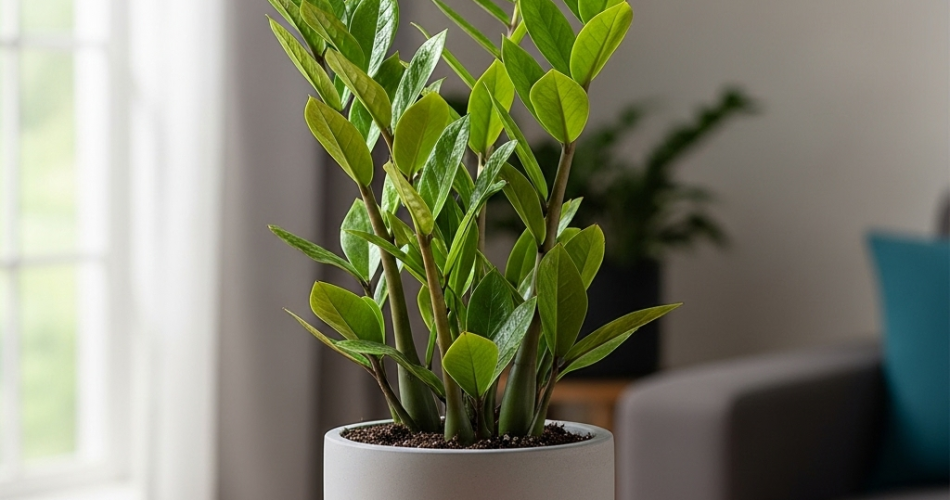
The ZZ plant (Zamioculcas zamiifolia) is a popular indoor plant beloved for its glossy, dark green foliage and ability to thrive in a range of conditions. Known for its resilience and low-maintenance nature, the ZZ plant makes a stunning addition to homes and offices. However, one detail that’s often overlooked is pot size—and it can make a big difference in the plant’s health and growth.
Choosing the right pot size ensures proper root development, prevents watering issues, and helps your ZZ plant look its best. This guide will walk you through everything you need to know about selecting the perfect pot size for your ZZ plant, whether you’re planting a new cutting, repotting an established plant, or dividing a mature clump.
Why Pot Size Matters for ZZ Plants
Pot size affects several aspects of plant health:
-
Water Retention – Larger pots hold more soil, which retains more moisture. This can be a problem for ZZ plants, which prefer to dry out between waterings.
-
Root Health – A pot that’s too small can restrict root growth, while one that’s too large can lead to soggy soil and root rot.
-
Growth Rate – The right pot size encourages healthy, steady growth without forcing the plant to focus all its energy on root expansion.
Because ZZ plants grow slowly, they don’t need frequent repotting. In fact, they often do better when slightly root-bound.
Choosing the Best Pot Size
When selecting a pot, measure the diameter of the plant’s root ball (the clump of roots and soil). Your new pot should be about 2 inches wider in diameter than the root ball.
For example:
-
A young ZZ plant in a 4-inch nursery pot should be moved into a 6-inch pot.
-
A medium ZZ plant in a 6-inch pot should be upgraded to an 8-inch pot.
Avoid jumping to a pot that’s much larger than necessary. While it might seem like extra space would encourage faster growth, the opposite is true—excess soil around the roots can stay wet for too long, creating a risk of rot.
Depth Considerations
ZZ plants grow from thick rhizomes that store water. These rhizomes sit below the soil but don’t extend very deep, so a shallow to medium-depth pot is usually ideal. Deep pots are not necessary unless you’re planting a particularly tall specimen for added stability.
Material Choices and Their Impact
The material of the pot can also influence how quickly the soil dries:
-
Terracotta – Porous and breathable, helping soil dry faster. A great choice for new plant owners who tend to overwater.
-
Ceramic (Glazed) – Holds moisture longer and comes in decorative designs. Just ensure it has drainage holes.
-
Plastic – Lightweight and retains moisture longer, ideal for drier indoor environments.
Drainage Is Non-Negotiable
Regardless of size or material, your pot must have drainage holes. ZZ plants are sensitive to overwatering, and standing water in the pot can quickly lead to root rot. If you use a decorative pot without holes, place your ZZ plant in a nursery pot inside it and remove it when watering.
Signs It’s Time to Size Up
ZZ plants don’t need repotting often, but there are a few signs they’ve outgrown their pot:
-
Roots poking through drainage holes – A clear sign the plant needs more space.
-
Soil dries out unusually fast – Roots may be filling most of the pot, leaving little room for moisture retention.
-
Rhizomes pushing against the pot – The pressure can crack plastic pots or distort softer materials.
-
Slowed growth despite good care – When roots are cramped, leaf production may stall.
If you notice these signs, it’s time to move up to a pot just one size larger.
Potting Young vs. Mature ZZ Plants
-
Young plants or cuttings – Start small. A pot that’s too large can cause overwatering issues before roots are established.
-
Mature plants – Can remain in the same pot for years until they become root-bound. They may benefit from dividing the clump during repotting.
How Pot Size Affects Watering and Care
The right pot size makes watering simpler. In an oversized pot, the soil takes longer to dry, which can lead to root problems. In an undersized pot, the soil may dry too quickly, forcing you to water more often. By matching pot size to the plant’s root system, you maintain a natural balance that supports healthy growth.
Final Thoughts
Pot size may seem like a small detail, but for ZZ plants, it’s a key factor in keeping them healthy and vibrant. The general rule is simple: choose a pot that’s just one size bigger than the current root ball, ensure it has drainage holes, and select a material that matches your watering habits.
By understanding the relationship between pot size, root health, and soil moisture, you can keep your ZZ plant thriving for years—whether it’s a small desk plant or a large statement piece in your living room.


