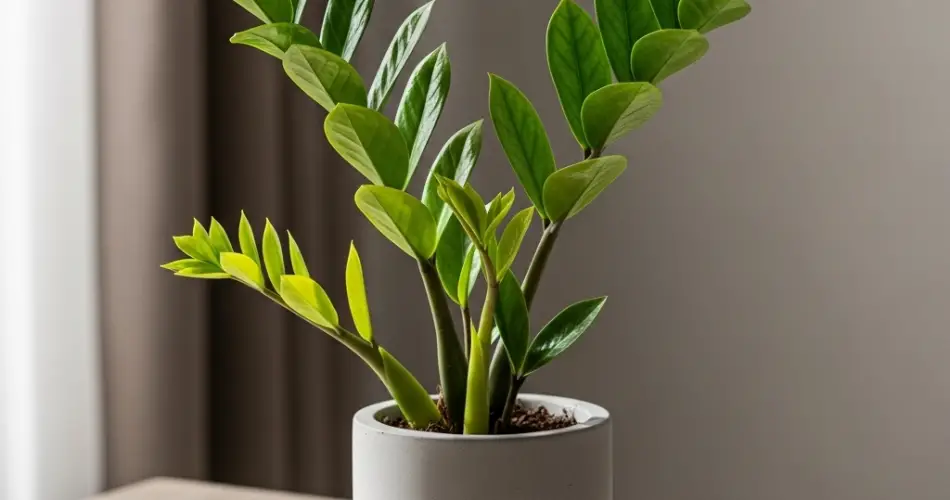
The ZZ plant (Zamioculcas zamiifolia) has earned its place as a favorite among indoor plant lovers due to its glossy foliage and incredible resilience. Whether you’re a beginner or a seasoned gardener, the ZZ plant offers a low-maintenance option that still brings a touch of elegance to your space. Growing it in containers is ideal for both home and office environments, but success depends on proper soil, watering habits, and smart potting practices.
Here’s everything you need to know about container-growing ZZ plants—from choosing the right pot to preventing common care mistakes.
Choosing the Right Pot
When potting a ZZ plant, the first decision is selecting an appropriate container. The right pot supports healthy root development and prevents issues like root rot.
Key features to look for:
-
Drainage holes: This is non-negotiable. ZZ plants hate sitting in water, so your pot must allow excess water to escape easily.
-
Size matters: Choose a container that is just 1–2 inches wider in diameter than the root ball. Oversized pots can hold too much moisture, increasing the risk of root damage.
-
Material options: Terra cotta pots are a great choice because they allow soil to dry faster, which suits the ZZ plant’s drought-tolerant nature. Plastic or ceramic pots work too—just ensure they have drainage holes.
If your ZZ plant came in a nursery pot, consider repotting only when it becomes root-bound or when the soil quality deteriorates.
Best Soil Mix for ZZ Plants
ZZ plants require well-draining soil to mimic their native East African conditions. The wrong soil—particularly one that stays too moist—can quickly lead to problems.
Ideal soil characteristics:
-
Light and aerated
-
Fast-draining but moisture-retentive enough to keep roots slightly hydrated
-
Low in organic matter that stays wet too long
Recommended DIY soil blend:
-
2 parts cactus or succulent potting mix
-
1 part perlite or coarse sand
-
1 part orchid bark or pumice (optional, for added structure)
You can also use a high-quality commercial succulent mix straight out of the bag, as long as it’s formulated to dry quickly and prevent soggy roots.
Watering Guidelines
Overwatering is the number one killer of ZZ plants. Because of their rhizomes—thick, tuber-like structures that store water—they can go weeks without being watered. Understanding how and when to water is key to a healthy ZZ.
General watering tips:
-
Let the soil dry out completely between waterings. Stick your finger about 2 inches into the soil—if it feels dry, it’s time to water.
-
Reduce watering frequency in winter, when the plant enters a semi-dormant state and needs less moisture.
-
Use the soak and drain method: Water thoroughly until it runs out the bottom, then discard any water that collects in the saucer.
-
Avoid misting or surface watering. It’s better to water deeply and infrequently than to give small sips frequently.
A ZZ plant kept in bright, indirect light may require more frequent watering than one in a dim hallway. Always adjust based on light, temperature, and season.
Repotting Tips
Though ZZ plants grow slowly, they will eventually outgrow their container. Every 2–3 years, check if your plant needs more space or fresh soil.
Signs it’s time to repot:
-
Roots growing out of the drainage holes
-
Soil dries out extremely fast
-
Pot is noticeably bulging or cracking
-
Overall plant appears stunted or top-heavy
When repotting, don’t go too big. A slightly larger pot with fresh soil is all that’s needed. Gently remove the plant, loosen the roots, and place it in the new pot with a layer of soil underneath. Fill in around the root ball, pat the soil lightly, and water once to settle everything.
Light and Environment Considerations
While the ZZ plant is known for tolerating low light, it does best in bright, indirect sunlight. Too much direct sun can scorch its leaves, while extremely low light may cause slow or leggy growth.
Other growing conditions to keep in mind:
-
Temperature: Ideal range is 65°F to 80°F (18°C to 27°C). Keep it away from cold drafts or heating vents.
-
Humidity: Average indoor humidity is sufficient. No special misting required.
-
Clean leaves regularly: Wipe dust off the glossy foliage to help the plant breathe and photosynthesize efficiently.
Final Thoughts
Growing a ZZ plant in containers is simple, provided you get the basics right: use a well-draining soil, choose the proper pot, avoid overwatering, and give it bright but indirect light. These easy-going plants reward neglect more than fussiness, making them perfect for those with busy schedules or less-than-ideal lighting.
Once established in a suitable container, a ZZ plant can thrive for years with minimal intervention—offering lush greenery and polished beauty in any indoor space.


