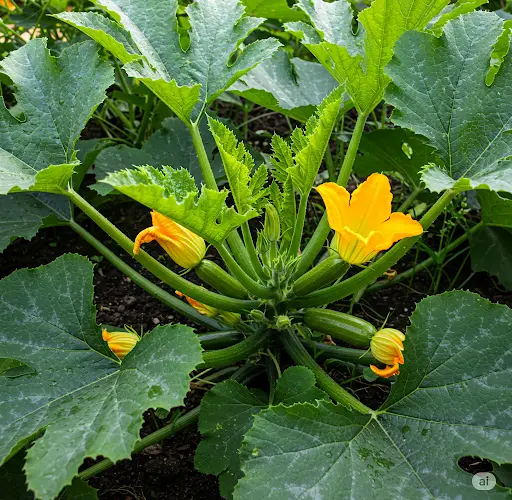
Zucchini is a fast-growing and productive summer squash that thrives in many gardens. But if you’ve ever excitedly watched small fruits begin to form, only to find them yellowing and rotting before they mature, you’re not alone. This is a common issue among home gardeners and can be frustrating, especially when the rest of the plant appears healthy.
Fortunately, the causes are well understood—and most can be addressed with a few simple changes to your growing routine. Here’s a look at the main reasons zucchinis yellow and rot on the vine, along with practical solutions to help your plants thrive and produce a healthy harvest.
1. Poor Pollination
One of the most frequent causes of zucchini yellowing and rotting is inadequate pollination. Zucchini plants produce separate male and female flowers. For a fruit to develop properly, pollen from the male flower must be transferred to the female flower. If this doesn’t happen completely, the young fruit may start growing but soon turns yellow and stops developing—eventually rotting at the tip.
Symptoms of poor pollination:
-
Fruit begins to form but stops growing early.
-
Zucchini yellows and shrivels at the blossom end.
-
The plant continues to produce flowers but few fruits mature.
Solutions:
-
Attract pollinators like bees and butterflies by planting pollinator-friendly flowers nearby (e.g., marigolds, lavender, calendula).
-
Hand-pollinate if necessary: use a soft brush or cotton swab to transfer pollen from a male flower to the center of a female flower.
-
Avoid pesticides that harm pollinators, especially during flowering.
2. Blossom End Rot
Another common reason for zucchini rotting is blossom end rot—a physiological disorder caused by calcium deficiency. Even if the soil has enough calcium, inconsistent watering can prevent the plant from absorbing it properly.
Symptoms of blossom end rot:
-
The blossom end (the bottom of the fruit, opposite the stem) turns brown or black and becomes mushy.
-
The rest of the fruit looks normal at first but begins to rot quickly.
Solutions:
-
Water consistently: Irregular watering is the main cause of calcium uptake problems. Water deeply and regularly—about 1–2 inches per week.
-
Mulch around the base of the plant to help retain moisture and regulate soil temperature.
-
Avoid over-fertilizing with nitrogen, which can promote leafy growth at the expense of fruit and disrupt nutrient balance.
-
If necessary, apply a calcium-rich amendment, such as bone meal or garden lime, especially if soil tests reveal a deficiency.
3. Excess Moisture or Poor Drainage
Zucchinis love water, but too much of it—especially around the fruit—can encourage rot. Excess moisture can result from overwatering, heavy rains, or poor soil drainage.
Symptoms of water-related rot:
-
Fruit touching wet soil begins to yellow and decay quickly.
-
Mold or mildew may appear on the fruit surface.
Solutions:
-
Lift fruits off the ground using straw, boards, or small racks to keep them dry and away from wet soil.
-
Improve soil drainage by mixing in organic matter like compost or planting in raised beds.
-
Water at the base of the plant, not on the leaves or fruit, to reduce humidity and disease risk.
4. Fungal or Bacterial Infections
Fungal and bacterial diseases can cause zucchini fruits to rot, especially during humid weather. These pathogens often enter through flower ends or damaged fruit skin.
Symptoms of infection:
-
Soft spots on fruits that rapidly turn brown or black.
-
A foul smell, oozing, or mold growth.
-
Leaves may also show signs of powdery mildew or wilting.
Solutions:
-
Remove affected fruit immediately to prevent spread.
-
Prune lower leaves to improve air circulation around the base of the plant.
-
Avoid overhead watering and space plants far enough apart to reduce humidity.
-
Apply organic fungicides or use natural remedies like diluted baking soda spray if needed.
5. Lack of Sunlight and Nutrients
Zucchini plants need at least 6–8 hours of full sun daily. Without enough light, the plant may become weak and more vulnerable to disease and fruit rot. Similarly, poor soil fertility can stress the plant and reduce its resistance to common problems.
Solutions:
-
Plant zucchini in a sunny, well-drained spot.
-
Feed the plant with a balanced fertilizer that includes essential micronutrients.
-
Use compost or organic mulch to enrich the soil naturally.
Final Tips for Healthy Zucchinis
-
Harvest regularly: Leaving mature zucchinis on the plant too long can reduce overall productivity.
-
Inspect plants daily for early signs of rot, pests, or disease.
-
Rotate crops each year to prevent soil-borne diseases from building up.
With a few adjustments to watering, pollination, and soil management, you can prevent most issues that cause zucchini to yellow and rot. A healthy zucchini plant is a prolific producer—so giving it the care it needs will reward you with a bountiful and delicious harvest all season long.


