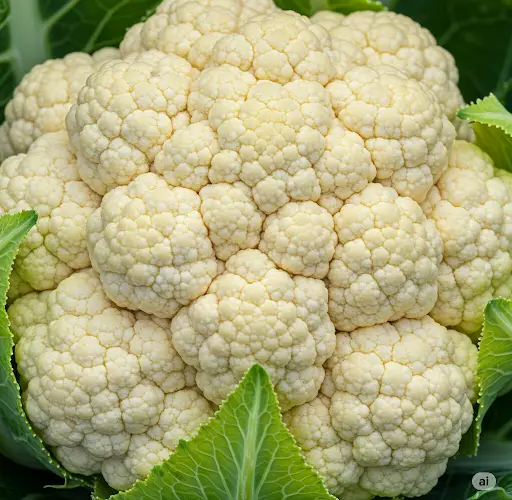
Cauliflower is a rewarding vegetable to grow in your garden, prized for its versatile, mild-flavored heads that can be used in countless recipes. However, harvesting cauliflower can sometimes be tricky because of its sensitivity to weather and the specific care it needs to produce those tight, creamy-white curds. This guide will walk you through the essential steps—from planting to harvest—to help you enjoy a bountiful cauliflower crop.
Choosing the Right Variety
The first step to a successful cauliflower harvest is selecting a variety suited to your climate and growing season. There are early, mid, and late-season types:
-
Early varieties mature in about 55-60 days and are ideal for cooler climates or spring planting.
-
Mid-season varieties take 65-75 days and are versatile for many regions.
-
Late varieties need up to 85 days and are suited for fall harvests.
Choosing a variety that matches your local growing conditions increases your chances of success.
Soil Preparation and Planting
Cauliflower thrives in rich, well-drained soil with a slightly acidic to neutral pH (6.0 to 7.0). Before planting:
-
Prepare the soil: Incorporate plenty of organic matter such as compost or aged manure to improve fertility and moisture retention.
-
Check soil pH: Amend the soil if needed to maintain the optimal pH range.
-
Start seeds indoors: In cooler climates, start cauliflower seeds indoors 6-8 weeks before the last frost date.
-
Transplant seedlings: Harden off seedlings before transplanting them outdoors when they are 4-6 weeks old and the soil temperature is at least 50°F (10°C).
Plant seedlings 18 to 24 inches apart to give them room to grow, and space rows about 24 to 30 inches apart to allow for airflow and ease of maintenance.
Watering and Fertilizing
Cauliflower requires consistent moisture throughout its growing season. Uneven watering can lead to poor head development or bitter taste.
-
Water regularly: Aim to keep the soil evenly moist but not waterlogged. Deep watering encourages strong root growth.
-
Mulch: Apply a thick layer of mulch to retain soil moisture, regulate temperature, and suppress weeds.
-
Fertilize: Use a balanced fertilizer rich in nitrogen to support leafy growth during the early stages. When heads begin to form, switch to a fertilizer higher in phosphorus and potassium to support head development.
Managing Temperature and Sunlight
Cauliflower prefers cooler growing conditions, ideally between 60°F and 70°F (15°C to 21°C). Excessive heat can cause the plant to bolt or produce loose, bitter heads.
-
Plant early or late: Schedule your planting to avoid the hottest part of the growing season.
-
Provide shade: In warmer climates, use shade cloth or plant cauliflower in locations that receive morning sun and afternoon shade.
-
Monitor temperature: Use row covers or protective blankets to shield young plants from late frosts or early cold snaps.
Blanching Cauliflower Heads
Blanching is the process of protecting cauliflower heads from direct sunlight to keep them white and tender.
-
When the head reaches about 2 to 3 inches in diameter, gather the large outer leaves over the head to shade it.
-
Secure the leaves with a soft tie or garden clip to hold them in place.
-
Blanching prevents the heads from turning yellow or developing a bitter taste due to sun exposure.
If your variety is self-blanching, this step may not be necessary.
Pest and Disease Control
Cauliflower can be affected by common pests such as cabbage worms, aphids, and flea beetles. Diseases like clubroot and downy mildew may also pose challenges.
-
Inspect regularly: Check the undersides of leaves and the base of plants for signs of pests.
-
Handpick pests: Remove caterpillars and eggs manually.
-
Use natural controls: Introduce beneficial insects like ladybugs and lacewings or apply organic insecticidal soaps.
-
Practice crop rotation: Avoid planting brassicas in the same soil consecutively to reduce disease buildup.
-
Maintain good garden hygiene: Remove plant debris and weeds that harbor pests and diseases.
When and How to Harvest Cauliflower
Timing the harvest correctly is crucial to get the best quality cauliflower heads.
-
Look for tight, firm heads: Harvest when the heads are compact, firm, and about 6 to 8 inches in diameter.
-
Avoid over-maturity: If left too long, heads can become loose, grainy, or begin to discolor.
-
Use a sharp knife: Cut the head off at the base, leaving some of the surrounding leaves attached to protect the curd.
Harvest in the morning when the temperature is cooler for best freshness.
Storing and Using Your Cauliflower
-
Storage: Store cauliflower heads unwashed in a plastic bag in the refrigerator. It will keep fresh for up to two weeks.
-
Preparation: Cauliflower can be eaten raw, steamed, roasted, or used in soups and casseroles.
-
Preservation: It freezes well if blanched briefly before freezing.
Final Tips for a Successful Cauliflower Crop
-
Start with healthy seedlings or quality seeds.
-
Keep soil moist and fertile throughout the season.
-
Protect heads from sunlight by blanching when needed.
-
Monitor regularly for pests and diseases and manage them early.
-
Harvest promptly when heads reach ideal size and firmness.
With attentive care and timely actions, you’ll be rewarded with beautiful, delicious cauliflower heads that will enhance your meals and impress your family and friends. Growing cauliflower is a satisfying gardening experience, and following these guidelines will help ensure your success from seed to harvest.


