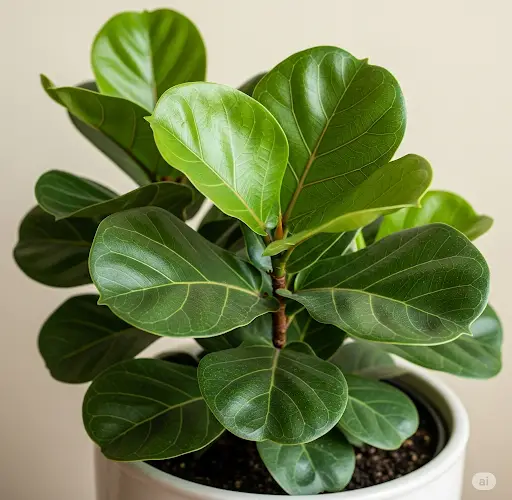
Ficus plants—whether it’s the popular Ficus benjamina (weeping fig), the robust Ficus elastica (rubber plant), or the stylish Fiddle Leaf Fig—are loved for their glossy leaves and elegant appearance. But keeping a ficus full, green, and bushy isn’t always easy. Many people struggle with leaf drop, spindly growth, or an overall lackluster look.
The good news? There’s a specific growing method that can transform even a sparse ficus into a thriving, lush houseplant. When you apply the right combination of care techniques, pruning, and feeding at the right time, your ficus can quickly fill out with thick, vibrant foliage.
Here’s how to grow your ficus so it not only survives but flourishes.
Common Problems with Ficus Plants
Before diving into the solution, it’s helpful to understand why ficus plants often struggle indoors. The most common issues include:
-
Sudden leaf drop
-
Weak, leggy stems
-
Sparse foliage with long gaps between leaves
-
Stunted growth or yellowing leaves
These symptoms are usually caused by inconsistent care—especially incorrect lighting, watering, or humidity levels.
The Key to a Bushy Ficus: Controlled Stress and Strategic Pruning
The secret to a lush, full ficus lies in two often-overlooked techniques:
-
Strategic pruning
-
Controlled root and top stress
Let’s break these down.
Step 1: Prune to Encourage Lateral Growth
Ficus plants naturally grow upward, often developing a tall, bare trunk with a small crown of leaves. To get that beautiful, bushy look, you need to redirect the plant’s energy from vertical to lateral (side) growth.
Here’s how:
-
Identify the main stem and upper shoots.
-
Using sharp, sterilized scissors or pruning shears, cut the top 2–3 inches off the leading shoot.
-
This “topping” triggers dormant nodes along the stem to activate, causing new branches to grow sideways instead of just upward.
-
Remove any weak, leggy, or downward-facing stems to focus energy on strong growth points.
Tip: Don’t be afraid to prune! Ficus plants respond very well to trimming and usually come back stronger and fuller.
Step 2: Rotate the Pot Regularly
Many ficus plants develop uneven foliage because they lean toward the light source. To prevent this:
-
Rotate your plant a quarter-turn every 1–2 weeks.
-
This ensures all sides receive equal sunlight, promoting even growth and preventing one-sided leaf drop.
Step 3: Light and Location Matter Most
Ficus plants need bright, indirect light to maintain dense foliage. If placed in low-light conditions, they often lose leaves and grow tall and spindly in search of light.
Ideal conditions:
-
Near an east- or west-facing window with filtered sunlight.
-
Avoid harsh midday rays that can scorch the leaves.
-
If natural light is limited, consider using a grow light.
Step 4: Use the “Dry Then Water” Method
Overwatering is one of the biggest mistakes ficus owners make. Instead of sticking to a rigid schedule:
-
Check the top 2 inches of soil—only water when they feel completely dry.
-
Water deeply until water drains from the bottom, then wait again until dry.
-
Ensure your pot has good drainage to prevent root rot.
Step 5: The Nutrient Boost – A Homemade Elixir
To encourage leaf production and a healthy root system, use a gentle organic fertilizer or a homemade tonic once every 3–4 weeks during the growing season (spring to early autumn).
Here’s a simple recipe:
Ficus Growth Tonic
-
1 teaspoon of honey (natural root stimulant)
-
1 liter of lukewarm water
-
Optional: a pinch of cinnamon (natural antifungal)
Mix well and water the plant at the base. This mild tonic supports root health and stimulates new leaf development without the harshness of chemical fertilizers.
Step 6: Mist and Wipe the Leaves
Ficus plants are native to humid, tropical environments. Indoor air—especially during heating season—is often too dry for them.
-
Mist the leaves every few days with filtered water.
-
Wipe the leaves gently with a damp cloth to remove dust and open up the pores for better breathing.
This simple practice improves photosynthesis and leaf vitality.
Step 7: Repotting and Root Check
Every 2–3 years, ficus plants should be repotted to prevent root binding and refresh the soil.
-
Choose a pot only 1–2 inches larger than the current one.
-
Use light, well-draining soil with perlite or coconut coir.
-
Inspect the roots—trim any rotting or overly tangled roots before repotting.
Final Thoughts
If you want your ficus to fluff up and become the centerpiece of your indoor garden, the answer isn’t expensive treatments—it’s about consistent care, strategic pruning, and a focus on environmental balance. Within a few weeks of applying these tips, your ficus will respond with dense, healthy, and vibrant growth.
So grab your scissors, rotate that pot, and show your ficus a little love. You’ll be rewarded with a plant that looks more like a living sculpture—full, green, and thriving.


