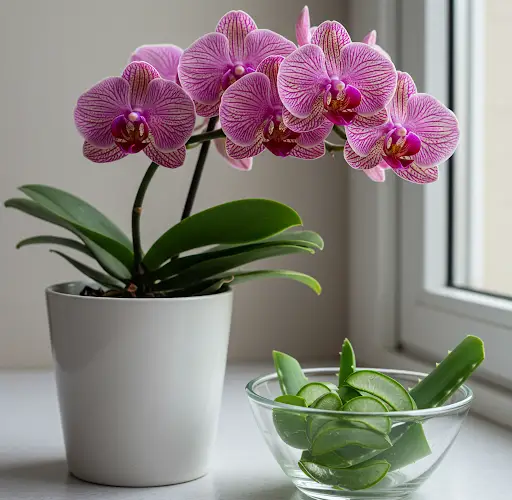

Today, I am excited to share another effective method to help orchids recover quickly from top rot. Orchids are delicate plants that can sometimes suffer from fungal diseases, leading to rot that threatens their survival. However, with the right care and techniques, even severely affected orchids can be revived and brought back to full health. If your orchid is experiencing rot, do not rush to throw it away. Follow this step-by-step process to save your plant and promote healthy regrowth.
Step 1: Remove Infected Parts
The first and most crucial step in treating an orchid with top rot is to remove all infected parts of the plant. Examine the leaves and roots carefully. If you notice black spots or mushy areas, these are clear signs of fungal infection. Using a sterilized knife or scissors, carefully cut away all diseased leaves and rotten roots. This will prevent the fungus from spreading further.
Step 2: Seal the Wounds
Once the infected areas have been removed, it is essential to seal the wounds to protect the plant from further infection and moisture loss. A simple and effective way to do this is by applying molten candle wax to the cut areas. The wax acts as a barrier, preventing water from entering the wounds and stopping the rot from spreading. Be sure to apply the wax evenly and let it cool naturally.
Step 3: Prepare an Aloe Vera Treatment
Aloe vera is known for its powerful healing and antimicrobial properties, making it an excellent natural treatment for orchids suffering from rot. To prepare the aloe vera solution:
- Take about 20 grams of fresh aloe vera leaves.
- Add 500ml of water.
- Crush the aloe vera thoroughly to release its nutrients and minerals into the water.
Aloe vera is rich in vitamins, amino acids, and essential minerals that promote plant growth, disinfect infected areas, and stimulate root development.
Step 4: Soak the Orchid in Aloe Vera Solution
Once the aloe vera mixture is prepared, soak the orchid in the solution for about 30 minutes. This will allow the beneficial properties of aloe vera to penetrate the plant and begin the healing process. During this time, aloe vera will also work as a natural disinfectant, eliminating any remaining fungal spores on the plant.
Step 5: Apply Cinnamon Powder
After soaking the orchid, the next step is to apply cinnamon powder to the freshly cut roots. Cinnamon is a natural antifungal agent that helps prevent infections and promotes faster root growth. Simply sprinkle a generous amount of cinnamon powder over the cut roots and let it settle.
Step 6: Replant the Orchid
Now that the orchid has been treated, it is time to replant it using a well-draining medium. The best mix for recovering orchids includes:
- Coir
- Moss
- Dry pine bark
These materials will help absorb excess moisture and prevent the roots from becoming waterlogged, which could lead to further rot.
Step 7: Create a Recovery Environment
After replanting, place the orchid in a shaded area with indirect sunlight. Avoid watering the plant for the first seven days to give the roots time to adjust and prevent any risk of further rot. After seven days, start misting the orchid lightly to maintain moisture levels. Misting should be done every five days to keep the plant hydrated without overwatering.
Step 8: Use a Miniature Greenhouse
To further protect the orchid and enhance recovery, you can create a miniature greenhouse using recycled plastic bottles. Simply cut the bottom off a plastic bottle and place it over the orchid, ensuring there is enough ventilation for airflow. This will help maintain humidity and create a stable environment for new growth.
Step 9: Monitor and Maintain Moisture
Every five days, continue misting the orchid lightly to keep it hydrated. Avoid overwatering, as too much moisture can lead to further fungal issues. With patience and consistent care, you will begin to see new growth.
Step 10: Observe Recovery Progress
- After 3 Weeks: New sprouts will begin to develop, indicating that the orchid is responding well to treatment.
- After 2 Months: The orchid will have recovered significantly, showing healthy root and leaf growth.
Step 11: Resume Fertilization
Once the orchid has fully recovered, you can start adding organic fertilizers to enhance its growth and encourage blooming. Some excellent natural fertilizers include:
- Banana Peel and Coffee Ground Fertilizer (rich in potassium and nutrients)
- Soybean Organic Fertilizer (provides essential proteins and amino acids)
- Eggshell and Rice Water Fertilizer (boosts calcium levels and strengthens plant structures)
Final Thoughts
By following this step-by-step method, you can successfully revive orchids suffering from top rot and fungal infections. Proper care, patience, and the use of natural treatments like aloe vera and cinnamon will help your orchid regain its health and beauty. With consistent maintenance and organic fertilization, your orchid will not only recover but will also thrive, producing stunning flowers for months to come.


