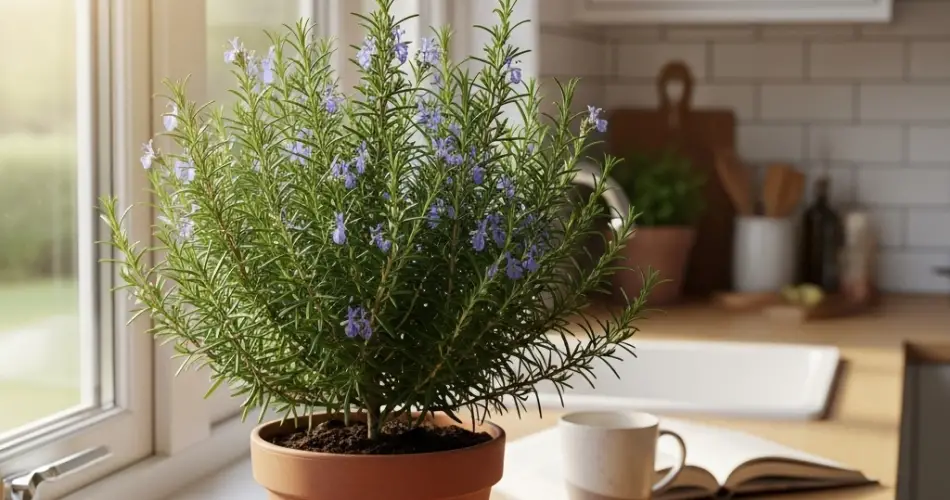
Rosemary is one of the most aromatic and resilient herbs you can grow indoors. With its needle-like leaves and distinctive pine-like fragrance, it is a culinary staple that elevates everything from roasted meats to bread, vegetables, and even refreshing teas. Many people assume rosemary requires a garden or outdoor space to thrive, but the truth is that with the right care, you can enjoy fresh rosemary all year long right in your kitchen.
Why Rosemary Belongs in Your Kitchen
Growing rosemary indoors offers both practical and aesthetic benefits. Having fresh sprigs on hand means you can add flavor to your dishes instantly without relying on dried herbs from the store. Beyond the kitchen, rosemary fills your space with a refreshing scent and contributes greenery to your home. Its evergreen nature ensures it provides beauty and usefulness throughout the year.
Rosemary also carries historical significance as an herb associated with wellness, memory, and purification. By growing it in your kitchen, you not only gain a versatile cooking companion but also bring a sense of tradition and natural freshness into your daily life.
Selecting the Right Variety
Not all rosemary varieties adapt equally well to containers. Compact, upright varieties such as ‘Tuscan Blue,’ ‘Salem,’ or ‘Blue Boy’ are excellent choices for indoor growing. These cultivars remain manageable in size while still producing flavorful leaves. Choosing the right type ensures that your plant thrives in smaller pots and under the conditions of a kitchen environment.
Finding the Best Spot
Rosemary loves sunlight and performs best when it receives 6 to 8 hours of direct sun each day. The ideal place for your plant is a sunny south-facing window. If your kitchen doesn’t get sufficient natural light, you can use grow lights to mimic the sun’s rays. Keep the lights on for about 12–14 hours a day, ensuring the plant maintains healthy, vigorous growth.
Air circulation is just as important as light. Unlike some herbs that tolerate humidity, rosemary is prone to mildew if the air is too stagnant. A spot with good ventilation or the gentle use of a small fan will help prevent fungal problems and keep the plant robust.
Containers and Soil
Rosemary is naturally adapted to dry, rocky Mediterranean soil, so drainage is critical. Select a pot with several drainage holes to avoid water accumulation. Terracotta pots are especially useful because they allow excess moisture to evaporate and help keep the soil from becoming waterlogged.
For the soil, use a well-draining mix. A combination of high-quality potting soil with added sand or perlite is ideal. Avoid heavy soils that retain water for long periods. Replicating rosemary’s natural growing conditions will keep its roots healthy and prevent rot.
Watering and Feeding
The most common mistake when growing rosemary indoors is overwatering. Unlike many leafy herbs, rosemary does not like consistently moist soil. Water only when the top one to two inches of soil feel dry. After watering, allow any excess to drain completely to avoid root problems.
As for feeding, rosemary is not a heavy feeder. A light application of liquid fertilizer once a month during its active growing season is sufficient. Organic options such as compost tea or diluted fish emulsion work well. Too much fertilizer can diminish the intensity of its natural flavor, so moderation is best.
Harvesting and Pruning
Harvesting rosemary is simple and rewarding. Clip sprigs as needed, cutting just above a leaf node to encourage new branching. Pruning regularly will keep the plant compact, bushy, and productive. It’s best not to remove more than one-third of the plant at once, as this can stress the plant and slow its growth.
Fresh rosemary sprigs can be used whole in stews, soups, and roasts, or you can strip the leaves and chop them for marinades, sauces, or baked breads. Even the sturdy stems can double as aromatic skewers for grilling.
Preserving Surplus Rosemary
If your kitchen rosemary produces more than you can immediately use, it’s easy to preserve the extra. Drying sprigs is the simplest method: hang them in a dry, airy spot until the leaves are crisp. Once dried, store them in airtight jars. Another option is freezing. You can chop fresh leaves, place them in ice cube trays with olive oil, and freeze them for convenient cooking portions.
Troubleshooting Common Issues
Rosemary is hardy, but growing it indoors does come with some challenges. Yellowing leaves are often a sign of overwatering or poor drainage. If you notice powdery mildew, improve air circulation and avoid misting the plant. In dry indoor climates, spider mites can appear; wiping the leaves with a damp cloth or using insecticidal soap can keep them in check.
Enjoying Year-Round Rosemary
By providing proper light, well-drained soil, and careful watering, rosemary can thrive indoors every month of the year. Its resilience, fragrance, and flavor make it a perfect companion for home cooks who want fresh herbs within arm’s reach. Whether you are preparing a slow roast, baking savory bread, or making an herbal infusion, a thriving rosemary plant in your kitchen ensures you always have access to fresh, aromatic leaves.
Growing rosemary year-round indoors is a simple, rewarding project that adds both beauty and flavor to your kitchen. With the right approach, this timeless herb can provide a constant supply of greenery and taste for all your culinary adventures.


