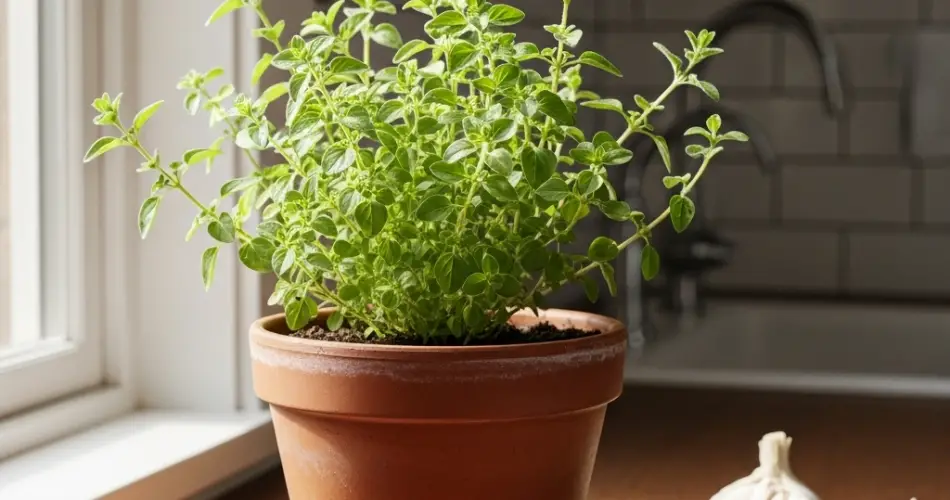
Oregano is a staple herb in kitchens worldwide, known for its robust, earthy flavor that enhances pasta sauces, pizzas, soups, marinades, and roasted vegetables. While many rely on dried oregano from stores, growing fresh oregano indoors provides superior taste and ensures a constant supply, even without a backyard or garden. With minimal space, a sunny windowsill or kitchen counter can become a thriving oregano garden, giving you fresh leaves year-round.
Why Grow Oregano Indoors
Oregano is an ideal herb for indoor cultivation. It is hardy, adapts well to container life, and tolerates variable light and temperature conditions. Unlike some delicate herbs, oregano grows quickly and responds well to pruning and harvesting. Indoor growing not only provides fresh leaves for cooking but also adds a touch of greenery and fragrance to your living space. By growing oregano indoors, you have control over the plant’s care and quality, ensuring maximum flavor in your dishes.
Selecting the Right Oregano Variety
Several oregano varieties thrive indoors, each offering a distinct flavor profile. Mediterranean or Greek oregano is widely used in Italian cooking, known for its strong, earthy taste. Italian oregano is slightly milder and blends well with tomato-based dishes. Mexican oregano has a citrusy note, perfect for spicier recipes. Choose a variety that complements your cooking style, or experiment with multiple types to enjoy a range of flavors in your kitchen.
Light and Placement
Oregano requires bright, indirect light to grow well. A south- or west-facing windowsill is ideal, providing 6–8 hours of sunlight daily. If your kitchen lacks sufficient natural light, use a small LED or fluorescent grow light placed 6–12 inches above the plant. Keep the light on for 12–14 hours each day to encourage healthy growth and prevent legginess. Placing oregano near your cooking area offers convenience while maintaining its need for proper illumination.
Container and Soil Requirements
Growing oregano in containers helps manage its growth and keeps it confined indoors. Choose a pot at least 6–8 inches wide with drainage holes to prevent water accumulation. Terracotta or ceramic pots are excellent choices because they allow for air circulation and moisture control. Use a lightweight, well-draining potting mix enriched with organic matter. Avoid heavy garden soil, which can compact indoors and limit root development. A nutrient-rich, airy medium encourages vigorous growth and flavorful leaves.
Watering Tips
Oregano prefers slightly dry soil and does not tolerate waterlogged roots. Water the plant when the top inch of soil feels dry, ensuring excess water drains from the bottom. Standing water can lead to root rot and yellowing leaves, while too little water can slow growth and make stems woody. Maintaining moderate, consistent moisture is key to healthy oregano indoors.
Feeding and Fertilizing
Container-grown oregano benefits from periodic fertilization. Apply a balanced, water-soluble fertilizer every four to six weeks during active growth. Organic options such as liquid seaweed or compost tea work well to support strong, aromatic leaves. Avoid over-fertilizing, as excessive nitrogen can produce large leaves with reduced flavor intensity. Consistent, moderate feeding maintains the herb’s taste and vigor.
Harvesting Fresh Oregano
The best part of growing oregano indoors is harvesting fresh leaves whenever needed. Pinch or cut stems just above a leaf node to encourage branching and continued growth. Frequent harvesting prevents the plant from becoming too woody and ensures a steady supply of aromatic leaves. Fresh oregano is perfect for sprinkling into sauces, soups, roasted vegetables, marinades, and even herbal teas. Avoid harvesting more than one-third of the plant at a time to allow ongoing growth.
Pruning and Maintenance
Regular pruning keeps oregano compact and productive. Remove leggy stems and any flowers that appear, as flowering can reduce leaf production and slightly alter flavor. Pruning promotes denser foliage and prolongs the plant’s productivity, ensuring fresh leaves are available throughout the year.
Preserving Extra Oregano
If your oregano grows faster than you can use it, preservation is simple. Fresh sprigs can be wrapped in a damp paper towel and stored in the refrigerator for several days. For longer-term storage, freeze leaves in ice cube trays with water or olive oil. Dried oregano is also convenient for cooking when fresh leaves aren’t available, though freezing generally preserves flavor better.
Common Indoor Challenges
Oregano is hardy indoors but may encounter minor issues. Yellowing leaves often indicate overwatering, while leggy growth suggests insufficient light. Nutrient deficiencies can lead to pale foliage, and pests like aphids or spider mites may appear occasionally. Rinsing leaves with water or applying a mild insecticidal soap usually resolves these problems. Proper care and attention keep the plant healthy and productive.
Enjoy Fresh Oregano Year-Round
Growing oregano indoors allows you to enjoy fresh, aromatic leaves all year. With proper light, soil, watering, and pruning, this hardy herb thrives on a windowsill or kitchen counter. Fresh oregano not only enhances your cooking but also adds greenery and fragrance to your indoor space. By cultivating your own indoor oregano garden, you ensure a steady supply of flavorful leaves for sauces, soups, pizzas, and beyond—no garden required.


