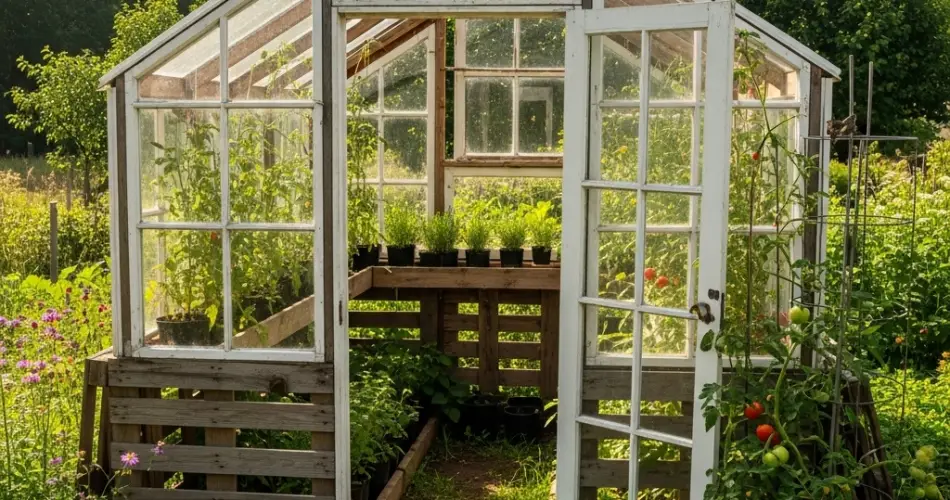
For many gardeners, the changing seasons can bring an abrupt stop to growing fresh produce and enjoying colorful blooms. But with a DIY greenhouse, you can extend your growing season—or even garden year-round. A well-planned and maintained greenhouse creates a controlled environment that protects plants from extreme weather, pests, and frost, allowing you to grow vegetables, herbs, and flowers regardless of the season.
Whether you’re dreaming of winter tomatoes or early spring lettuce, building and using a greenhouse can transform your gardening experience. Here’s how to set up and maintain a productive year-round garden in your very own DIY greenhouse.
Benefits of a DIY Greenhouse
A greenhouse gives you more control over temperature, humidity, and plant exposure. Key advantages include:
-
Extended growing season: Protect your crops from frost in late fall and get a head start on planting in early spring.
-
Year-round harvests: With the right crops and conditions, you can grow fresh food even in the coldest months.
-
Pest and disease management: A greenhouse acts as a barrier to many insects and airborne plant diseases.
-
Increased plant variety: Grow plants that wouldn’t normally survive your local climate.
Building your own greenhouse doesn’t have to be expensive. With simple materials like PVC pipes, wood, or recycled windows, you can construct an effective structure on a budget.
Choosing the Right Greenhouse Structure
There are various types of greenhouses you can build, depending on your space, budget, and climate:
-
Hoop houses: Made with PVC pipes or metal hoops covered in clear plastic. Easy and affordable to build.
-
Cold frames: Small, low structures ideal for hardening off seedlings or growing cool-season crops.
-
Lean-to greenhouses: Attached to the side of your house or garage, they use an existing wall for support and heat.
-
Freestanding greenhouses: Standalone structures made of wood or metal frames with polycarbonate panels or glass.
When designing your greenhouse, consider sun exposure, wind direction, ventilation, and access to water and electricity. Most greenhouses need at least 6 hours of sunlight per day—ideally from a south or southeast-facing position.
Heating and Cooling Your Greenhouse
To garden year-round, temperature regulation is essential. Plants have different needs, but in general, you’ll want to maintain a range of 50–85°F (10–29°C) depending on what you’re growing.
Heating Options:
-
Passive solar heating: Use thermal mass (like black barrels of water or bricks) to absorb and slowly release heat.
-
Electric or propane heaters: Ideal for colder climates, especially in winter.
-
Composting systems: Create heat naturally with an active compost pile inside or near the greenhouse.
Cooling and Ventilation:
-
Install roof vents or louvered windows to allow hot air to escape in summer.
-
Use shade cloth to reduce intense sunlight during peak hours.
-
Add a fan for air circulation to prevent mold, mildew, and overheating.
Proper airflow is vital year-round to keep temperatures stable and humidity in check.
What to Grow in Each Season
One of the best parts of year-round greenhouse gardening is that you can adapt what you grow to the season.
Winter:
-
Cold-hardy greens like spinach, kale, arugula, and Swiss chard
-
Root crops like carrots, radishes, and beets
-
Herbs such as parsley and cilantro
Spring:
-
Start warm-weather crops early: tomatoes, peppers, eggplants
-
Transplant seedlings into your garden once frost danger passes
-
Continue growing lettuce and cool-season crops
Summer:
-
Heat-loving crops: cucumbers, tomatoes, melons, peppers
-
Consider shading and ventilation to protect plants from excess heat
-
Herbs and flowers flourish in full sunlight
Fall:
-
Replant leafy greens and cool-season crops
-
Start late-season harvests and prepare beds for winter crops
-
Bring tender plants indoors or under cover
By rotating crops and adjusting temperature and lighting, you can keep your greenhouse productive year-round.
Maintenance and Tips for Success
To ensure your greenhouse garden thrives throughout the year:
-
Monitor temperature and humidity with a thermometer and hygrometer.
-
Use quality potting mix and compost to keep soil fertile and disease-free.
-
Clean greenhouse surfaces regularly to prevent mold and pests.
-
Water consistently, but avoid overwatering—use drip irrigation or self-watering containers if possible.
-
Rotate crops to reduce disease build-up and nutrient depletion.
Don’t forget to inspect the structure regularly for rips in plastic, broken seals, or worn hinges, especially after storms or high winds.
Final Thoughts
A DIY greenhouse opens the door to a new level of gardening freedom. With a little creativity and effort, you can enjoy homegrown produce and vibrant flowers all year long, regardless of outdoor weather. Whether you build a small hoop house or a fully equipped lean-to, your greenhouse will become a haven of growth and a source of joy season after season.


