Amending your soil is essential for healthy plant growth, especially if you’re dealing with acidic conditions. Two common soil amendments—wood ash and agricultural lime—are often used to raise soil pH and improve nutrient availability. While they can achieve similar goals, they differ in composition, effectiveness, and application. Understanding the differences between wood ash and lime will help you decide which one is better suited for your garden’s needs.
Understanding Soil pH and Why It Matters
Soil pH measures how acidic or alkaline the soil is on a scale from 0 to 14, with 7 being neutral. Most garden plants prefer slightly acidic to neutral soil, typically between 6.0 and 7.0. If the soil is too acidic (low pH), essential nutrients become less available, and plant growth suffers.
Both wood ash and lime work to neutralize acidic soils, but they do so in different ways and with varying nutrient content. The choice between them depends on your soil type, what you’re growing, and how quickly you need results.
What Is Wood Ash?
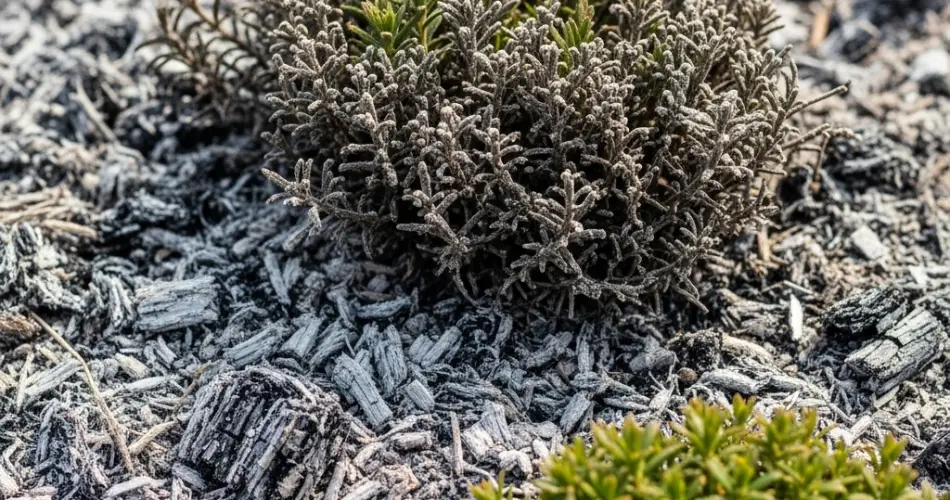
Wood ash is the residue left after burning untreated hardwood or softwood. It is a natural source of potassium, calcium, magnesium, and trace minerals. Wood ash contains calcium carbonate, which gives it its liming effect. It is generally more suitable for lightly acidic soils and offers a quick pH adjustment.
Benefits of Wood Ash:
-
Quick pH correction: Wood ash acts faster than lime, making it ideal for short-term corrections.
-
Potassium boost: It adds potassium (an essential nutrient for flowering and fruiting) to the soil.
-
Calcium and micronutrients: It supplies calcium and trace elements like boron and zinc.
-
Natural pest deterrent: When sprinkled on the soil surface, it can help repel slugs and snails.
However, wood ash has its limitations. It is less consistent in composition compared to lime and can vary depending on the type of wood burned. Overapplication can also lead to nutrient imbalances or overly alkaline soil.
What Is Lime?
Lime, short for agricultural lime, is finely ground limestone composed mainly of calcium carbonate. Another form, dolomitic lime, contains both calcium and magnesium. Lime works more slowly than wood ash but offers more precise and stable long-term pH control.
Benefits of Lime:
-
Reliable and consistent: Its mineral content is uniform, making it easy to calculate the exact amount needed.
-
Long-lasting effect: Lime takes longer to work but maintains a stable soil pH for years.
-
Essential calcium and magnesium: Dolomitic lime adds magnesium, which is essential for photosynthesis and overall plant health.
-
Neutralizes soil acidity: It is particularly effective in correcting strongly acidic soils over time.
Lime doesn’t provide potassium, and its slow action makes it less suitable for quick soil fixes. It’s also not recommended for alkaline soils, as it may raise the pH too much.
When to Use Wood Ash
Wood ash is best used in moderately acidic soils (pH 6.0 or higher) and for plants that thrive in slightly alkaline conditions, such as tomatoes, brassicas, garlic, and fruit trees. It’s especially helpful in providing a potassium boost during flowering and fruiting stages.
Use it sparingly—generally about 1/4 to 1/2 cup per square meter—worked into the topsoil. Avoid applying it directly on young plants, as it can burn tender roots. Wood ash should not be used in soils that are already alkaline or for acid-loving plants like blueberries, azaleas, and rhododendrons.
When to Use Lime
Lime is more appropriate for strongly acidic soils (pH below 6.0) and for plants that require a more stable pH environment. It’s suitable for root crops, legumes, brassicas, and lawns.
Apply lime several months before planting, ideally in the fall or early spring, to give it time to alter the soil pH. A soil test is essential to determine the exact lime requirement, as over-liming can cause micronutrient deficiencies.
Can You Use Both?
Yes, but with caution. Wood ash and lime should not be applied at the same time, as this can lead to excessive soil alkalinity. If your soil test recommends a moderate increase in pH and you need additional potassium, wood ash may be the better choice. If you’re looking for long-term pH stability without the risk of over-alkalization, lime is the safer option.
Apply one amendment at a time and monitor the soil pH regularly. If you’ve already applied wood ash, wait at least a few months before using lime, and vice versa.
Conclusion
Both wood ash and lime can be valuable tools in adjusting soil pH and improving plant health—but they serve different purposes. Wood ash offers a quick fix and adds potassium, while lime provides long-term stability and calcium. Your choice depends on your soil’s current condition and your plants’ nutritional needs.
For best results, test your soil before applying either amendment. This ensures you’re choosing the right product and using the correct amount. With informed use, both wood ash and lime can help you cultivate a healthier, more productive garden.


