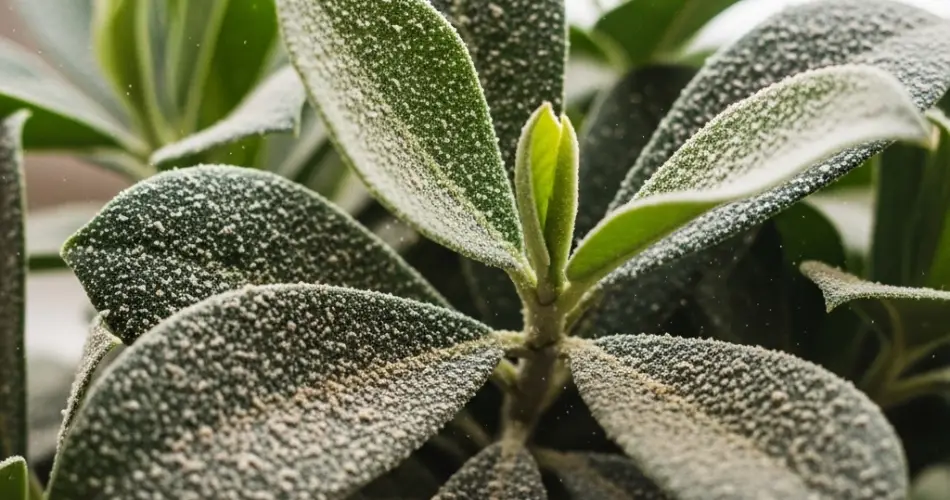
When thinking of natural fertilizers and soil amendments, wood ash might not be the first thing that comes to mind. However, this seemingly simple byproduct of fireplaces and wood stoves can become an incredible treasure for your plants when used correctly.
Rich in minerals, wood ash has been used for generations to enrich soil, repel pests, and improve plant health. Whether you have a backyard garden or an urban orchard on your balcony, here’s how to make the most of this underrated resource.
What Is Wood Ash?
Wood ash is the powdery residue left after burning wood in a fireplace, stove, or fire pit. When derived from untreated, clean wood, ash is free from harmful chemicals and full of beneficial minerals, primarily calcium carbonate, potassium, phosphorus, and magnesium.
In essence, wood ash acts like a mild liming agent, helping to reduce soil acidity while enriching it with nutrients that support plant growth.
Nutritional Composition of Wood Ash
-
Potassium (K): Essential for flowering and fruiting. Ash is especially high in this element, which helps strengthen plant cell walls and improve overall resilience.
-
Calcium (Ca): Contributes to root development and corrects soil acidity.
-
Phosphorus (P): Aids in seed germination and root strength.
-
Magnesium (Mg): Vital for photosynthesis and overall plant health.
-
Trace elements: Such as zinc, copper, and manganese, in small but helpful amounts.
Key Benefits of Wood Ash in the Garden
1. Soil pH Regulation
Wood ash is alkaline and can raise the pH of acidic soils, making them more suitable for a wider range of plants. If your soil is overly acidic (below pH 6), applying wood ash can help balance it and improve nutrient availability.
Tip: Avoid using wood ash on alkaline soils or acid-loving plants like blueberries, azaleas, and camellias.
2. Fertilizer Boost
Ash can be sprinkled directly into the garden or compost heap. It serves as a slow-release fertilizer, particularly high in potassium, which is excellent for:
-
Tomatoes
-
Peppers
-
Potatoes
-
Flowering plants like roses and geraniums
Just a small handful around the base of each plant, followed by gentle watering, can go a long way.
3. Pest Control
Ash can act as a natural insect repellent, especially against soft-bodied pests like slugs and snails. Create a light ash barrier around vulnerable plants to discourage these pests.
Note: Ash must be dry to remain effective as a pest deterrent.
4. Odor Control in Compost
When added to compost, wood ash helps neutralize odors and reduce acidity, creating a more balanced environment for decomposition. Sprinkle thin layers between compost additions for best results.
How to Use Wood Ash Safely and Effectively
While ash is beneficial, moderation is key. Overuse can lead to excessive alkalinity, which may harm some plants.
Guidelines:
-
Test your soil pH before applying large quantities.
-
Use only wood ash from untreated wood—never burn painted, varnished, or chemically treated lumber.
-
Avoid mixing ash with nitrogen fertilizers like urea or ammonium sulfate, as it may reduce their effectiveness.
-
Store ash in a dry, sealed container, away from moisture and wind.
Application Methods
-
Direct Application
-
Sprinkle 50–70 grams (a small handful) of wood ash per square meter onto soil every few months.
-
Gently rake it in and water to help the nutrients integrate into the ground.
-
-
Ash Tea (Liquid Fertilizer)
-
Mix 1 cup of wood ash into 5 liters of water.
-
Let it sit for 2–3 days, stirring occasionally.
-
Use this nutrient-rich “tea” to water plants, especially those that are flowering or fruiting.
-
-
Compost Additive
-
Add a thin layer of ash for every 10–15 cm of compost material.
-
Mix well to help balance pH and add nutrients to the compost.
-
Which Plants Benefit Most?
Wood ash is especially effective for:
-
Tomatoes
-
Garlic and onions
-
Spinach and chard
-
Fruit trees (like apple, pear, and fig)
-
Flowering shrubs (such as lilacs and hydrangeas, if soil is acidic)
Plants to Avoid Ash With
Some plants prefer more acidic soils or are sensitive to alkaline conditions. Avoid using ash around:
-
Blueberries
-
Azaleas
-
Rhododendrons
-
Strawberries
-
Potatoes (in large quantities, ash may increase the risk of scab)
Conclusion
Wood ash is far more than just waste—it’s a valuable, cost-free amendment for gardeners looking to enrich their soil naturally. With proper handling and measured application, it can promote flowering, strengthen roots, deter pests, and balance soil pH.
If you’re using firewood this season, don’t throw away the ash. With a bit of care, it could become one of your most effective allies in the garden.


