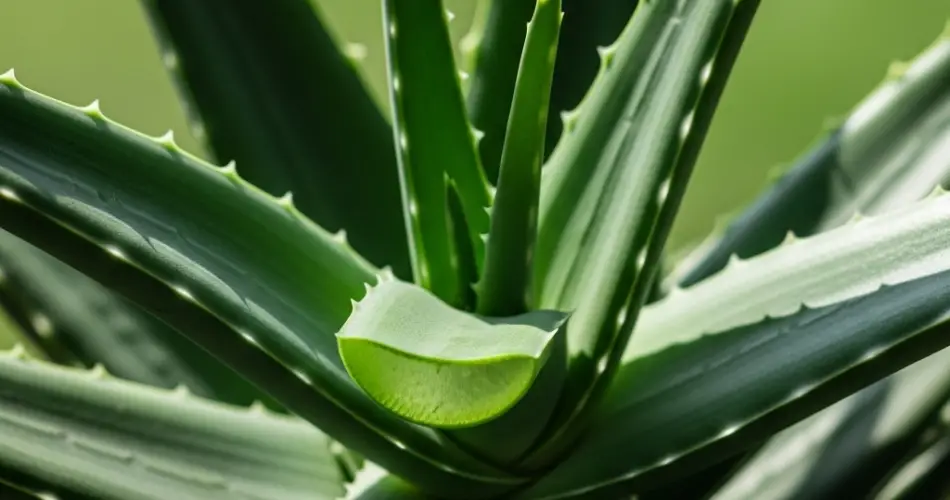
Aloe vera is prized for its medicinal gel, low maintenance needs, and tolerance to neglect. But even this hardy succulent can show signs of stress—especially when its leaves begin turning brown. If your aloe vera is looking unhealthy, don’t worry. Browning leaves are a common issue and often reversible with a few simple care adjustments.
This guide explains the most common reasons aloe vera turns brown and offers practical solutions to bring your plant back to health.
1. Overwatering
The Problem:
Overwatering is the number one cause of brown aloe leaves. Aloe vera is a succulent, which means it stores water in its thick leaves. When given too much water, the roots can become waterlogged and start to rot. As a result, leaves may turn brown, soft, and mushy from the base upward.
The Fix:
-
Let the soil dry out completely between waterings.
-
Stick your finger into the soil; water only when the top 1–2 inches are dry.
-
Use a well-draining potting mix, preferably one designed for succulents and cacti.
-
Ensure your pot has drainage holes to prevent standing water.
If root rot is severe, remove the plant from its pot, trim off the affected roots, and replant it in fresh, dry soil.
2. Underwatering
The Problem:
While aloe can survive drought, too little water over a long period can lead to browning and shriveling. The leaves may dry out and become crispy at the tips or edges.
The Fix:
-
Water thoroughly when the soil is dry.
-
Water until it runs out of the drainage holes, but don’t let the pot sit in water.
-
During the growing season (spring and summer), water every 2–3 weeks. In winter, reduce frequency to once a month.
3. Poor Drainage
The Problem:
Even if you’re watering properly, aloe can still suffer if the soil retains too much moisture. Clay-based or compacted soils can lead to root problems and leaf discoloration.
The Fix:
-
Use a cactus or succulent mix that includes sand, perlite, or pumice for fast drainage.
-
If planting in the ground, choose a raised bed or amend the soil with sand and gravel to improve drainage.
4. Too Much Direct Sunlight
The Problem:
While aloe vera loves sunlight, too much intense, direct sun—especially in hot climates—can cause sunburn. Leaves may turn reddish-brown or dark brown and look scorched.
The Fix:
-
Provide bright, indirect sunlight or filtered light during the hottest part of the day.
-
If kept outdoors, gradually introduce your aloe to full sun to help it acclimate.
-
Indoors, place the plant near a south- or west-facing window but consider sheer curtains for diffused light.
5. Cold Damage
The Problem:
Aloe vera is a warm-weather plant and doesn’t tolerate frost. Exposure to cold temperatures can cause brown, mushy patches on the leaves.
The Fix:
-
Keep aloe indoors if temperatures drop below 50°F (10°C).
-
Avoid placing your aloe near drafty windows or doors in winter.
-
If frost damage occurs, trim off the affected leaves with sterilized scissors to prevent rot.
6. Nutrient Deficiency
The Problem:
While aloe doesn’t need much feeding, a lack of essential nutrients—especially potassium or magnesium—can cause browning along the edges.
The Fix:
-
Feed aloe with a diluted succulent fertilizer once or twice during the growing season.
-
Avoid overfertilizing, as excess salts can build up in the soil and harm the plant.
7. Pest Infestation
The Problem:
Pests such as mealybugs and aphids can suck the juices from aloe leaves, causing spots, discoloration, and browning.
The Fix:
-
Inspect your plant regularly, especially where the leaves join the stem.
-
Wipe pests off with a cotton swab dipped in rubbing alcohol.
-
For larger infestations, use insecticidal soap or neem oil spray.
8. Container Issues
The Problem:
Aloe vera may become rootbound or outgrow its pot, which can cause stress and leaf discoloration.
The Fix:
-
Repot your aloe every 1–2 years, or when roots start growing out of the drainage holes.
-
Choose a pot that is slightly larger than the current one and has good drainage.
Final Thoughts
Aloe vera is a resilient and forgiving plant, but brown leaves are a clear sign that something needs attention. Whether it’s a matter of too much water, too little sun, or a nutrient issue, the good news is that most problems are easy to fix once identified.
By observing your plant’s environment and adjusting care practices, your aloe can bounce back with healthy, green growth. With the right balance of water, light, and soil, your aloe vera will thrive and continue to serve as a beautiful, healing addition to your home or garden.


