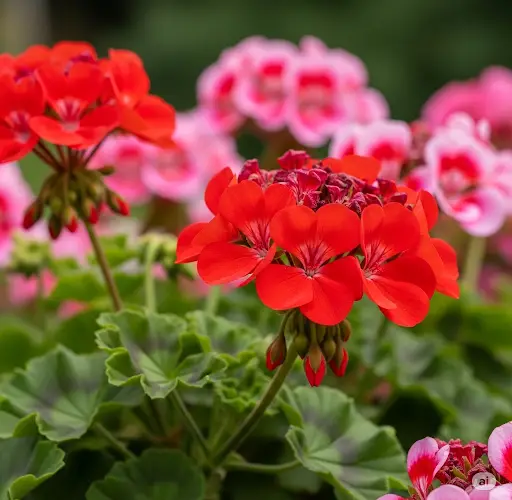
Many home gardeners grow geraniums for their bright, cheerful blooms and low maintenance. But as fall approaches, one task becomes especially important for ensuring your plants stay vibrant and healthy into the next growing season: autumn pruning. If you’ve been skipping this step or doing it lightly, you might be missing out on a stronger, more productive plant.
Proper pruning in autumn not only improves the appearance and structure of the mother plant but also gives you a generous supply of healthy cuttings to propagate. It’s an easy task that can completely transform the performance of your geraniums—and once you try it, you’ll wonder why you didn’t start doing it sooner.
Why Autumn Is the Ideal Time to Prune Geraniums
Geraniums, especially the popular zonal and ivy varieties, slow their growth as the temperature drops. Autumn pruning helps the plant prepare for winter rest by removing weak, leggy, or spent growth. This encourages energy to return to the root system, keeping the base strong and ready for spring revival.
Other benefits of fall pruning include:
-
Prevention of disease—removing old foliage reduces the risk of fungal and bacterial infections during damp, cool months.
-
Improved air circulation—less crowded stems allow better airflow, which is especially helpful for indoor overwintering.
-
A neater appearance—pruned plants take up less space and look tidier indoors or in sheltered outdoor areas.
-
Easy propagation—healthy cuttings taken during pruning can be rooted to create new plants for the next season.
How to Prune Geraniums in Autumn
Autumn pruning is simple and only takes a few minutes per plant. You’ll need sharp, clean pruning shears or scissors, a tray for collecting cuttings, and optionally, a rooting hormone if you plan to propagate.
Step 1: Inspect the Plant
Look for weak, leggy, or discolored stems. These are the first to go. Also check for spent flowers and dry leaves.
Step 2: Cut Back the Stems
Trim each main stem by about one-third to half its length. Make the cut just above a leaf node (the bump where leaves or side shoots grow). This encourages branching in spring.
Step 3: Remove Dead or Damaged Material
Snip off any dead or broken stems and completely remove yellowing leaves or flowers. If the plant looks too dense, thin it out slightly for better shape and airflow.
Step 4: Collect Cuttings
Many of the stems you trim can be used for propagation. Choose non-flowering stems with at least two leaf nodes. Trim them to about 8–10 cm (3–4 inches) in length and remove lower leaves.
Propagating from Autumn Cuttings
Propagating geraniums from cuttings is one of the easiest ways to multiply your plants.
Here’s how to root your geranium cuttings:
-
Dip the cut end in rooting hormone (optional but helps speed up root development).
-
Place in light, well-draining soil, such as a mix of peat and perlite or sand.
-
Keep the cuttings moist, but not soggy.
-
Provide bright, indirect light and avoid direct sun until roots form.
In about 2–3 weeks, roots should begin to form. New leaves will follow shortly after. By early spring, your rooted cuttings will be ready for transplanting into larger pots or garden beds.
How to Care for the Mother Plant After Pruning
After pruning, geraniums benefit from a brief recovery period:
-
Water lightly to avoid waterlogging as the plant adjusts.
-
Place in a cool, bright area, ideally indoors or in a sheltered outdoor spot that stays above freezing.
-
Hold off on feeding until late winter or early spring when new growth resumes.
-
Avoid repotting during dormancy. Let the plant rest and conserve energy.
What to Expect in Spring
Geraniums pruned in autumn respond quickly when the growing season begins. Expect these results:
-
Bushier growth thanks to more branching at cut sites
-
Stronger stems that support more blooms
-
More vigorous flowering
-
A tidy, manageable shape for containers and garden beds
Additionally, your rooted cuttings will be mature enough to join the garden or be shared with fellow gardeners.
Final Thoughts
Autumn pruning is a small step with big rewards. Not only will your mature geranium thrive with renewed strength, but you’ll also gain a handful—or more—of new plants to grow or gift. Whether you overwinter your geraniums indoors or leave them in a mild climate outdoors, trimming back in fall ensures a healthier, more productive season ahead.
If you haven’t tried this method before, now is the perfect time to start. A few strategic cuts can make the difference between a scraggly plant and a flourishing display of color come spring. Your future self—and your garden—will thank you.


